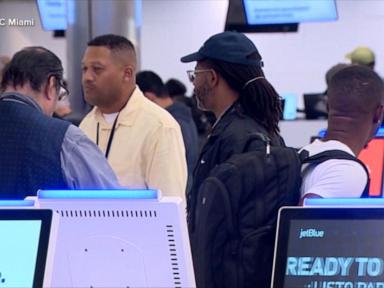
When an air traffic control communications failure brought departures across the United States to a dead halt on November 13, 2026, terminal floors turned into makeshift campgrounds within an hour. Millions of stranded flyers immediately pulled up policy documents or rushed to buy coverage on their phones, assuming a policy would rescue their wallets. Most of them made expensive mistakes.
Travel insurance is worth buying for an upcoming trip if you want protection against hotel bills, meals, and missed connections during a future FAA ground stop, provided your policy includes broad common carrier delay coverage. However, buying a policy after a ground stop is already underway won't cover that specific disruption, and basic policies won't automatically refund your airfare—because federal law already forces airlines to do that anyway.
Understanding the gap between what the U.S. Department of Transportation (DOT) guarantees and what private insurers actually pay out is the difference between getting a $600 check and eating the cost of an airport hotel.
Why Your Airline Owes You Cash Before You Ever File a Claim
People reach for travel insurance first because they assume an FAA outage lets airlines off the hook. That's half true.
Because an FAA-mandated ground stop stems from federal air traffic control rather than an airline's own mechanical or staffing failure, carriers classify it as an "uncontrollable" event. Under federal rules, airlines don't have to pay for your hotel room, dinner, or Uber when the government grounds planes.
Your ticket price is another story. Under U.S. Department of Transportation automatic refund rules, airlines must give you a full cash refund—even on nonrefundable tickets—if your flight is canceled or significantly delayed and you choose not to travel. A significant delay under DOT rules means 3 hours or more for domestic flights and 6 hours or more for international flights.
Here's where travelers accidentally forfeit their money:
- Never cancel your own reservation first. If the FAA orders a ground stop and you panic-cancel your flight in the airline app before the carrier officially cancels or delays it past the 3-hour mark, you're voluntarily canceling. You'll get a flight credit instead of cash, and your travel insurance won't touch it.
- Watch out for automatic rebooking traps. If you accept a voucher, a travel credit, or a seat on a replacement flight two days later, you lose your federal right to a cash refund.
- Don't double-dip. Travel insurers require proof of what the airline offered you. If the airline refunds your airfare, your insurer won't pay you a second time for the exact same ticket.
What Travel Insurance Actually Covers During a Ground Stop
So if the DOT already protects your airfare, why bother paying 4% to 8% of your trip cost for a travel insurance policy? Because airfare is rarely the most expensive part of getting stranded.
When the November 13 communications outage lasted more than four hours, the ripple effect stranded passengers overnight across major hubs. Airlines refused hotel vouchers because the FAA caused the bottleneck. That's where comprehensive travel insurance steps in—if you bought the right fine print.
Trip Delay Coverage (Your Real Lifesaver)
Trip delay benefits reimburse reasonable out-of-pocket expenses—hotels, meals, local ground transportation, and basic toiletries—while you wait for a rescheduled flight.
Two contract details decide whether your claim gets approved or denied:
- The "Common Carrier Delay" wording. Squaremouth, a major travel insurance comparison platform, notes that many comprehensive insurers classify FAA system failures and air traffic control outages under "common carrier delays". Some budget policies, however, restrict delay coverage strictly to mechanical breakdowns or severe weather. If your policy requires the airline itself to be at fault, an FAA ground stop falls through the cracks.
- The waiting period clock. Every policy has a minimum delay threshold—usually 3, 6, or 12 hours. A four-hour ground stop alone won't trigger a 6-hour policy. Yet if that four-hour stop causes your crew to time out and pushes your departure to the next morning, your total delay easily clears a 12-hour threshold.
Missed Connection Coverage
If a domestic ground stop causes you to miss an international connection or a cruise departure, Missed Connection coverage pays for alternate transportation to catch up to your itinerary, plus unused prepaid nights. Watch the fine print here too. Some insurers bundle this under Trip Delay (Allianz does this), while others list it separately and enforce a strict minimum connection window—often requiring that your original itinerary left at least 2 to 3 hours between flights.
Trip Cancellation (Where Most Policies Fail)
Don't expect Trip Cancellation insurance to reimburse your entire vacation just because an FAA ground stop ruined day one. Trip cancellation only pays out for specific, named "covered reasons". According to Squaremouth's analysis of ground stop claims, only a tiny handful of standard plans—such as Travelex Ultimate and Aegis GoReady Choice—explicitly list FAA-mandated shutdowns or widespread common carrier cessation as a valid reason to cancel an entire trip outright, and even those require extended delays of 6 to 12 hours.
If you want the freedom to walk away from a trip simply because air traffic control is having a meltdown, you need a Cancel For Any Reason (CFAR) upgrade. CFAR adds roughly 40% to 50% to your premium, must be purchased within 14 to 21 days of your initial trip deposit, and typically reimburses 50% to 75% of your nonrefundable costs.
The "Known Event" Trap That Catches Last-Minute Buyers
Every single time headlines flash about an FAA ground stop or an airline tech outage, search traffic for "buy travel insurance" spikes. People sitting at Gate B14 try to purchase a policy on their laptop while staring at a red "Delayed" board.
Save your money. Insurance only covers unforeseen events.
The moment the FAA issues a ground stop or news outlets report an air traffic control communications failure, insurers stamp that incident with a "known event" timestamp. Any policy bought after that exact minute excludes every delay, cancellation, or missed connection tied to that ground stop. Buying coverage mid-crisis will only protect you against unrelated disasters later in your trip, like breaking your leg on a ski slope three days later.
Credit Card Travel Protections vs. Standalone Policies
Before paying for a standalone policy, check the metal card in your wallet. Premium travel credit cards—like the Chase Sapphire Reserve, Chase Sapphire Preferred, or The Platinum Card from American Express—include built-in Trip Delay Reimbursement when you pay for your flight with that card.
There's a massive catch during an FAA outage, though.
Credit card benefits are notoriously rigid about covered hazards. Many card benefit guides explicitly list inclement weather, equipment failure, labor strikes, and hijacking as the only triggers for trip delay coverage. Notice what's missing from that list? Air traffic control failures and government-mandated ground stops. Unless the airline codes your delay as a carrier equipment failure or weather cascade rather than an ATC directive, a credit card claims administrator can legally reject your hotel receipt. Standalone comprehensive policies from specialized travel insurers offer much broader "common carrier delay" definitions than credit card perks.
How to Bulletproof Your Next Trip Against FAA Outages
You can't control air traffic control infrastructure, and you can't predict when another communications glitch will freeze U.S. airspace. You can control how much it costs you when it happens.
- Buy coverage the day you book your flights. Locking in a policy immediately after paying your deposit prevents any future ground stop, storm, or airline strike from being flagged as a "known event".
- Filter for a 3-hour or 6-hour delay trigger. Skip policies that force you to wait 12 hours before benefits kick in. A 3-hour or 6-hour threshold covers you during the exact kind of half-day air traffic control paralysis we just saw.
- Verify "Common Carrier Delay" in the certificate of insurance. Use your browser's search function (
Ctrl+ForCmd+F) on the sample policy PDF before buying. Make sure delay coverage isn't restricted solely to weather or airline mechanical issues. - Screenshot the airline's delay reason. When a ground stop hits, insurers demand documentation showing why the flight stopped and what the airline offered you. Save screenshots of the airline app, text alerts, and gate departure boards alongside itemized receipts for every meal and hotel stay.
- Call the 24/7 assistance line before booking a $400 hotel. Most policies cap daily trip delay payouts at $150 to $250 per person. Calling the insurer's emergency assistance desk before swiping your card confirms your coverage limit and ensures you won't get stuck paying the difference out of pocket.