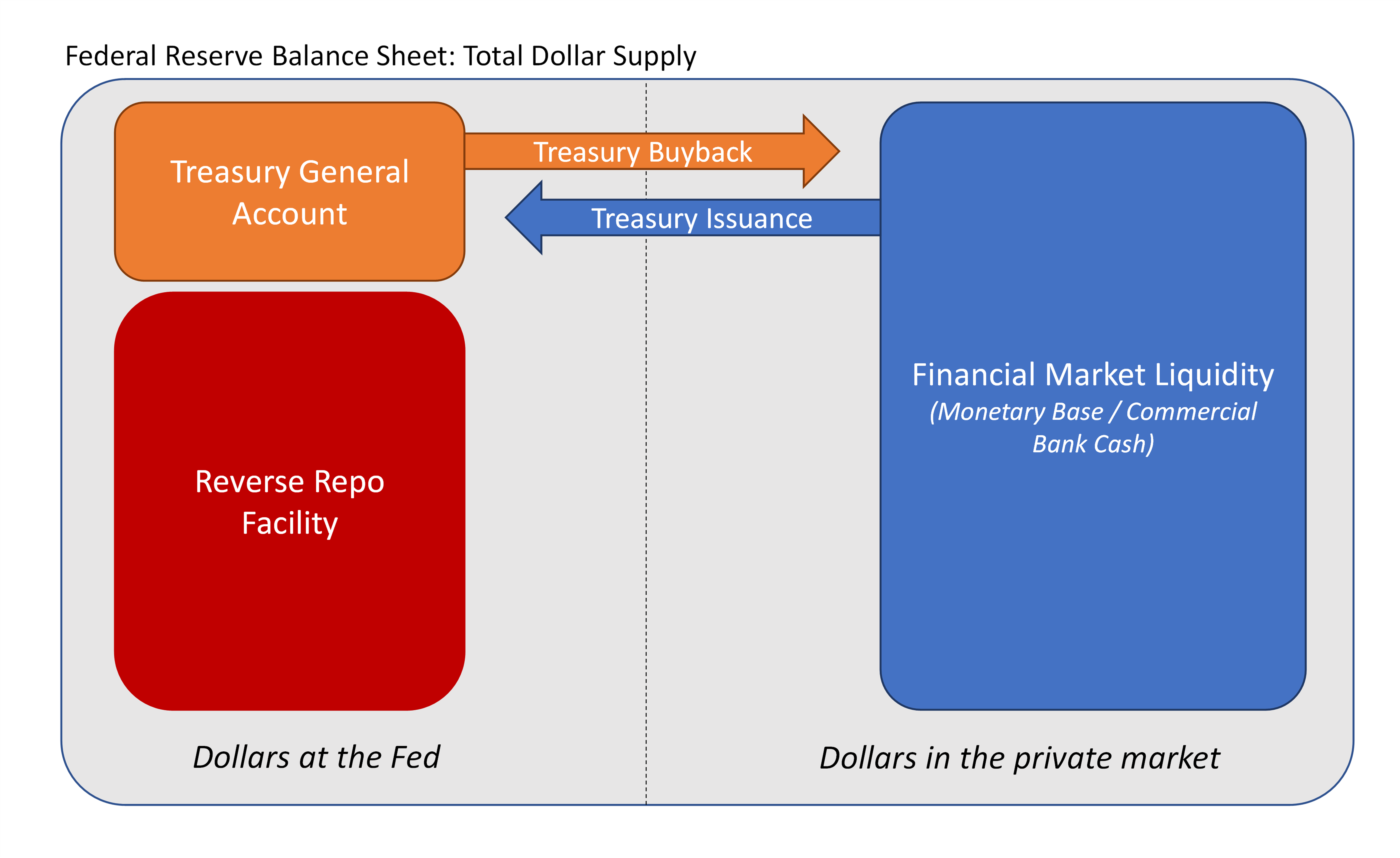
The recent attempt by Treasury Secretary Scott Bessent to stabilize long-term interest rates through an accelerated bond buyback program has failed to address the fundamental volatility gripping the American economy. While the initial announcement triggered a brief rally in long-dated Treasuries, the market swiftly erased those gains as the reality of fiscal math set in. Investors are waking up to a stark truth: minor adjustments in liquidity operations cannot offset the massive, structural weight of federal debt issuance.
The buyback scheme, which doubles operations to at least $4 billion per cycle, is essentially a band-aid on a pressurized arterial wound. In a thirty-two trillion dollar market, a four-billion-dollar intervention is a drop in the ocean. It serves as a signaling device, not a mechanism of control. By attempting to manipulate the yield curve to suit political timelines ahead of the midterms, the administration has inadvertently broadcast its own anxiety. Wall Street traders do not like anxiety. They trade on the absence of it.
The Fiscal Premium Reality
Investors are currently demanding a higher term premium—the extra compensation required for holding debt over a long duration. This is not happening in a vacuum. It is the direct consequence of persistent deficit spending, soaring debt issuance from corporations involved in artificial intelligence infrastructure, and an inflationary climate exacerbated by geopolitical friction in the Persian Gulf.
Consider a hypothetical scenario where an individual tries to cool a boiling pot of water by adding a single ice cube every hour. The temperature of the water will continue to climb because the heat source beneath the pot—in this case, federal deficits—remains unchecked. The buyback operations are those ice cubes. They create a momentary ripple, a fleeting dip in the yield, but they fail to address the underlying heat. When the market perceives that the Treasury is more concerned with optics than with structural solvency, the term premium demands only increase.
Political Theater versus Price Stability
Joseph Brusuelas, chief economist at RSM US LLP, recently characterized this strategy as an act of political theater rather than fiscal management. The timing of the buyback, explicitly running through November, invites skepticism about the motivations behind the curtain. When fiscal policy is subordinated to the immediate needs of an electoral cycle, the boundary between the Treasury and market forces becomes dangerously porous.
This is what analysts describe as fiscal dominance. When the government effectively pressures the financial system to prioritize its borrowing needs over the mandate of price stability, the traditional safeguards of the economy begin to corrode. If the Federal Reserve or the Treasury becomes too entangled in propping up bond prices, they lose the ability to act as independent arbiters of value. The market smells this. That is why, even after Bessent’s televised efforts to calm the waters, yields on the 30-year bond climbed back toward 5.25 percent.
The AI Debt Boom and Future Financing
Much of the recent pressure on Treasury yields stems from the massive capital expenditure requirements of the technology sector. As companies pour billions into artificial intelligence, they are competing with the federal government for finite pools of capital. This crowd-out effect is real, and it is gaining momentum.
We are seeing a convergence of three distinct, compounding forces. First, there is the raw, unyielding volume of government debt required to service current budget deficits. Second, there is the insatiable hunger for private capital within the AI ecosystem. Third, there is the resurgence of inflation risks tied to energy prices and potential supply chain disruptions. These are not transitory issues. They are structural pillars of the current economic environment.
Attempting to fight these forces with liquidity operations is akin to shouting at a hurricane. It might feel empowering for a moment, but the wind does not stop blowing. The market is increasingly discounting the efficacy of the Treasury’s toolkit. When a policy intervention is viewed as a "put"—a guaranteed backstop—it creates a dangerous moral hazard. Traders start to bet on the next intervention rather than the health of the underlying assets.
The Path Forward
The bond market is currently testing the limits of this new administrative strategy. If the Treasury persists in using buybacks to mask the effects of fiscal profligacy, it risks a loss of credibility that will be difficult to regain. A central bank or treasury that loses the trust of the bond market finds itself with few options when the next genuine crisis hits.
The reality of 5.2 percent yields on long-term paper is a signal that the era of cheap money is firmly in the rearview mirror. It is an invitation for the government to confront its deficit, not just cycle it through the buyback window. Without a credible plan to address the long-term trajectory of federal spending, these market fluctuations will only become more erratic.
The roof is already creaking. The Treasury has signaled exactly where the pressure threshold lies, and the market is now content to trade around that limit. The attempt to manufacture stability has instead created a roadmap for volatility. Any expectation that this, or any similar program, will provide a permanent floor for Treasury yields ignores the fundamental shift in investor behavior. Capital is becoming more selective, more demanding, and significantly less forgiving of administrative maneuvering. The market is not just watching the yields; it is watching the intent. And for now, it is unimpressed.