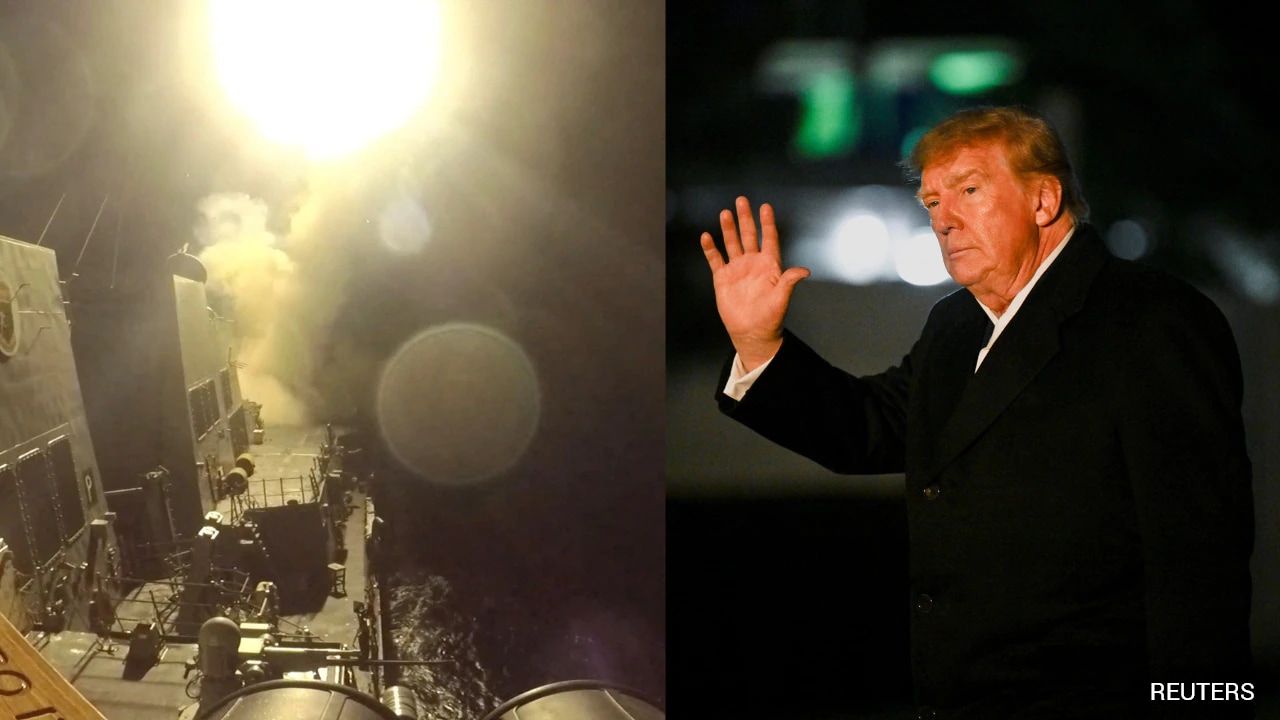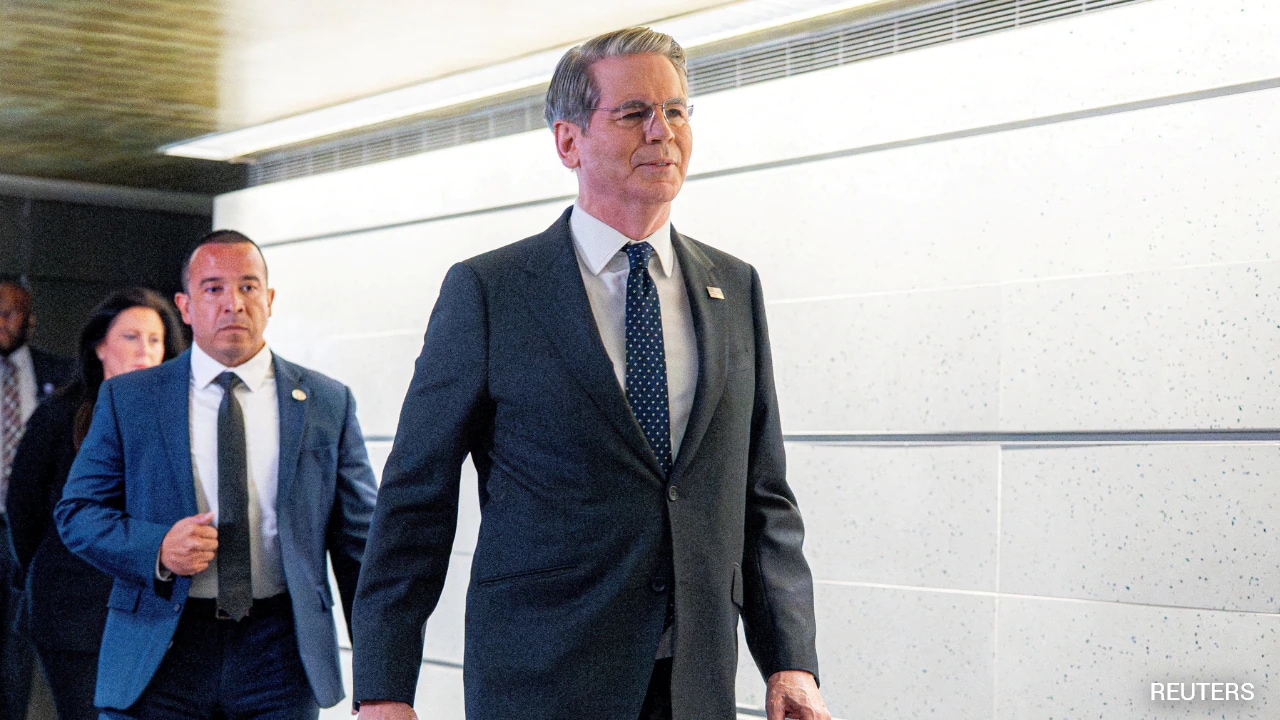
U.S. Treasury Secretary Scott Bessent relocated from his Washington, D.C., residence to a secure military installation near the capital in November 2026 after intelligence agencies detected credible Iranian threats against his life. The move places the nation's top economic official behind perimeter fencing and military guard details. It marks a sharp escalation in how Tehran retaliates against American financial warfare. Bessent is the primary architect of Operation Economic Outcast, an aggressive sanctions and blockade campaign launched in August 2026 that has choked off Iranian crude exports and grounded its commercial aviation networks.
Standard news reports treat this relocation as a routine security update. They miss the deeper structural shift happening inside Washington. For decades, the Treasury Department operated out of a neoclassical building next to the White House, insulated from kinetic conflict by oceans and intelligence networks. Its weapons were spreadsheets, SWIFT cutoffs, and secondary sanctions. Now, the bureaucrats wielding those financial instruments face the same physical targeting once reserved for theater commanders and intelligence chiefs.
The Mechanics of Operation Economic Outcast
To understand why Tehran put a target on a former hedge fund manager, look at the numbers coming out of the Persian Gulf. Prior to August 2026, Iran relied on a shadow fleet of aging tankers, ship-to-ship transfers, and front companies to move crude oil to foreign buyers despite longstanding sanctions. When Bessent took the helm at Treasury, he shifted the strategy from containment to total financial suffocation.
Under Operation Economic Outcast, Treasury combined traditional blacklisting with active maritime enforcement and aggressive secondary sanctions. The goal was blunt. Cut off every dollar flowing into the Islamic Revolutionary Guard Corps (IRGC) until Tehran halted attacks on shipping in the Strait of Hormuz and ended broader regional hostilities.
The results hit Tehran's balance sheet fast. By late November 2026, Bessent reported that Iran had exhausted its floating oil storage and failed to load a single tanker since August. Treasury simultaneously targeted Iran's aviation sector, warning foreign airports, refueling contractors, and parts suppliers that facilitating Iranian flights would sever their access to the U.S. dollar financial system.
When you cut off a regime's primary revenue stream, the response is rarely diplomatic. Bessent acknowledged the blowback directly during a November interview with CNBC, noting that death threats from Iran's leadership proved the economic pressure was working. He compared the Revolutionary Guards to a cornered animal. That assessment explains why federal protective details decided a standard residential security perimeter in Northwest Washington was no longer adequate.
The New Reality of Cabinet Protection
Moving a sitting Treasury Secretary onto a military base is a logistical headache. It disrupts daily schedules, complicates impromptu meetings, and turns routine commutes into armored motorcade operations. Yet Bessent is not alone. He joins a growing list of current and former Trump administration officials who have shifted to military installations to evade alleged Iranian assassination plots.
For years, the Secret Service and the Diplomatic Security Service managed threats against high-profile officials using hardened residential perimeters, counter-surveillance teams, and armored vehicles. That model works well against lone actors or disorganized domestic groups. It strains when facing a state intelligence apparatus capable of hiring local criminal syndicates, deploying surveillance drones, or executing multi-cell plots on foreign soil.
Consider the operational math of protecting a private home in Washington, D.C. A residence sits on public streets. Delivery trucks pass by every hour. Neighbors host guests. Utility workers access nearby lines. Securing that environment against a patient, state-backed surveillance team requires dozens of agents working around the clock, creating massive manpower drains and persistent blind spots.
A military installation eliminates those variables overnight:
- Controlled Access: Every vehicle, visitor, and contractor undergoes background vetting and physical inspection miles away from residential quarters.
- Airspace Monitoring: Bases maintain active radar and counter-drone defenses, addressing a threat vector that has already forced British and American forces to shelter aircraft at facilities like RAF Fairford.
- Integrated Response: Quick-reaction forces, medical teams, and secure communications infrastructure sit minutes away rather than across town in gridlocked traffic.
The trade-off is visibility. Placing top civilian officials behind military gates sends an unmistakable signal that the domestic homeland is no longer an untouched sanctuary during overseas conflicts.
Tehran's Asymmetric Playbook
Iranian officials have consistently denied plotting attacks against American officials on U.S. soil. Foreign Ministry representatives routinely dismiss Western intelligence reports as fabrications designed to justify further sanctions or military strikes. However, actions across multiple jurisdictions tell a different story.
In mid-November 2026, the U.S. Department of Justice announced terrorism-related indictments against three Iranian nationals. Across the Atlantic, British authorities arrested suspects under the Explosives Act near RAF Fairford, prompting the Royal Air Force to move warplanes into hardened shelters at night and explore anti-drone netting. Meanwhile, IRGC commanders in Tehran have publicly warned that their missile and drone capabilities are expanding daily and threatened broader retaliation if Washington and its allies press their advantage.
From Tehran's perspective, targeting the individuals behind economic sanctions is a logical extension of asymmetric warfare. Iran cannot match the U.S. Navy in open water, nor can its financial institutions withstand direct confrontation with the Federal Reserve and the Treasury Department. If the regime cannot break a naval blockade or bypass dollar clearing restrictions, it looks for vulnerabilities where American power feels exposed.
By threatening the personal safety of the policymakers designing the sanctions, Tehran aims to raise the personal cost of public service. The objective is deterrence through intimidation. Even if an assassination plot never reaches execution, forcing senior cabinet members into bunker-like living arrangements disrupts governance, consumes intelligence resources, and keeps the threat front and center in the news cycle.
The Limits of Economic Warfare
Bessent's relocation also highlights a strategic debate simmering inside Washington and allied capitals. Sanctions and naval blockades are often pitched as clean, bloodless alternatives to full-scale military invasion. Secretary of State Marco Rubio has noted that direct military escalation might be unnecessary if financial pressure and maritime interdiction achieve their goals.
That theory looks compelling on paper. In practice, total economic isolation creates severe secondary effects that complicate diplomacy and increase the risk of sudden, uncontrolled violence.
First, economic warfare erodes the distinction between civilian governance and military combat. When the Treasury Department functions as a primary weapons system, its leadership becomes a prime military target in the eyes of the adversary. Some U.S. military commanders have already cautioned that escalating leadership-targeting rhetoric or tightening the noose too far places American personnel and officials in heightened danger worldwide.
Second, cornered regimes rarely surrender quietly. With zero oil tankers loaded since August and energy prices fluctuating—Brent crude hovering near $92 a barrel and West Texas Intermediate around $86—global markets remain jittery. Tehran still holds leverage over the Strait of Hormuz, where attacks on unauthorized commercial shipping have spiked. If Iran decides it has nothing left to lose financially, its commanders may calculate that striking Gulf energy infrastructure or attempting high-profile retaliations abroad is their only remaining card.
Third, maintaining a watertight blockade requires constant enforcement. As long as Iranian tankers remain sidelined, the strategy appears successful. The moment Tehran tests the perimeter by sending escorted vessels into contested waters, Washington faces a binary choice. Let the ships pass and watch the sanctions regime unravel, or open fire and trigger a wider regional war.
What Happens When Finance Becomes Frontline Combat
For decades, Wall Street executives who transitioned into the Treasury Department worried about bond auctions, currency valuations, and congressional debt ceiling fights. Security briefings were brief formalities. That era is over.
Scott Bessent's move to a military base codifies a permanent change in how modern economic statecraft operates. Financial sanctions are no longer quiet diplomatic nudges. They are high-impact weapons capable of paralyzing an entire nation's export economy in a matter of months. Consequently, the officials who sign those executive orders and enforce those blacklists must now operate under wartime security protocols.
Until the blockade in the Persian Gulf resolves or a diplomatic off-ramp emerges, the U.S. Treasury Secretary will continue running global financial policy from behind military checkpoints. Anyone stepping into senior economic national security roles in future administrations will have to factor armed guards and fortified housing into the job description.
For additional context on the security relocation, see CBS News coverage of Bessent's move to a military base, which outlines the initial reporting around the threats from Iran.