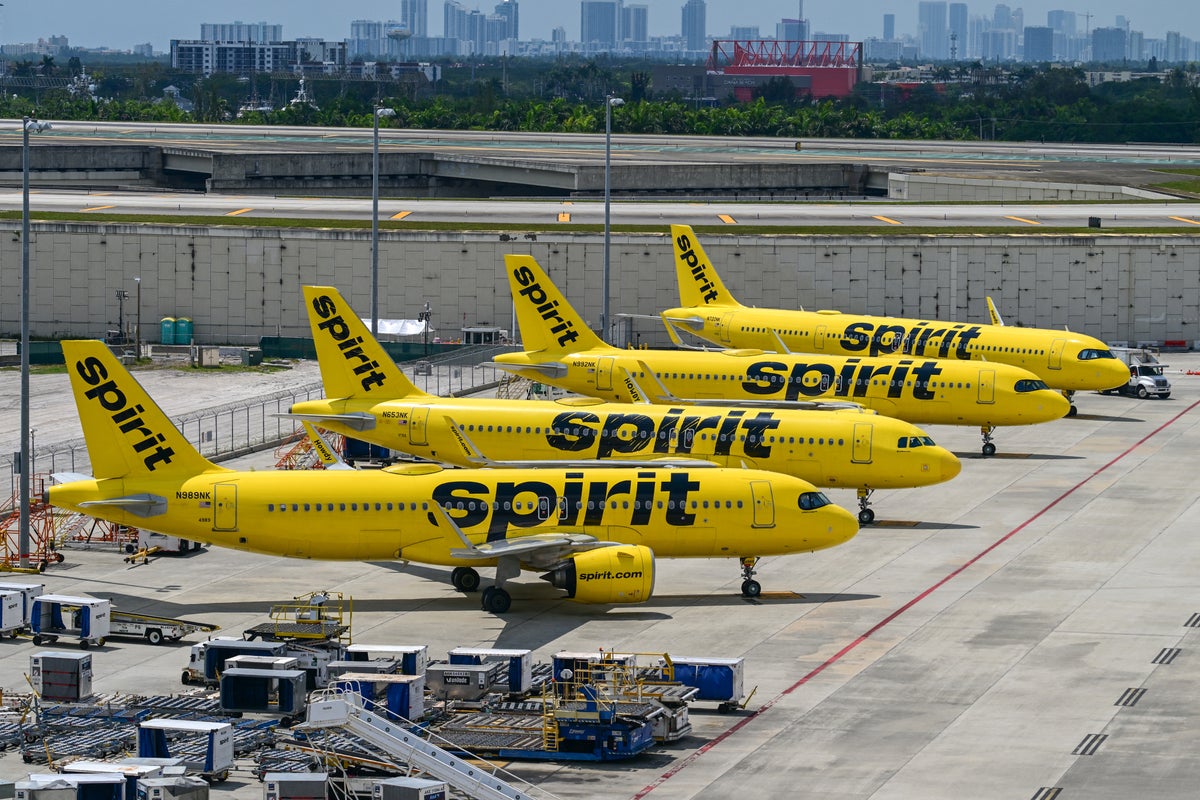
The yellow planes aren't taking off anymore. On May 2, 2026, Spirit Airlines officially threw in the towel, ending operations and leaving thousands of passengers scrambling. It’s the kind of corporate death that politicians love to weaponize. Within hours of the shutdown, the Trump administration went on the offensive. Transportation Secretary Sean Duffy and Treasury Secretary Scott Bessent aren't just calling it a business failure; they're calling it a "Biden-made disaster."
If you’re wondering why a president who left office over a year ago is being blamed for a bankruptcy happening today, it boils down to one specific, controversial decision made by the Department of Justice (DOJ) in 2024. The Trump team argues that Biden didn't save the "people's airline"—he strangled it.
The Merger That Never Was
Back in early 2024, Spirit was already in trouble. It was bleeding cash, struggling with engine recalls, and fighting a post-pandemic hangover. Its plan for survival was simple: merge with JetBlue. The $3.8 billion deal would have created a massive low-cost competitor to the "Big Four" airlines (American, Delta, United, and Southwest).
But the Biden DOJ sued to block it. Their argument? A merger would hurt the very people who fly Spirit—budget-conscious travelers. They claimed JetBlue would raise prices and eliminate the "Spirit Effect," which forces other airlines to lower their fares when Spirit enters a market. A federal judge agreed, and the deal died.
Fast forward to today. Secretary Duffy is hammering the point that by blocking that merger, the previous administration effectively signed Spirit’s death warrant. "They bragged about a 'victory' for travelers," Duffy said during a weekend presser. "But look at the scoreboard. Instead of a stronger competitor, we have one less airline, fewer choices, and higher prices."
It’s a classic "I told you so." The Trump administration’s stance is that a free-market solution—letting two smaller players combine to fight the giants—was sacrificed at the altar of aggressive antitrust theories.
Fuel Prices and the Final Nail
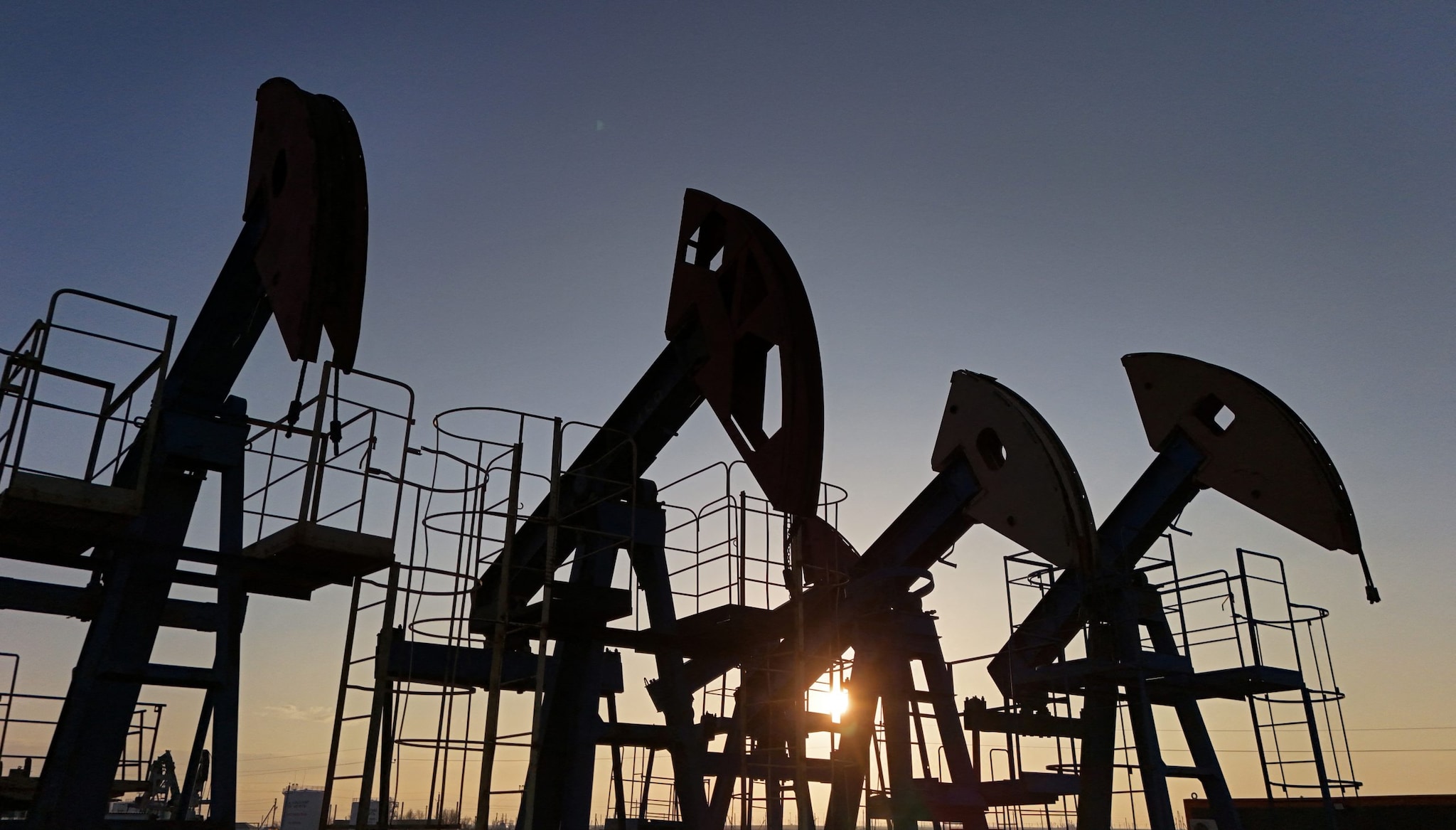
While the failed merger is the political centerpiece, it wasn't the only thing that killed Spirit. If the merger was the pre-existing condition, the recent conflict in Iran was the cardiac arrest.
Jet fuel is the biggest variable expense for any airline. Since the war began, fuel prices have jumped 55%, hitting roughly $4.51 per gallon. For a high-margin carrier like Delta, that’s a headache. For a low-margin, "ultra-low-cost" carrier like Spirit, it’s a death blow. Spirit had projected fuel costs at $2.24 per gallon for 2026. When that number doubled, the airline’s operating margins went into a freefall, hitting a staggering negative 20%.
The Trump administration argues that the Biden administration's energy policies and foreign policy blunders created the environment where a fragile airline couldn't survive a shock. Treasury Secretary Scott Bessent pointed out that Spirit was already "on life support" because of the regulatory environment it inherited.
The Bailout That Didn't Happen
There’s a bit of irony here. For all the finger-pointing, the Trump administration had the chance to step in. In the weeks leading up to the collapse, there were talks of a $500 million government-backed bailout. President Trump even said he was "looking" at a deal to save jobs.
So why did it fail? Creditors couldn't agree. Bondholders, including big names like Citadel and PIMCO, reportedly preferred liquidation over a government rescue that would have diluted their interests. They saw a "corpse" and didn't think the taxpayer's money would actually bring it back to life.
Essentially, the Trump administration is blaming Biden for making Spirit so weak that by the time they took the keys, it was beyond saving. They’re painting Spirit as a victim of "regulation overreach" that left the airline with no exit ramp when the economy turned south.
What This Means for Your Next Flight
The political blame game doesn't help you if you have a voucher or a flight scheduled for next week. Here’s what’s actually happening on the ground:
- Vouchers are likely worthless: Since Spirit has ceased operations, those credits are basically just digital souvenirs.
- Capacity is shrinking: Spirit carried nearly 4% of U.S. domestic passengers. That’s millions of seats gone overnight.
- The "Big Four" win: United and American are already moving to snag Spirit’s valuable airport slots in places like Fort Lauderdale, Newark, and Orlando.
Expect your summer travel to be more expensive. Without the downward pressure from Spirit's bottom-of-the-barrel pricing, the major carriers have much less incentive to keep their "Basic Economy" fares low.
If you're one of the thousands of stranded travelers, your best bet isn't waiting for a refund from a bankrupt company. Call your credit card provider immediately and dispute the charge for "services not rendered." Most major banks are aware of the situation and are processing these claims quickly. Also, check with carriers like United or Southwest; they often offer "rescue fares" for passengers stranded by a competitor's collapse, though you'll still have to pay out of pocket.
Move fast, because those seats are filling up as you read this. Don't wait for a government check that isn't coming.