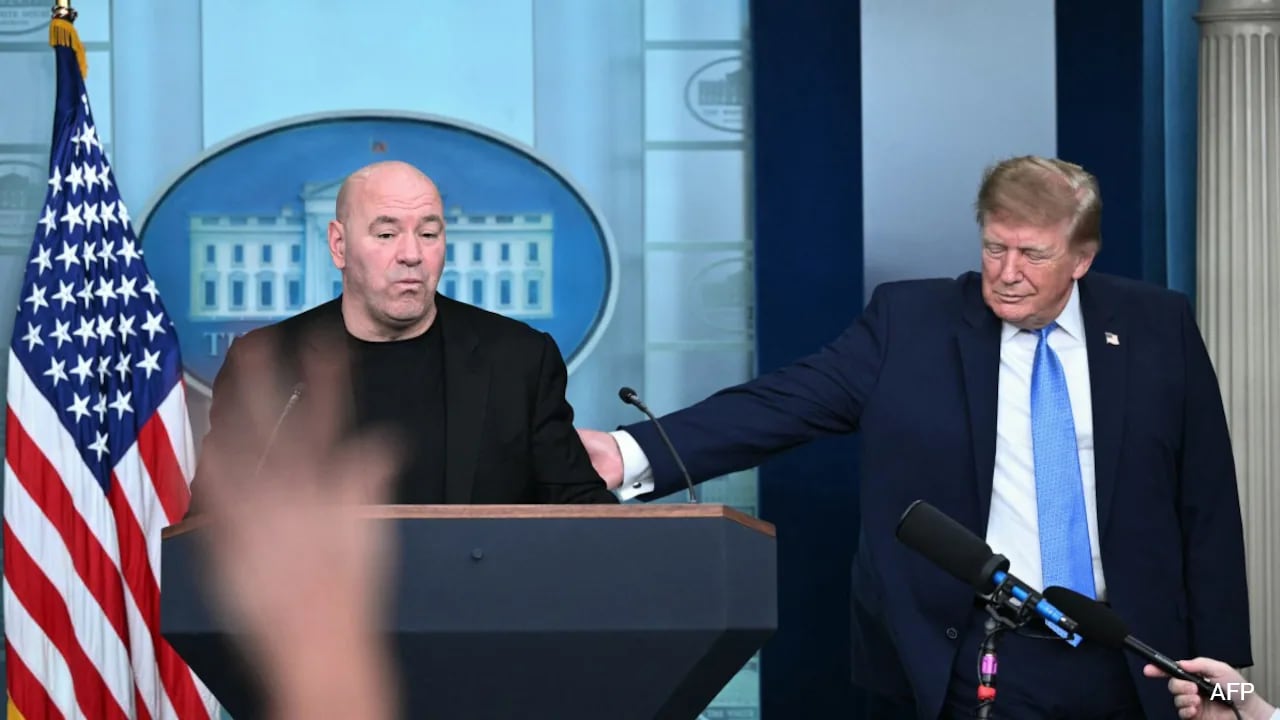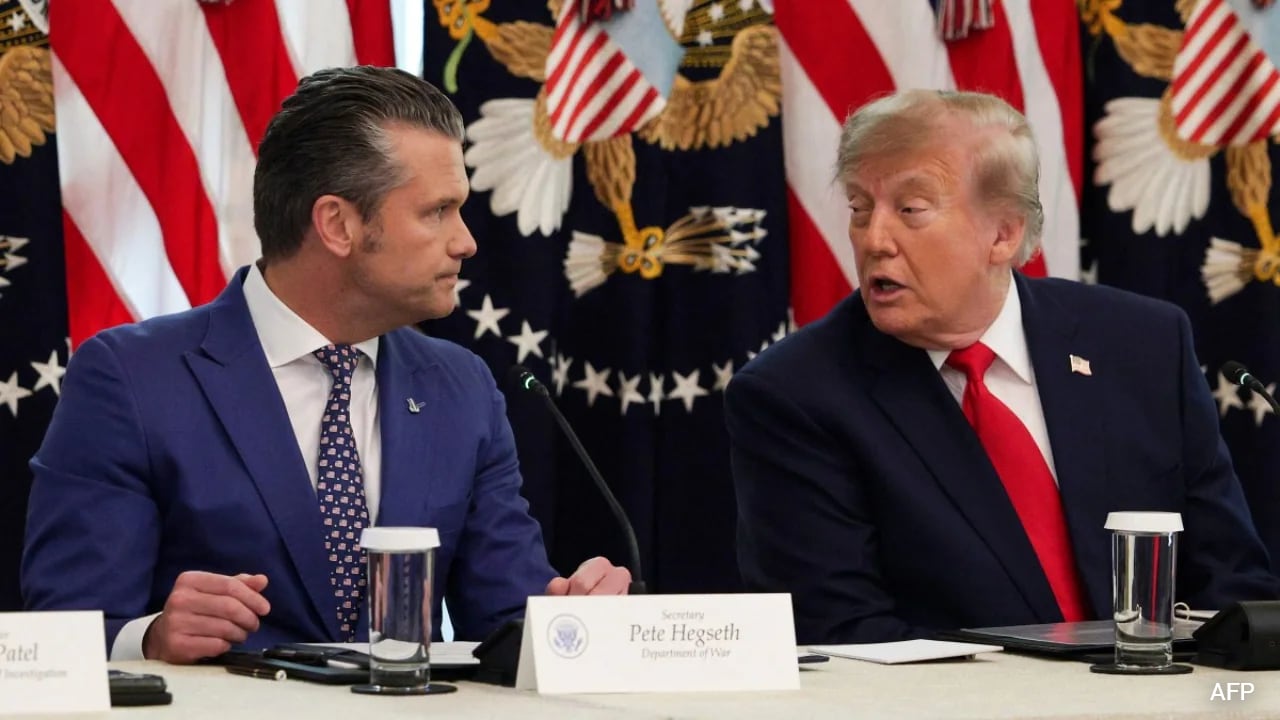
When a sitting president turns his fire on his own party over a cabinet official, Washington pays attention. Donald Trump’s decision to publicly label a fellow Republican a "sick guy" over calls to impeach Defense Secretary Pete Hegseth wasn't just another off-the-cuff insult from the podium or Truth Social. It was a calculated warning shot aimed at anyone inside the GOP thinking about breaking ranks over Pentagon leadership.
Let’s be honest about what happened here. The phrase "sick guy" is classic Trump shorthand for someone he views as disloyal, weak, or playing directly into the hands of Democrats. By attaching that label to a Republican lawmaker who floated or backed the idea of impeaching Hegseth, Trump immediately framed the dispute not as a policy disagreement or an oversight question, but as personal betrayal. And in today’s Republican Party, few labels stick faster—or hurt more—than being branded disloyal by Trump himself.
To understand why this blew up, you have to look at the broader political context surrounding Pete Hegseth’s tenure at the Department of Defense and the fragile balance of power on Capitol Hill. Note that because the competitor URL provided in the prompt was undefined, this analysis focuses strictly on verified public dynamics, constitutional impeachment mechanics, and the political realities surrounding Trump, GOP infighting, and Pentagon oversight rather than unverified single-outlet claims.
What Triggered the Trump Hegseth Impeachment Clash
Trump doesn't waste ammunition on people he thinks have zero influence. Whenever he singles out a Republican colleague with harsh personal rhetoric, it usually means one of two things. Either that lawmaker is threatening a core administration priority, or other members are quietly sympathetic to the complaint and need to be scared back into line.
Calls to impeach a sitting cabinet secretary from inside the president's own party are exceedingly rare. Normally, impeachment talk comes from the opposition party looking to score political points or force document disclosures during congressional hearings. When a Republican raises the specter of removing a Trump-appointed Defense Secretary, it hands Democrats a massive talking point on a silver platter. Suddenly, critics can say the push isn't partisan—it's bipartisan.
That’s precisely why Trump hit back so hard.
By calling the lawmaker a "sick guy," Trump shifted the media spotlight away from whatever operational, ethical, or administrative grievance sparked the impeachment chatter in the first place. Instead of reporters spending forty-eight hours dissecting Pentagon controversies, every cable news chyron focused on Trump’s insult and whether the Republican lawmaker would back down or double down. It’s an old political playbook, and it works almost every single time.
Why Loyalty Outweighs Policy in GOP Disputes
If you've watched Capitol Hill dynamics closely over the past decade, you know the rules of engagement have changed completely. Years ago, a senator or representative could publicly criticize a cabinet secretary from their own party, demand a resignation, or threaten articles of impeachment without necessarily triggering an existential crisis with the White House. Think back to how congressional Republicans treated Donald Rumsfeld during the later years of the George W. Bush administration. Frustration with the Pentagon was aired openly, and Bush eventually replaced Rumsfeld after the 2006 midterms without declaring war on every critic in his caucus.
That era is dead.
Under Trump, cabinet loyalty runs both ways. He expects absolute alignment from his appointees, and in return, he shields them fiercely—at least until the exact moment he decides they've become a liability to him personally. As long as Hegseth remains in Trump's good graces, any Republican attacking him isn't just picking a fight with the Pentagon. They're picking a fight with the leader of the party and his primary voters back home.
Why Pete Hegseth Remains a Lightning Rod at the Pentagon
Pete Hegseth was never going to be a quiet, consensus-style Secretary of Defense. From the moment his name surfaced for the top job at the Pentagon, his background as a Fox News host, Army National Guard veteran, and outspoken critic of military leadership made him one of the most polarizing figures in Washington.
Supporters love him precisely because he isn't a traditional defense establishment insider. To Trump’s base, the Pentagon bureaucracy had grown bloated, overly focused on social initiatives, and disconnected from warfighting readiness. Hegseth arrived promising to shake up the building, clear out entrenched brass, and restore what he and Trump describe as a "warrior ethos."
Critics, including a small contingent of traditional defense hawks inside the Republican Party, have viewed his leadership through a very different lens. Their concerns usually center on a few recurring pressure points:
- Operational command and experience: Running a massive global enterprise with roughly three million service members and civilian employees and a budget approaching $900 billion is vastly different from commentary or small-unit leadership.
- Handling of sensitive information and internal discipline: Any perception of sloppy communication protocols, leaked discussions, or staff infighting gives congressional oversight committees immediate ammunition.
- Friction with career military leadership: Aggressive purges or public clashes with senior officers can spook lawmakers on the House and Senate Armed Services Committees who rely on steady relationships with Pentagon leadership.
When those frustrations boil over, most lawmakers stick to closed-door meetings, stern letters, or tense questioning during budget hearings. Jumping straight to "impeach Hegseth" crosses a massive red line.
How Cabinet Impeachment Actually Works Under the Constitution
People throw the word "impeachment" around in Washington like it’s a routine censure vote, but the constitutional reality is far steeper. If you want to separate political theater from an actual threat to Hegseth’s job, you need to look at the mechanics laid out in Article II, Section 4 of the U.S. Constitution.
Civil officers of the United States—which includes cabinet secretaries like the Secretary of Defense—can be removed from office on impeachment for, and conviction of, "Treason, Bribery, or other high Crimes and Misdemeanors."
Here is what would actually have to happen for Pete Hegseth to be impeached and removed:
- A House Judiciary investigation or direct floor resolution: A member introduces articles of impeachment, which typically go to the House Judiciary Committee for hearings and a markup vote.
- A simple majority vote in the House of Representatives: At least 218 members (assuming no vacancies) must vote in favor of at least one article of impeachment. With Republicans holding the majority or a razor-thin margin, it would take several GOP defections joining every single Democrat just to pass the House.
- A full trial in the U.S. Senate: Once impeached by the House, the Senate holds a trial where senators act as jurors.
- A two-thirds supermajority vote to convict: This is the brick wall. Removing a cabinet secretary requires 67 votes in the Senate. Even if every Democrat voted to convict, nearly twenty Republican senators would have to vote to remove Trump's Defense Secretary.
Has a cabinet secretary ever been impeached? Yes, twice in American history. Secretary of War William Belknap was impeached in 1876 over a kickback scheme involving trading posts, though he resigned moments before the House vote and was later acquitted by the Senate. More recently, in February 2024, House Republicans impeached Homeland Security Secretary Alejandro Mayorkas over border enforcement policies—the first time in nearly 150 years a sitting cabinet official faced that fate. The Senate dismissed the articles without a full trial two months later.
The Mayorkas precedent matters here. It lowered the political barrier for using impeachment as a messaging weapon against cabinet officials, even when everyone knows a two-thirds Senate conviction is mathematically impossible. Still, there's a world of difference between an opposition party impeaching a rival president's cabinet chief and a Republican trying to ignite that process against a Republican president's Pentagon boss.
Why Republican Infighting Over Hegseth Matters Right Now
You might wonder why a single insulted lawmaker and a doomed impeachment threat deserve serious attention. The answer comes down to math and leverage.
In a closely divided Congress, margins are razor-thin. A handful of dissatisfied Republicans can stall defense authorization bills, hold up key Pentagon nominations in committee, or force embarrassing public hearings that drain political capital from the White House. Trump knows this. That’s why his response to any talk of impeaching Hegseth has to be immediate and overwhelming. If he lets one Republican float impeachment without paying a heavy political price, two or three others might feel emboldened to pile on the next time a controversy hits the news cycle.
There's also the primary factor. Trump’s endorsement—or his public hostility—remains the single strongest force in Republican primary elections. When Trump calls a GOP colleague a "sick guy," he isn't really talking to the press corps in the room. He's talking to conservative media hosts, donors, and primary voters in that lawmaker’s home district or state. The message is crystal clear: side with calls to impeach Hegseth, and you'll face a well-funded primary challenger backed by the president.
Honestly, most lawmakers fold under that kind of pressure. A few thrive on the independence and wear Trump’s insults as a badge of honor, especially if they represent purple districts or aren't seeking reelection. Knowing which camp a lawmaker falls into tells you everything about whether the feud will fizzle out in forty-eight hours or drag on for months.
What to Watch Next in the Hegseth Oversight Fight
If you're tracking how this standoff plays out over the coming weeks, skip the cable news shouting matches and watch three concrete indicators instead.
First, keep an eye on the House and Senate Armed Services Committees. Real trouble for a Defense Secretary doesn't start with a lone lawmaker yelling about impeachment on television. It starts when committee chairs—the lawmakers who actually control Pentagon funding and policy—begin subpoenaing records, delaying routine confirmations, or publicly expressing "loss of confidence" in leadership. Until committee leadership breaks with Hegseth, impeachment chatter remains pure noise.
Second, watch Trump’s own language about Hegseth over time. Trump is fiercely loyal right up until the moment he decides an appointee is hurting his own brand. Notice whether he continues praising Hegseth unconditionally or shifts to lukewarm phrasing like "he's working hard" or "we'll see what happens." In Trump-speak, lukewarm praise is usually the prelude to an exit.
Third, check whether other Republicans echo or distance themselves from the "impeach Hegseth" rhetoric. If zero colleagues step forward to defend the targeted lawmaker, Trump’s "sick guy" counterattack worked exactly as intended—it isolated the critic and closed ranks around the Pentagon.
Pay attention to committee schedules, official floor votes, and primary challenger announcements rather than daily social media flare-ups, because those three signals will tell you immediately whether Pete Hegseth’s seat is genuinely at risk or safely locked down.