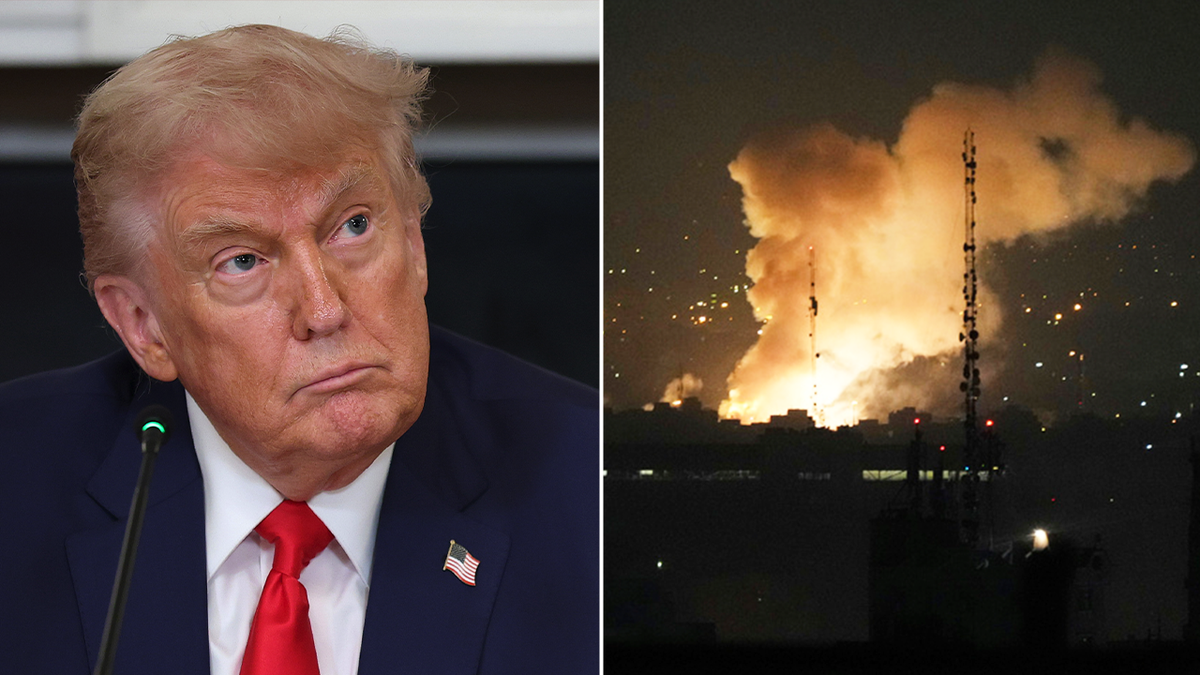
Don't let the polite handshakes in Islamabad fool you. While the world's cameras are fixed on the lush green lawns of Pakistan's capital, the real story is happening on Truth Social and in the high-stakes threats coming out of Washington. Donald Trump just called Iran a "failing nation," and he didn't stop there. He's practically inviting the world to watch as the U.S. Navy begins "clearing out" the Strait of Hormuz like it’s a weekend landscaping project.
The timing is incredible. Peace talks between the U.S. and Iran have technically begun in Islamabad, mediated by Pakistan and China. But even as the diplomats are sipping tea, Trump is busy reminding everyone that his finger is still hovering over the button. It’s classic Trump—negotiating with a shotgun on the table.
The Islamabad Gamble
Pakistan has managed to pull off a diplomatic miracle by getting both sides to the table. After weeks of high-intensity conflict that saw the U.S. military—under "Operation Epic Fury"—decimate Iranian air defenses and naval assets, a two-week ceasefire is finally in place. Prime Minister Shehbaz Sharif and Field Marshal Asim Munir have positioned Pakistan as the ultimate middleman.
But let's be real about what's actually happening in those rooms. The U.S. wants the Strait of Hormuz opened immediately and permanently. Iran wants the U.S. to stop what it calls "the death of a civilization."
What is actually on the table
- The Strait of Hormuz: Trump wants it open for business, period. He’s even floated the idea of a "joint venture" with Iran to collect tolls.
- Sanctions: Iran is demanding the total removal of secondary sanctions that have crippled their economy.
- Nuclear Enrichment: The U.S. is pushing for hard limits that the current Iranian leadership has historically refused.
Why Failing Nation is the Key Phrase
When Trump uses the term "failing nation," he isn't just throwing an insult. He’s signaling that the U.S. believes the Iranian regime is at a breaking point. According to recent reports, the Iranian Navy is basically gone, and their missile factories are in ruins. Trump’s latest posts claim that all 28 of Iran's mine-dropping boats are currently sitting at the bottom of the sea.
If you’re Iran, you’re negotiating from a position of extreme weakness. Your air force is nonexistent, and your "longtime leaders" are, in Trump’s words, "no longer with us." This isn't a meeting of equals. It’s a surrender disguised as a peace talk.
The China Factor in Pakistan
You can't talk about these talks without mentioning China. While Pakistan is the host, Beijing is the quiet architect in the background. China is desperate to keep the oil flowing through the Persian Gulf. They’ve been mediating not just between the U.S. and Iran, but also between Pakistan and the Afghan Taliban in Urumqi.
It’s a tangled web. Pakistan is currently in an "open war" with Afghanistan over TTP militants, even as it tries to play peacemaker for the Americans. If you think that sounds complicated, you’re right. It’s a mess.
The Reset is Already Loading
Trump told the New York Post that if these talks don't produce a deal within the two-week ceasefire window, he’s ready to "reset." In his world, a reset means reloading warships with "the best ammunition ever made." He’s not interested in a long, drawn-out diplomatic process. He wants the Strait of Hormuz open, and he wants it now.
The U.S. is already moving assets to clear the sea mines. Trump even called out countries like Japan, South Korea, and France, saying they don’t have the "courage or will" to do the work themselves. He's positioning the U.S. as the only global power willing to get its hands dirty to keep trade routes open.
What Happens if the Talks Fail
We’re looking at a very short fuse. The two-week ceasefire is a ticking clock. If the Islamabad summit ends without a signed agreement to reopen the Strait, the "Operation Epic Fury" phase two will likely be much more aggressive than the first.
Don't expect a lot of nuance. Trump has already stated that the Iranians have "no cards" left to play. If the regime doesn't fold on the enrichment and waterway issues, the next move won't be another round of tea in Islamabad. It'll be the "destructive force" that Trump promised to unleash before the Pakistanis talked him into this pause.
If you’re watching the markets, keep your eyes on the Strait. The real test isn't what the diplomats say in their press releases; it's whether those 28 mine-dropping boats stay at the bottom of the ocean or if Iran tries one last desperate move.
Get your news from the sources that aren't afraid to call out the bluffing. The next ten days will determine if the Middle East sees a total restructure or a total collapse. Watch the troop movements in the Gulf more closely than the handshake photos in Pakistan.



