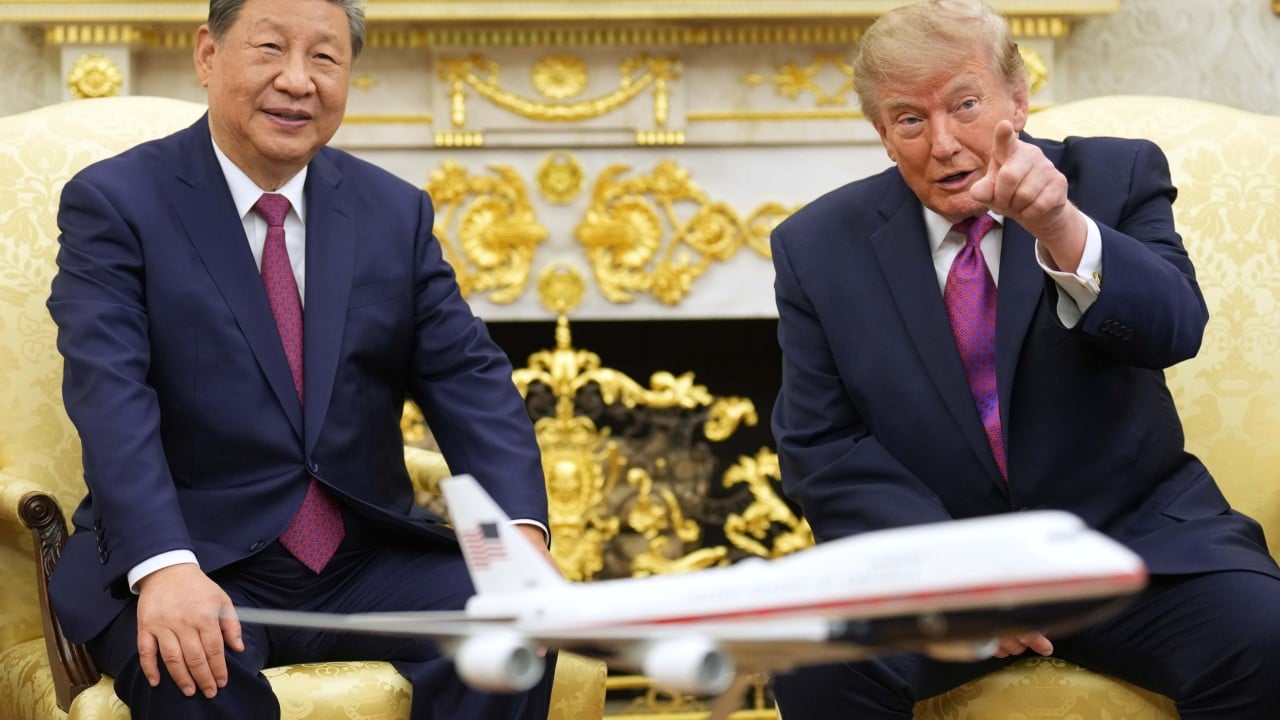
When a global superpower leader looks at one of the most volatile geopolitical flashpoints on Earth and simply shrugs, it demands a closer look. Following high-stakes talks at the White House aimed at stabilizing rocky relations, Donald Trump brushed off intense questioning regarding Taiwan, telling reporters that things are fine and moving along because Chinese President Xi Jinping understands his position.
It sounds reassuring on the surface. But treating the Taiwan Strait as a minor talking point ignores the profound structural anxieties rippling through East Asia. Let's break down what's actually happening behind closed doors and why this casual dismissal glosses over deep-seated risks.
The Real Cost of Minimizing Cross-Strait Tension
When diplomats hear that Taiwan wasn't a major point of friction during a leadership summit, the immediate reaction in Taipei isn't relief; it's anxiety. For years, the official U.S. posture has relied on strategic ambiguity, balancing deterrence against Beijing with robust behind-the-scenes support for Taiwan's self-defense.
When a president downplays the friction, it signals a transactional approach to foreign policy. If major territorial and democratic security questions are treated as negotiable leverage rather than foundational principles, allies start to worry. You cannot easily compartmentalize trade tariffs, rare-earth exports, and the security of twenty-four million people living under the shadow of a rising military power.
What Xi Understands Versus What Beijing Demands
Trump noted that Xi understands how he feels about the region. That might be true on a personal level. Both leaders have mastered the art of high-stakes transactional summitry, often preferring to focus on economic deliverables, trade truces, and technology guardrails over ideological standoffs.
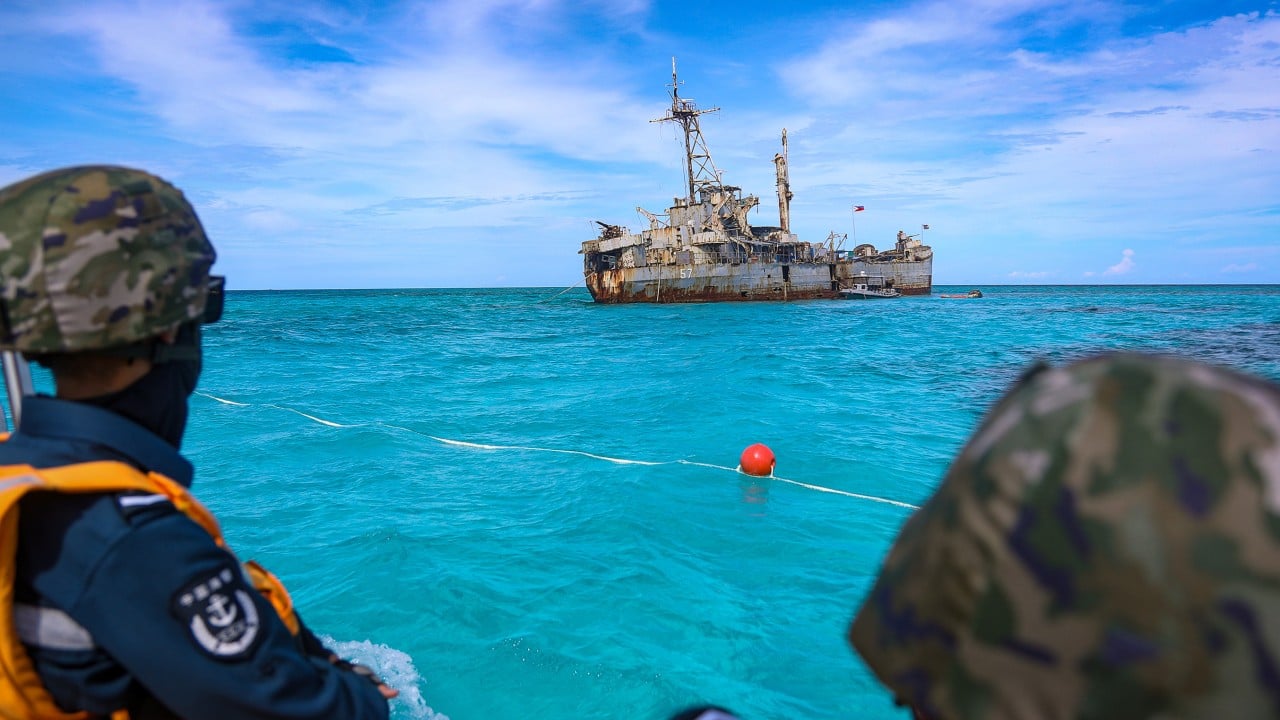
Yet, understanding someone's personal stance is very different from accepting it. Beijing's view of Taiwan remains non-negotiable. For Beijing, reunification is a core historical objective, and Chinese leadership has repeatedly warned that mishandling the issue risks direct confrontation. Brushing off these tensions with a casual comment ignores the relentless military pressure, airspace incursions, and gray-zone tactics that Taipei faces on a weekly basis.
The Ripple Effects Across the Pacific
Washington doesn't operate in a vacuum. Neighbors like Japan and South Korea watch these summits with intense scrutiny. When the White House signals that major regional disputes are moving along fine without deep friction, regional partners wonder about the reliability of long-term security guarantees.
Japan, in particular, views stability in the Taiwan Strait as vital to its own national survival. If U.S. rhetoric softens too much, neighboring democracies feel compelled to hedge their bets, leading to unpredictable shifts in regional defense postures.
Looking Beyond the Summit Soundbites
Summits are designed to project calm. They are carefully choreographed events where leaders emphasize areas of agreement to soothe global markets and prevent immediate escalation. Downplaying disagreements is standard diplomatic theater.
The danger arises when political spin replaces clear-eyed strategy. Taiwan isn't just a bargaining chip in a broader trade negotiation; it is a critical hub for global semiconductor manufacturing and a frontline democracy. Dismissing the friction as fine right now might buy temporary diplomatic breathing room, but it leaves fundamental vulnerabilities unaddressed. True stability requires more than a casual shrug and a hope that mutual understanding will override strategic ambition.