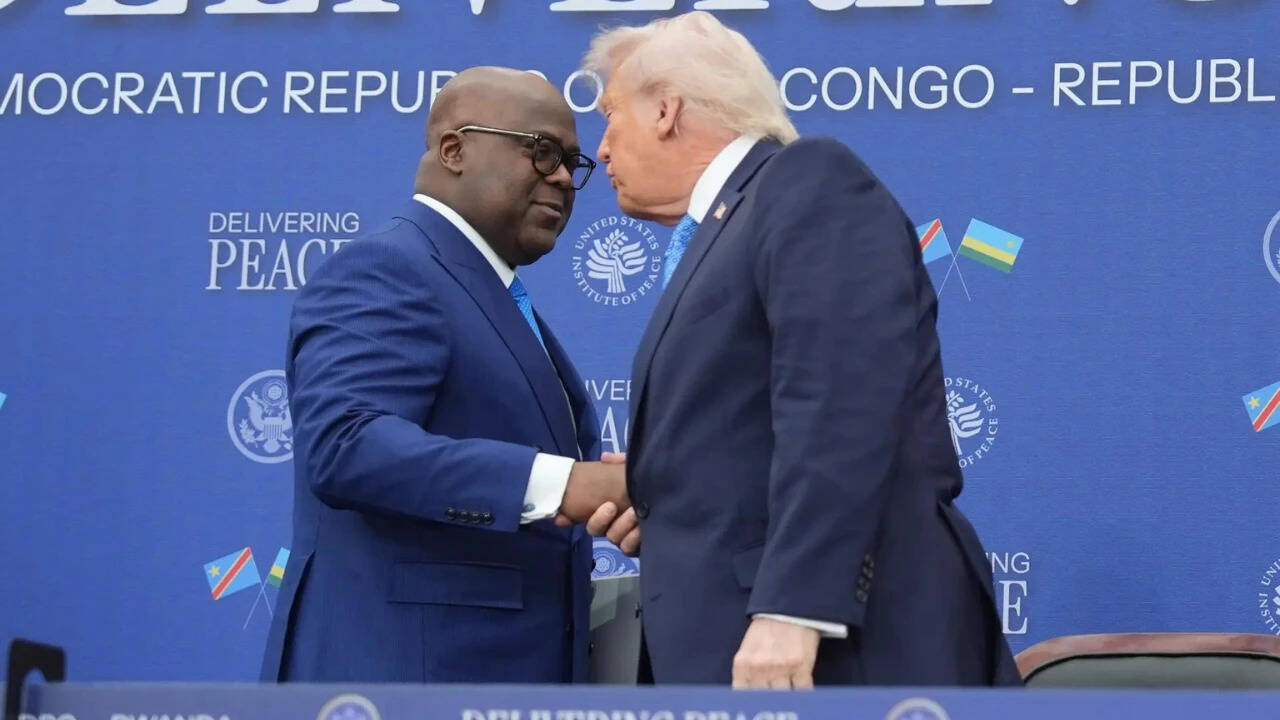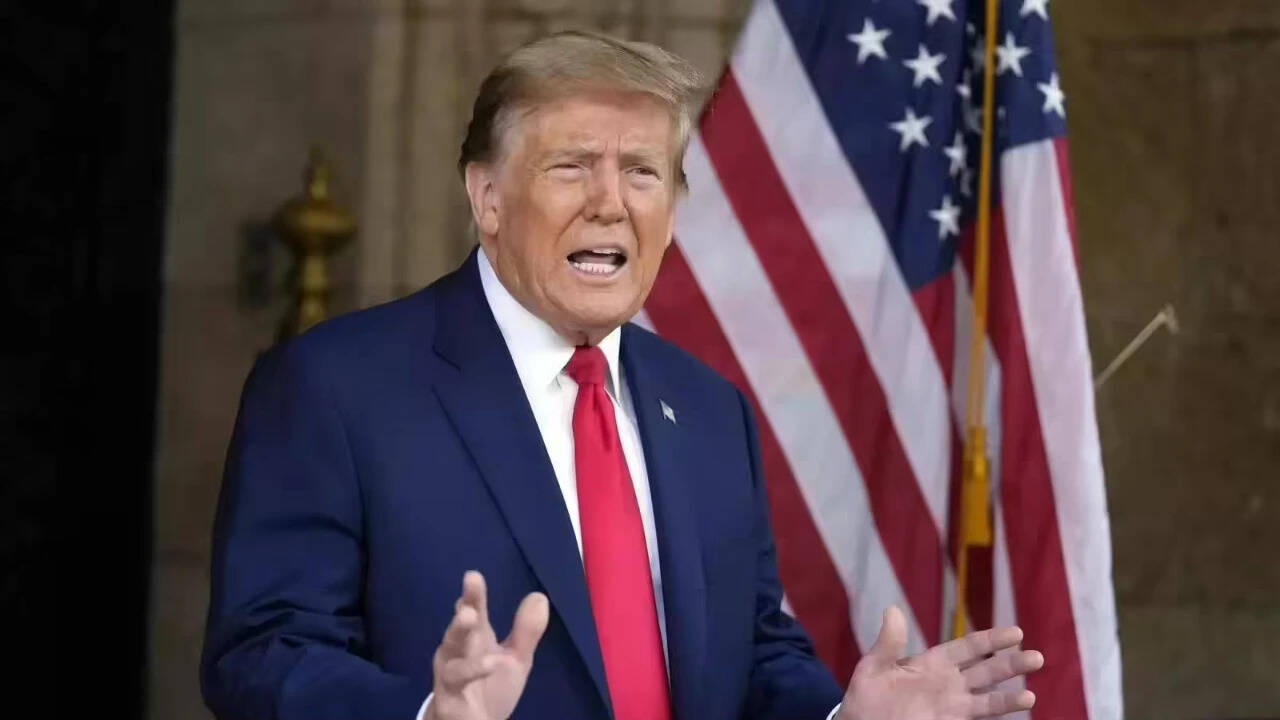
Donald Trump just put a very specific clock on the wall for Tehran. If the Strait of Hormuz isn't open for business by 8:00 P.M. Eastern Time this Tuesday, he's promising a massive escalation that targets the country’s basic infrastructure. We aren't just talking about military outposts anymore. He’s explicitly calling out power plants and bridges.
This isn't just another post on Truth Social. It’s a deadline tied to an ongoing energy crisis that has already sent U.S. gas prices north of $4 a gallon. The president used some of the most aggressive, expletive-heavy language we've seen in years, telling Iranian leaders to "Open the F***in' Strait" or they’ll be "living in Hell."
The Tuesday deadline explained
The "Tuesday" threat didn't come out of nowhere. It follows a series of rolling deadlines. On Sunday, Trump confirmed to the Wall Street Journal that he’s giving Iran roughly 48 hours to make a deal or clear the waterway. He’s calling it "Power Plant Day" and "Bridge Day."
Why the focus on infrastructure? Basically, the U.S. and Israel have already spent over a month hitting military targets and nuclear sites. By shifting the crosshairs to power grids and transportation, the administration is trying to spark internal pressure within Iran. Trump’s bet is that if the lights go out and the roads are blocked, the "more reasonable" elements he claims to be negotiating with will finally cave.
What happens if the clock runs out?
If Tuesday night passes without a breakthrough, expect the air war to change flavor.
- Energy Grids: Strikes on power stations would cause immediate blackouts in major cities like Tehran and Isfahan.
- Logistics: Targeting bridges would effectively paralyze the movement of Iranian ground forces and internal commerce.
- The Oil Gamble: Trump has openly mused about "taking the oil." This would mean a direct move to seize Iranian oil fields or export terminals to keep the global market from collapsing.
The rescue that changed the tone
Part of why Trump sounds so emboldened right now is a high-stakes rescue mission that went down over the weekend. A U.S. Air Force colonel, whose F-15 was downed earlier, was pulled out of the Iranian mountains by a massive strike package of dozens of aircraft.
Iran tried to claim they’d foiled the rescue, even showing off wreckage of some transport planes that the U.S. reportedly destroyed on the ground to keep them out of enemy hands. But the pilot is out. For Trump, this was a massive PR win that he’s using to signal that U.S. forces can operate deep inside Iranian territory with impunity.
A global economy on the brink
This isn't just a spat between two governments. The Strait of Hormuz handles about 20% of the world’s oil. With the passage currently blocked, the ripple effects are hitting everyone's wallet.
- Gas Prices: We’ve already seen the average American pump price jump.
- Shipping Insurance: Costs for cargo ships have skyrocketed, forcing many to avoid the region entirely.
- Regional Fallout: Strikes have already hit infrastructure in the UAE, Bahrain, and Kuwait.
Trump’s stance on this is actually pretty polarizing even among allies. Last week, he told partners to "go get your own oil," arguing it shouldn't just be America’s job to keep the strait open. He’s basically telling France and other European nations that if they want the oil, they need to put some skin in the game.
What are the chances of a deal?
Interestingly, Trump told Fox News on Sunday that there’s a "good chance" a deal happens by Monday. He claims he’s negotiating with a "new regime" that is "far more intelligent" than previous leadership.
But there’s a massive gap in the narratives. Iran’s Foreign Ministry is calling these claims of a ceasefire request "baseless." They’re warning that if Trump follows through on the Tuesday threats, they’ll target every U.S. and Israeli asset in the region—fuel, energy, and economic centers alike.
Honestly, it feels like a massive game of chicken. Trump is using the "madman" strategy to see who blinks first before the Tuesday 8:00 P.M. cutoff.
Your move if you're watching the markets
If you have investments tied to energy or international shipping, Monday and Tuesday are going to be volatile.
- Watch the 8:00 P.M. ET window: This is the hard cutoff Trump has set.
- Monitor oil futures: Any sign of a deal on Monday will send prices tumbling; a confirmed strike on Tuesday will do the opposite.
- Check for regional "spillover": Watch for Iranian proxy activity in Lebanon or Iraq, as that usually precedes a direct confrontation.
Don't expect a quiet week. The rhetoric is at a fever pitch, and for the first time, the targets are things that keep the lights on for millions of civilians. Whether it’s a brilliant negotiation tactic or a slide into a much larger war, we'll know by Tuesday night.