President Donald Trump just put a massive "no-fly" order on the most ambitious airline merger in history. If you've been following the whispers coming out of Washington and Chicago lately, you knew a storm was brewing. But now it’s official. Trump personally signaled his opposition to a potential tie-up between United Airlines and American Airlines, effectively killing the dream of a single carrier controlling nearly 40% of the U.S. domestic market.
It’s a fascinating pivot. This is an administration that usually loves big deals and "winning" on a global scale. Yet, when United CEO Scott Kirby reportedly pitched the idea to Trump back in February, he didn't get the "art of the deal" handshake he was likely hoping for. Instead, Trump is drawing a line in the sand. He’s fine with mergers that save dying companies, but he’s not about to let two healthy giants become one unstoppable behemoth. Meanwhile, you can find other stories here: The Liquidity Lie and Why Pension Funds Should Stop Crying About Private Asset Costs.
The 40 Percent Problem
Why is this a big deal? Simple math. A combined United-American entity wouldn't just be the biggest airline in America—it’d be the biggest on the planet. We’re talking about a company that would control four out of every ten domestic seats.
If you think your legroom is tight and your baggage fees are high now, imagine a world where one boardroom decides the pricing for almost half the country. Bipartisan critics like Senator Elizabeth Warren and Senator Mike Lee have already joined forces (a rare sight itself) to warn that this merger would "exploit market power" and gut competition. To understand the complete picture, check out the excellent article by Bloomberg.
What the Numbers Look Like
- Combined Market Share: Approximately 40% of U.S. domestic capacity.
- The "Big Four" to "Big Three": The industry currently relies on United, American, Delta, and Southwest. This deal would effectively delete one major competitor from the map.
- Hub Overlap: Major issues at Chicago O’Hare and several Texas hubs where both carriers currently fight for dominance.
When the two biggest players stop competing, you pay for it. Trump seems to realize that while he wants a "strong" America, having a single corporate monopoly over the skies isn't the kind of strength that wins over voters in middle America.
Why Trump Said No When He Usually Says Yes
The Trump administration’s stance on antitrust has been anything but predictable. On one hand, you have Transportation Secretary Sean Duffy suggesting there’s "room for consolidation." On the other, you have the President himself telling CNBC that American is "doing fine" and United is "doing very well," so there's no reason to let them merge.
There’s a clear strategy emerging here. Trump isn't against mergers; he’s against these mergers. He’s essentially acting as a corporate matchmaker with very specific tastes. He’s much more interested in who’s going to save Spirit Airlines than who’s going to let United swallow American.
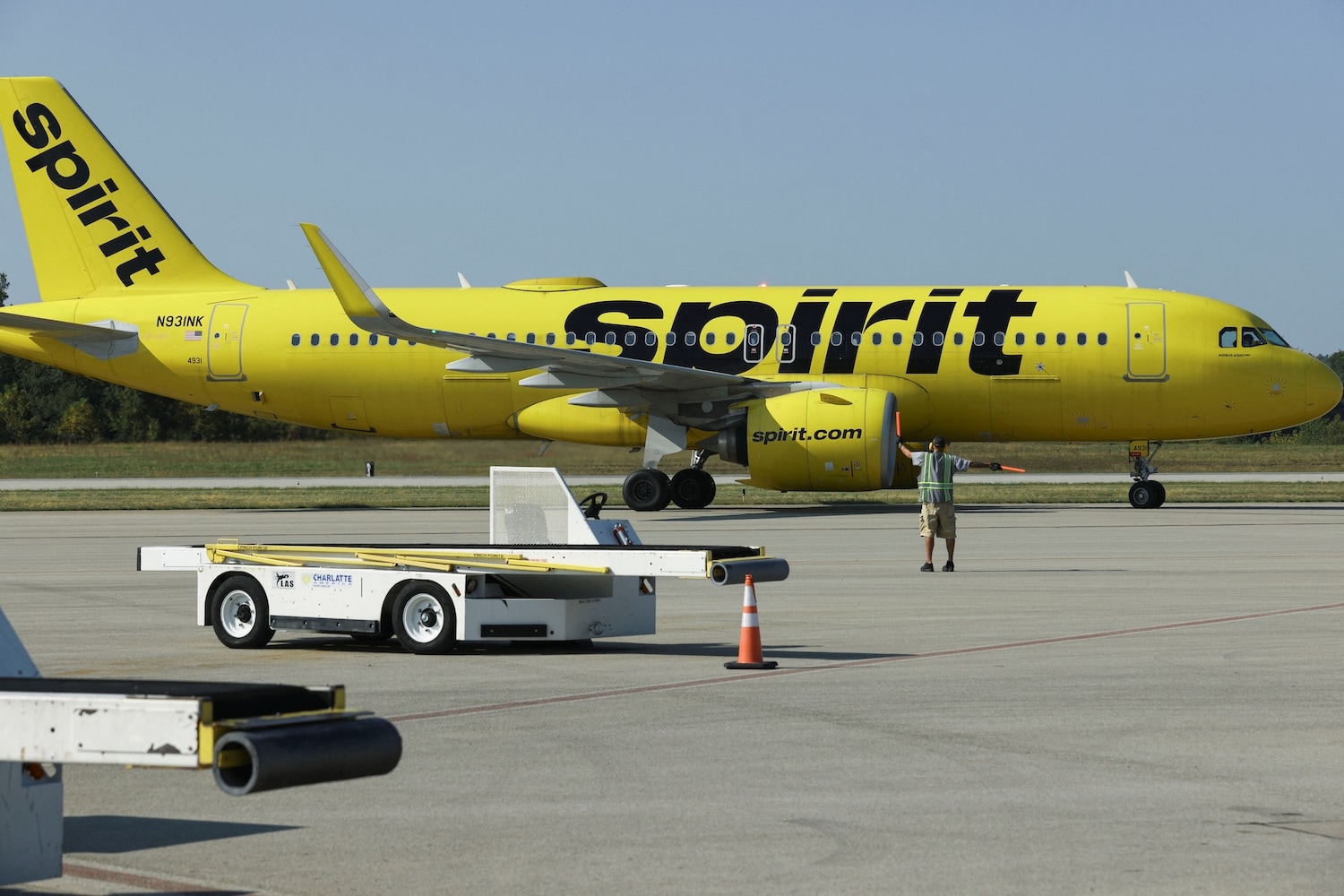
Spirit is currently in its second bankruptcy in two years. It’s a mess. But it’s a mess that employs 14,000 people. Trump has explicitly said he’d "love somebody to buy Spirit" to save those jobs. He’s even hinted at federal intervention or a "golden share" arrangement, similar to what the government did with Intel and U.S. Steel earlier this year.
Basically, if a merger saves jobs and a failing brand, Trump is in. If a merger just makes two rich companies even richer while potentially hiking ticket prices, he's out.
The Fuel Crisis and the War Factor
We can't talk about airline mergers in 2026 without talking about the elephant in the room: the war between the U.S.-Israel coalition and Iran. This conflict has sent jet fuel prices into the stratosphere, with oil sitting comfortably above $100 a barrel.
For the "Big Four," this is a massive headache. For budget carriers like Spirit, it’s a death sentence. The cost of filling up a Boeing 737 has doubled in some markets. This is exactly why Scott Kirby was at the White House in the first place. United wants the scale to weather this storm. They want the "synergy" (a word they love, but we don't) to cut costs and survive a long-term energy crisis.
But American Airlines isn't even playing ball. They quickly distanced themselves from the rumors, stating they have no interest in United’s advances. It turns out, being the junior partner in a 40% market-share monopoly is a PR nightmare American's leadership isn't ready to sign up for.
The DOJ and the Ghost of Mergers Past
Remember the JetBlue and Spirit merger that got blocked back in 2024? The Department of Justice at the time argued that losing a low-cost carrier would hurt the "flying public."
Trump’s team is now using that same logic but flipping the script. They’re blaming the previous administration for Spirit’s current collapse, arguing that if they’d let JetBlue buy them back then, Spirit wouldn't be on life support now. It’s a clever political move:
- Block the United-American "Super-Merger" to look pro-consumer.
- Blame the old guard for Spirit's failures.
- Encourage a new buyer for Spirit to look like a job-saver.
What Happens to Your Next Flight
So, what does this mean for you? For now, the status quo holds. You’ll still see the United globe and the American eagle as separate entities at the gate.
If the merger had gone through, we likely would have seen:
- Reduced flight frequencies on overlapping routes.
- Higher fares due to less pressure to underbid each other.
- Labor friction as two massive, unionized workforces tried to integrate.
Instead, the focus shifts to the "bottom" of the market. Watch for who moves on Spirit. Whether it’s Frontier coming back for a second look or a surprise player like Alaska or even a non-airline investor, the next few months will be about survival, not world domination.
If you’re holding United or American stock, don't expect a massive merger-fueled payday anytime soon. The White House has made it clear: the skies are crowded enough as they are.
Your Next Steps
- Watch the Spirit Bankruptcy: If the government takes a stake or a buyer emerges, it sets a new precedent for "Trump-approved" deals.
- Monitor Fuel Surcharges: With the Iran conflict ongoing, expect your ticket prices to rise regardless of merger news.
- Check Hub Status: If you fly out of Chicago, Dallas, or Charlotte, you're the biggest winner here. Competition at these hubs is the only thing keeping your local fares from doubling overnight.
The era of the "Mega-Carrier" might finally have hit its ceiling. When even a pro-business president says a company is getting "too big," it’s time to stop looking at the map and start looking at the ledger.