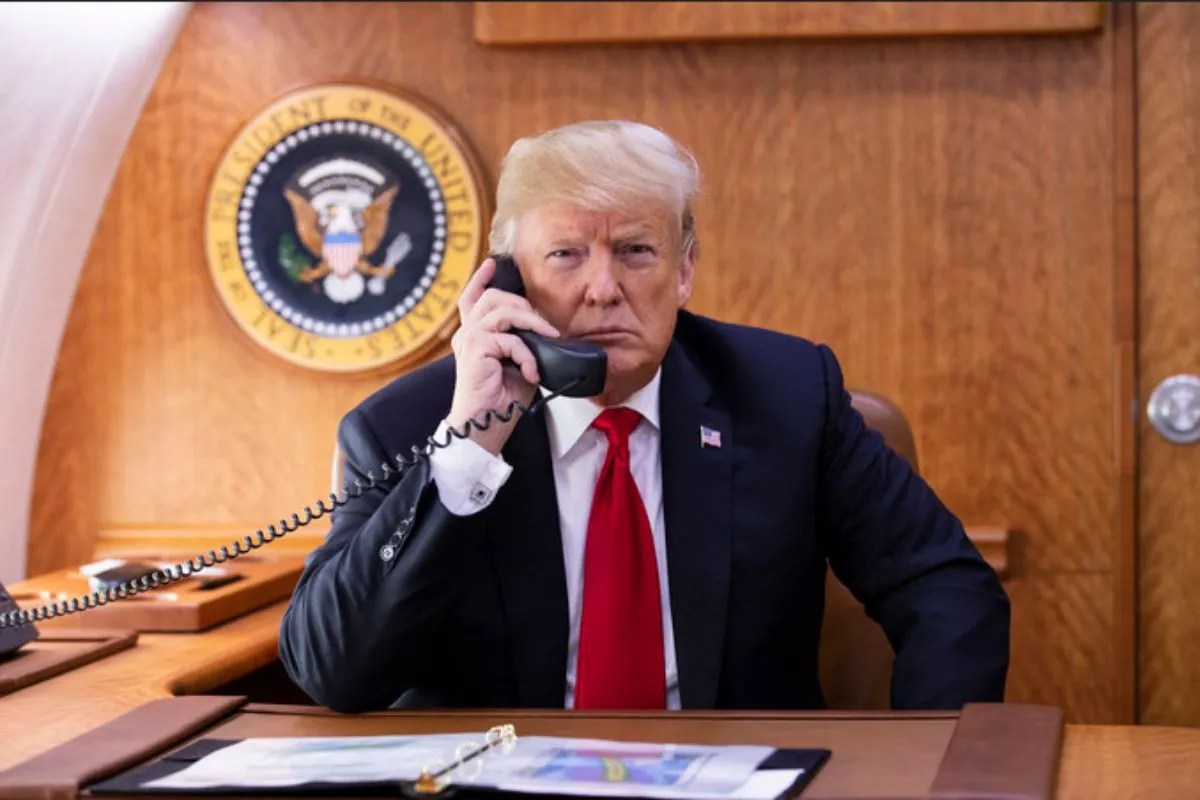
The geopolitical chessboard is shifting under the weight of a singular, disruptive reality. Donald Trump is engaging with Tehran through backchannels and informal intermediaries, a move that signals a departure from the "Maximum Pressure" campaign of his first term. While headlines suggest a peace treaty is imminent, the truth is far more clinical. This is not a sudden outbreak of pacifism. It is a cold, calculated realignment of American interests designed to neutralize a regional adversary before it forces the U.S. into a conflict it cannot afford to fund.
For years, the standoff between Washington and Tehran remained a frozen conflict characterized by proxy wars and economic strangulation. Now, the thaw is beginning. The primary driver is not diplomatic goodwill but a mutual realization of exhaustion. Iran’s economy is buckling under the weight of sanctions and domestic unrest, while Trump views the Middle East through the lens of a transaction. He wants to exit "forever wars" to focus on the economic rivalry with China. To do that, he needs a deal with Iran that secures regional stability without requiring a single American boot on the ground.
The Secret Architecture of the New Diplomacy
The current engagement is not happening through official state departments or formal summits. It is moving through "Track II" diplomacy—a network of private citizens, business moguls, and former intelligence officers who can speak without the burden of protocol. These intermediaries are hammering out the framework for a grand bargain.
The core of these talks centers on a simple trade. The U.S. offers a phased lifting of oil sanctions and the release of frozen assets in exchange for a verifiable halt to Iran's nuclear enrichment and a cessation of support for regional militias like Hezbollah and the Houthis. This is a tall order. The Iranian Revolutionary Guard Corps (IRGC) views these proxies as their primary "forward defense" mechanism. Asking them to give up these assets is like asking a bank to give up its security cameras.
However, the leverage has changed. In his first term, Trump used sanctions to punish. In this iteration, he is using the threat of their removal as a carrot, while keeping the military option visibly on the table as a stick. This "deal-maker" approach bypasses the traditional bureaucratic hurdles that slowed down the Obama-era JCPOA negotiations.
Why the Regional Power Balance is Rattled
America's traditional allies in the region—specifically Israel and Saudi Arabia—are watching these developments with a mixture of hope and profound anxiety. For Prime Minister Netanyahu, any deal that leaves Iran with a "breakout capacity" for nuclear weapons is a non-starter. Israel has spent decades preparing for a kinetic strike on Iranian facilities. A U.S.-led peace deal could effectively tie Israel’s hands, forcing them to accept a reality where their greatest enemy remains intact and economically revitalized.
Saudi Arabia, conversely, has already begun its own quiet rapprochement with Tehran. Riyadh wants to protect its "Vision 2030" economic projects from drone and missile attacks. If Trump can guarantee that Iran will stop its regional meddling, the Saudis might be the first to sign on. But the skepticism is thick. History is littered with "peace deals" in this region that were merely used by participants to rearm and regroup.
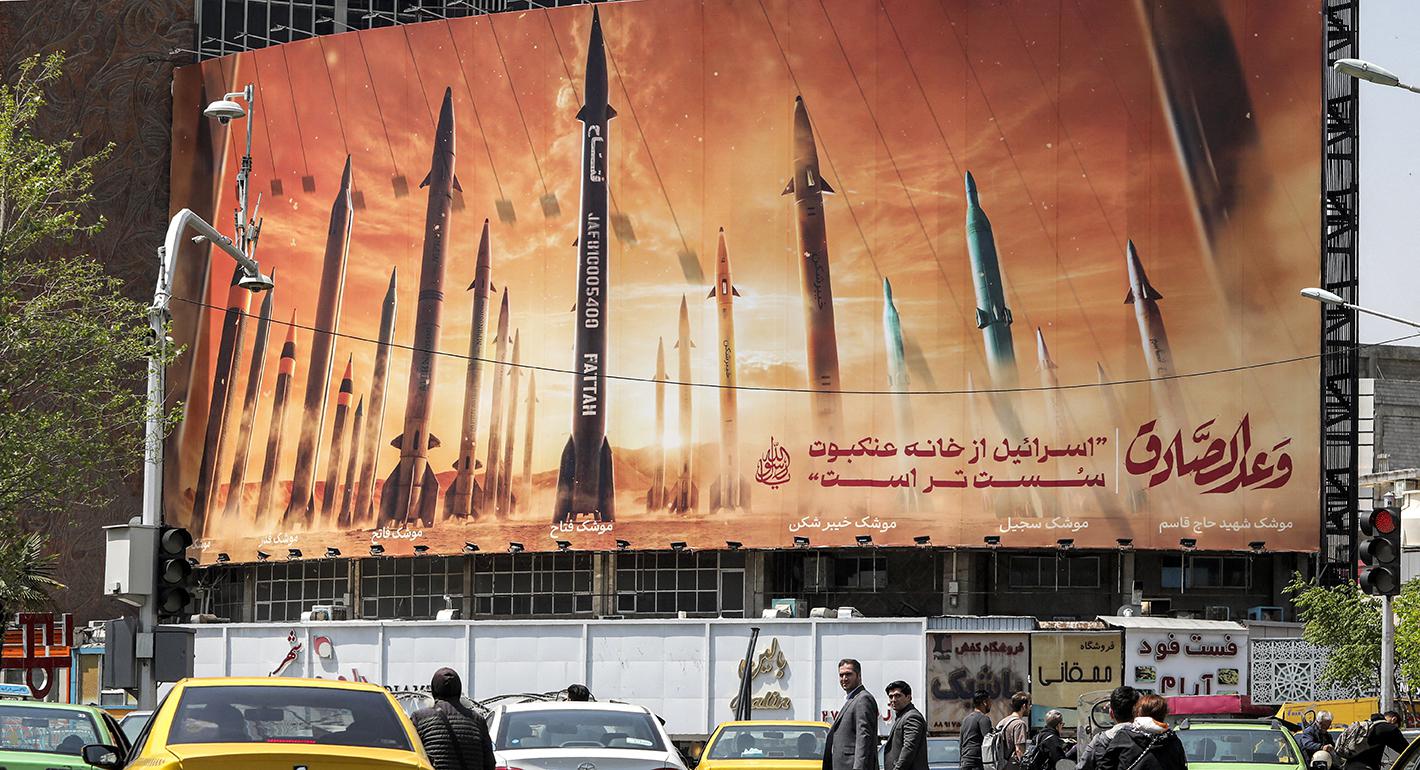
The geopolitical risk here is a "hollow peace." If the agreement focuses solely on nuclear enrichment and ignores the ballistic missile program or the "gray zone" warfare Iran excels at, the conflict won't end. It will simply change shape.
The Economic Necessity of a Settlement
Follow the money. Trump’s motivation is deeply rooted in the American domestic economy. High energy prices are a political liability. If Iranian oil—currently restricted to "dark fleet" shipments to China—legally hits the global market, prices will drop. This provides an immediate win for the American consumer and further complicates Russia’s ability to fund its own war efforts by devaluing global crude.
Furthermore, the American electorate is increasingly isolationist. There is no appetite for a war with Iran, which would be exponentially more complex and costly than the invasions of Iraq or Afghanistan. By negotiating, Trump is attempting to "offshore" the responsibility of regional security to the local players. He wants a Middle East that manages itself, allowing him to pivot American military and economic resources toward the Pacific theater.
The Nuclear Threshold Problem
One cannot discuss Iran without the shadow of the centrifuge. Tehran has enriched uranium to levels that are just a technical step away from weapons-grade material. Any peace deal must address this "breakout time." The previous agreement relied on inspections and remote monitoring. The new proposal reportedly includes a demand for the permanent "decommissioning" of certain hardened sites like Fordow.
For the Iranian leadership, the nuclear program is their ultimate insurance policy against regime change. Giving it up without a permanent guarantee of the Islamic Republic's survival is a massive political risk for the Supreme Leader. The internal politics of Iran are as fractured as those in the U.S. Hardliners in the IRGC see any talk with Trump as a betrayal of the revolution’s core tenets.
The Role of the Shadow Players
Russia and China are the silent observers in this drama. Beijing benefits from a stable Middle East because it is the world's largest importer of oil. They have played the role of the "honest broker" in the past, but a direct U.S.-Iran deal would diminish China's influence in the region. Russia, on the other hand, finds Iranian instability useful. As long as Iran is an international pariah, it remains a dependent military partner for Moscow, supplying the drones and munitions used in Ukraine.
If Trump successfully pulls Iran out of the Russian orbit through a peace deal, it would be a devastating strategic blow to Vladimir Putin. It would isolate Moscow even further and remove one of its few reliable sources of military hardware. This is the "hidden" layer of the negotiations—a move to decouple Tehran from the Russo-Chinese axis.
Challenges to a Lasting Accord
The primary obstacle is trust. The U.S. previously walked away from a signed agreement. Iran has a history of using proxies to create "plausible deniability" for acts of aggression. Breaking this cycle requires more than a handshake; it requires a mechanism for enforcement that doesn't rely on the goodwill of either party.
- Verification: How do you monitor a regime that has spent forty years mastering the art of concealment?
- Sunset Clauses: Will the restrictions on Iran's behavior expire in ten years, or are they permanent?
- Regional Integration: Can Iran be integrated into the regional economy without its ideological baggage causing a rejection?
The "Brutal Truth" is that a total peace is unlikely. What we are witnessing is the pursuit of a "Managed Standoff." It is an attempt to lower the temperature from a boiling point to a simmer. For Trump, this is a win. He gets to claim he stopped a war, stabilized oil prices, and outmaneuvered his domestic critics. For Iran, it is a lifeline.
The danger lies in the details. If the deal is too soft, it emboldens Iran’s hardliners. If it is too hard, it collapses before the ink is dry. The world is watching a high-stakes gamble where the "Art of the Deal" meets the "Persistence of the Revolution."
We are not entering an era of Middle Eastern harmony. We are entering an era where the conflicts are fought with bank accounts and trade agreements instead of missiles and militias. It is a cynical, pragmatic, and entirely necessary shift in strategy. The war might not be "ending" in the traditional sense, but the current model of engagement is definitely dead. The next few months will determine if the replacement is any more stable than the chaos it seeks to resolve.
The focus must now shift to the specific "red lines" that both Washington and Tehran are currently drawing in the sand. These lines are invisible to the public, but they are the only things that matter in the smoke-filled rooms of the backchannel.
Stop looking for a signing ceremony on the White House lawn. Look for the lifting of a specific sanctions waiver or the quiet movement of a tanker fleet. That is where the real peace is being bought.