Geopolitical chess matches rarely play out like Hollywood scripts, but the high-stakes friction between Washington and Tehran pushed international relations into uncharted territory. When high-level diplomatic maneuvers and shifting ceasefire terms dominate global headlines, the surface-level reporting often misses the brutal economic and political realities driving both sides. You need to look past the posturing to understand what is actually happening on the ground.
The Real Motives Behind The Deadlocked Proposals
Diplomacy under maximum pressure rarely yields clean compromises immediately. When reports surfaced about rejected proposals and defiant rhetoric from Iranian leadership, market analysts panicked while political pundits tried to decode every word coming out of the region.
- Economic Strangles: Years of biting sanctions crippled standard trade, forcing Tehran to find alternative routes for oil exports.
- Strategic Leverage: Controlling maritime choke points like the Strait of Hormuz remains the ultimate trump card for regional disruption.
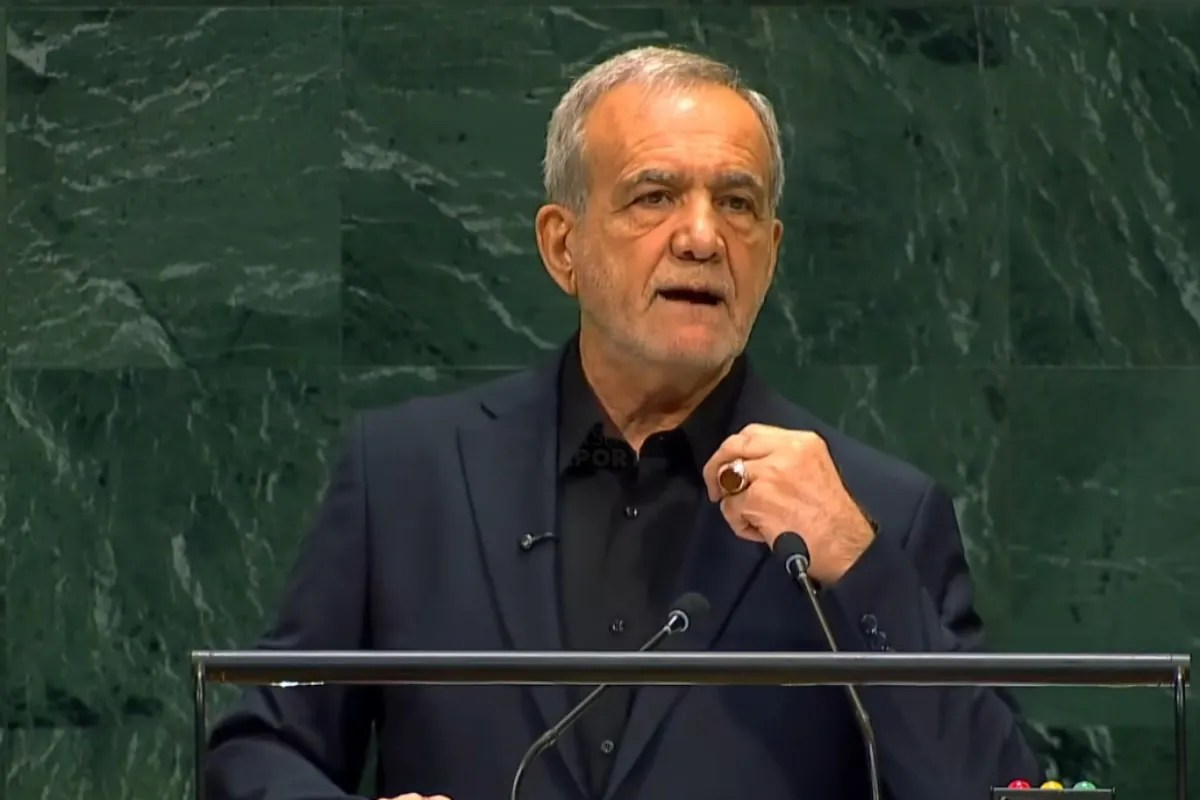
- Domestic Survival: Iranian President Masoud Pezeshkian faced an impossible balancing act between hardline military factions and a starving civilian population desperate for relief.
Ignoring these underlying pressures leads to bad analysis. Leaders don't issue fiery proclamations about fighting until the last breath purely for theatrical value; they do it because backing down too quickly invites internal regime collapse.
Decoding The Washington Strategy
The White House operated under a very specific playbook. By combining aggressive naval positioning with sudden diplomatic overtures, the administration aimed to force an unconditional capitulation on nuclear enrichment.
Standard economic forecasts completely underestimated how resilient shadow-market oil networks could be. Even with severe naval blockades, crude kept leaking out through clandestine tankers, keeping the regime afloat just enough to resist total compliance. When grand bargains stall, it is usually because neither side can afford to look weak to its domestic base.
What Happens Next For Global Markets
Energy traders hate uncertainty more than bad news. Every time a new proposal stalls or a tanker incident flares up in critical shipping lanes, insurance premiums for cargo vessels skyrocket.
If you're watching global supply chains, pay attention to actual maritime traffic data rather than political speeches. The friction points are localized, but the economic shockwaves ripple straight to your local gas station and investment portfolio. Keep a close eye on regional mediation efforts and actual shipping insurance rates to gauge where things are heading next.


