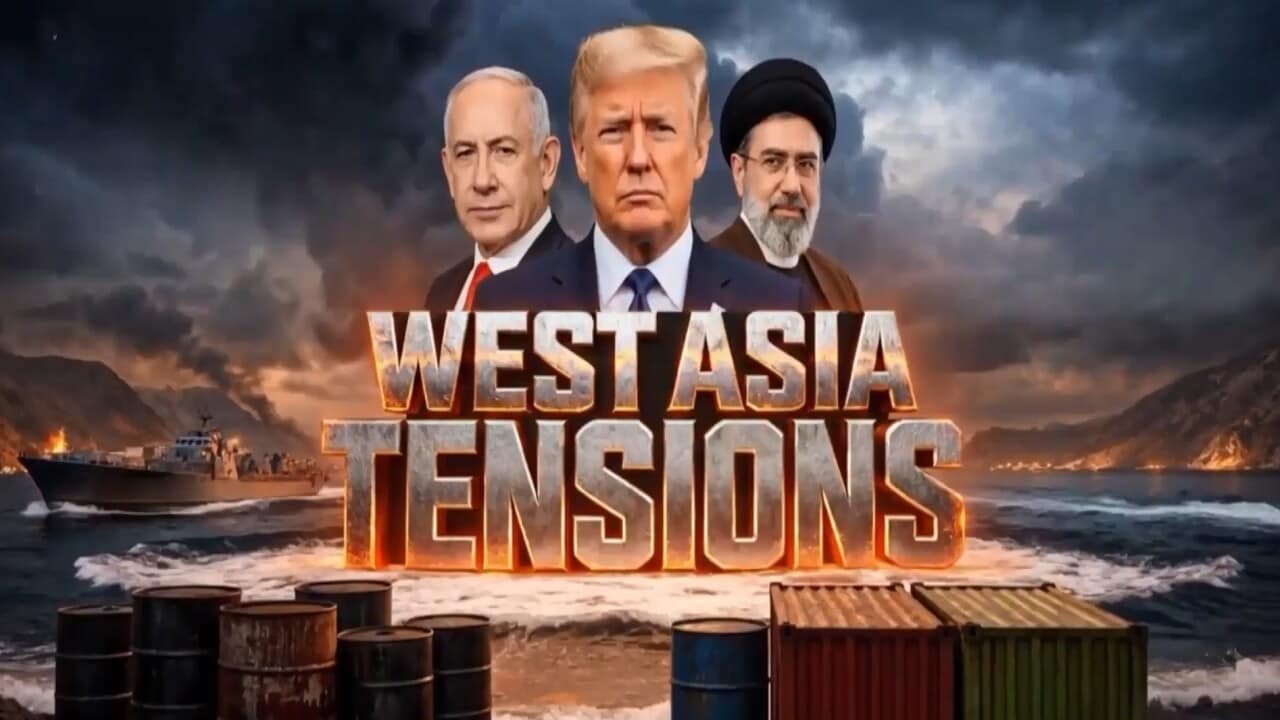
Don't let the headlines fool you. While the skies over West Asia light up with missile exchanges and naval blockades, the real action isn't just on the battlefield. It's happening in quiet diplomatic back channels.
If you're watching the current escalations between the United States, Israel, and Iran, it looks like a full-scale regional collapse. But behind the dramatic military maneuvers, a highly transactional deal between Washington and Tehran is still very much alive. Meanwhile, you can read similar events here: Why India is Upgrading its Balkan Strategy Right Now.
Why? Because Donald Trump wants a deal, and Iran desperately needs one.
The strategic community was recently sent into a spin when former Indian High Commissioner to Pakistan and Observer Research Foundation Distinguished Fellow Ajay Bisaria pulled back the curtain on these talks. The big takeaway is that the current escalation isn't the end of diplomacy. It's the prelude. To explore the complete picture, we recommend the excellent report by Al Jazeera.
The Illusion of Total War
Right now, the public see a naval blockade in the Strait of Hormuz, thousands of US Marines mobilizing, and aggressive rhetoric broadcasting daily from Tehran. It feels like the brink of an irreversible war.
But this is how modern geopolitical negotiations work. You push your adversary to the absolute edge to extract the maximum concessions before sitting down to sign the paperwork. Trump's foreign policy has always relied on this exact playbook: apply maximum military and economic pressure, shake up the status quo, and then swoop in as the ultimate dealmaker.
Iran is playing a parallel game. They launched the Persian Gulf Strait Authority, imposing massive permit fees on shipping transit as a hard leverage point. They're testing thresholds without completely breaking the possibility of a ceasefire.
The core of the proposed framework includes a phased lifting of the US naval blockade on Iranian ports and the release of frozen Iranian funds. In return, shipping volumes through the vital Strait of Hormuz would return to normal levels. The massive sticking point remains Iran's stockpile of highly enriched uranium, but the economic desperation in Tehran means they haven't walked away from the table. Both sides have a high ceiling of demands, yet neither has pulled the plug.
The Truth About Pakistan's Mediation Role
One of the most surprising twists in this 2026 crisis is Islamabad's sudden emergence as the primary diplomatic bridge. When Pakistan's Army Chief General Asim Munir landed in Tehran carrying American truce offers, it raised eyebrows across the globe.
Let's be completely direct here. Pakistan's sudden peacenik routine is a strategic maneuver, not a sudden pivot to global altruism.
Traditional, highly trusted neutral venues like Oman and Qatar were effectively knocked out of the game. Previous rounds of secret talks in Doha and Muscat were compromised when mid-negotiation military strikes hit the region, leaving Iran deeply distrustful of those channels. The US stepped into this diplomatic vacuum and pulled Pakistan in under the US Central Command (CENTCOM) framework.
It's a highly transactional relationship. The Pakistani military establishment cultivated deep ties with the Trump administration to secure its own domestic position and economic lifelines, leveraging everything from cryptocurrency initiatives to critical mineral access. Delivering a diplomatic channel to Iran makes them temporarily indispensable to Washington.
As Bisaria rightly pointed out, Islamabad is acting primarily as a messenger for an American maneuver. The actual draft tweets and messaging guidelines are frequently dictated straight from Washington. Pakistan has incredibly limited long-term leverage over Tehran, especially given their own volatile border history and recent missile exchanges. It's a useful side channel for the White House because it keeps communications open while the US military prepares for any contingency, but it shouldn't be mistaken for independent geopolitical weight.
Why New Delhi Is Staying Out of the Fray
With Pakistan grabbing headlines as the regional intermediary, a lot of analysts in New Delhi are asking whether India is getting sidelined in West Asia.
The short answer is no. India is deliberately playing a longer, smarter game.
India's current policy is explicitly to stay out of this specific, messy round of transactional diplomacy. Getting involved right now would mean stepping into a diplomatic minefield where the major players are constantly shifting goalposts and trading military strikes mid-talk. It's a diversionary tactic that offers New Delhi zero strategic upside.
Instead, India is focusing on its own robust regional footprint. Ever since the military lessons of past border skirmishes, India has established a clear posture of assured kinetic response to direct threats while maintaining stable, institutional relationships with Gulf powers like Saudi Arabia and the UAE.
While Pakistan scrambles to please its various political godfathers in Washington, Beijing, and Riyadh, India's economic and strategic ties with the Middle East remain grounded in trade, energy security, and technology. You don't need to be the courier delivering letters to be a critical stakeholder in the region's ultimate stability.
What Happens When the Deadline Hits
The clock is ticking loudly. With a critical ceasefire deadline looming alongside major global events like the FIFA World Cup in North America, the pressure to formalize a pause in hostilities is immense.
Trump's calendar is packed, including upcoming high-profile diplomatic summits in China where he wants to negotiate from a position of total global strength. He doesn't want an open-ended, chaotic war draining American resources in West Asia when his main strategic focus is competing with Beijing.
Don't panic when you see the next round of aggressive headlines or localized military strikes. Expect both Washington and Tehran to keep turning up the heat right until the final hour. The escalation isn't proof that the deal is dead; it's the chaotic, dangerous process of two bitter adversaries trying to rewrite the final terms in their favor.
For those tracking global markets and energy security, the smartest move right now is to watch the actual movement of naval assets and the specific wording of Treasury sanctions exemptions, rather than the political rhetoric. The path to a framework agreement is incredibly messy, but the structural incentives for both sides mean the back channels will keep running.
The situation in West Asia is moving fast, and understanding the subtext behind the headlines is critical for navigating the shifting global landscape. To see a detailed breakdown of how these specific back channels operate and why traditional neutral mediators were replaced, take a look at this analysis of the strategic moves changing the region.
Ajay Bisaria analysis on Pakistan's US-Iran mediation efforts
This video provides an expert perspective from Ambassador Ajay Bisaria on why the current diplomatic setup is being used by Washington as a tactical tool during active regional escalations.


