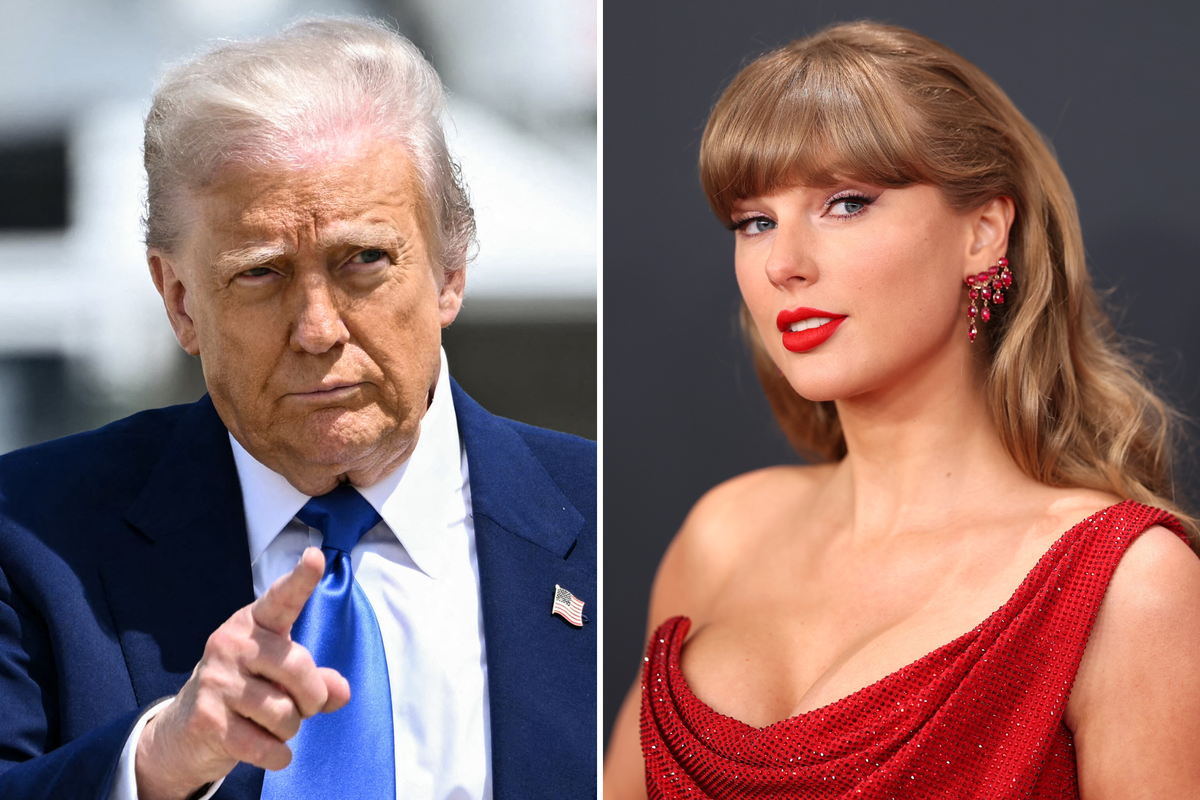
When the Trump campaign rolled out a brand-new T-shirt mimicking Taylor Swift’s iconic Eras Tour merchandise, they expected a massive fundraising win. Instead, they walked straight into a public relations buzzsaw. The $45 white tee featured a grid of Donald Trump photos styled exactly like Swift's colorful tour poster. It was supposed to appeal to "Swifties for Trump."
Instead, the internet chose chaos.
Within minutes of the merch drop, critics weaponized the design against the former president. Rather than debating policy, social media users hijacked the narrative by flooding timelines with relentless reminders of Trump’s historic ties to disgraced financier Jeffrey Epstein. The swift and brutal pivot from campaign apparel to internet trolling proves once again that trying to co-opt pop culture can blow up in your face.
The Design That Started the Internet War
The controversial shirt didn't drop in a vacuum. It arrived right after Taylor Swift officially endorsed Kamala Harris following the September presidential debate. In what looked like a swift retaliatory strike, the Trump campaign posted an ad on X urging fans to buy the "Trump Era shirt."
The design didn't just hint at Swift’s aesthetic. It ripped it off completely.
The original Eras Tour merchandise uses a distinct three-by-three grid. Each square features a photo of Swift from a different musical era, bathed in a unique color filter. The campaign version replaced Swift’s face with images of Trump throughout his political career, complete with the signature "Make America Great Again" slogan in bold text at the bottom.
For the MAGA campaign, it was a play for cultural relevance. For Swifties and political opponents, it was an open invitation to mock the candidate.
Why the Jeffrey Epstein Trolling Took Over
The backlash turned dark fast. Internet commentators didn't just call the shirt unoriginal. They noticed a glaring irony. One of Swift’s most famous tracks on her Midnights album is titled "Bejeweled," which contains the fan-favorite lyric, "It's been a long time coming."
Detractors flipped that exact phrase on its head. They flooded the comment sections under the merch announcement with old photographs of Trump hanging out with Jeffrey Epstein and Ghislaine Maxwell from the 1990s and early 2000s.
"Long time coming," multiple viral posts read, attaching unredacted flight logs and images of the men at Mar-a-Lago events.
The trolling cut deep because the Epstein connection remains a highly sensitive topic for the campaign. By trying to look hip and digital-savvy with pop music references, the campaign accidentally provided a massive billboard for their opponent's favorite talking points. Critics used the grid format of the shirt to create their own parody versions, replacing the campaign photos with images tracking Trump's history with high-society figures who later faced federal charges.
The Legal and Cultural Risks of Copypasting Pop Stars
Stealing the visual identity of the biggest pop star on earth is a risky legal gamble. Swift’s team is notoriously protective of her brand, trademarks, and intellectual property. When the shirt went live, thousands of fans tagged Swift’s longtime publicist, Tree Paine, demanding a cease-and-desist letter.
This wasn't even the first time the campaign clashed with Swift over imagery. Weeks prior, Trump shared AI-generated images on Truth Social depicting Swift as Uncle Sam with the caption "Taylor wants you to vote for Donald Trump." Swift later cited those exact deepfakes as the driving force behind her decision to publicly back the Democratic ticket. She stated that the simplest way to combat misinformation was with the absolute truth.
For brands and political operations alike, the lesson here is simple. Don't touch an artist's intellectual property unless you want their fan base to dismantle your message block by block. Pop fanbases aren't just consumers. They are highly organized digital armies capable of shifting a narrative in seconds.
If you are running a campaign or building a brand, stick to original creative assets. Borrowing a visual style from a celebrity who openly opposes your message will never end well. The moment you use a competitor or adversary's style, you hand them the keys to the conversation. Instead, invest in distinct, authentic designs that focus on your core message rather than reacting to what is trending on celebrity Instagram feeds.
Trump campaign launches Taylor Swift style merch
This video report tracks the immediate fallout and design similarities when the campaign launched the lookalike shirt following the pop star's high-profile political endorsement.