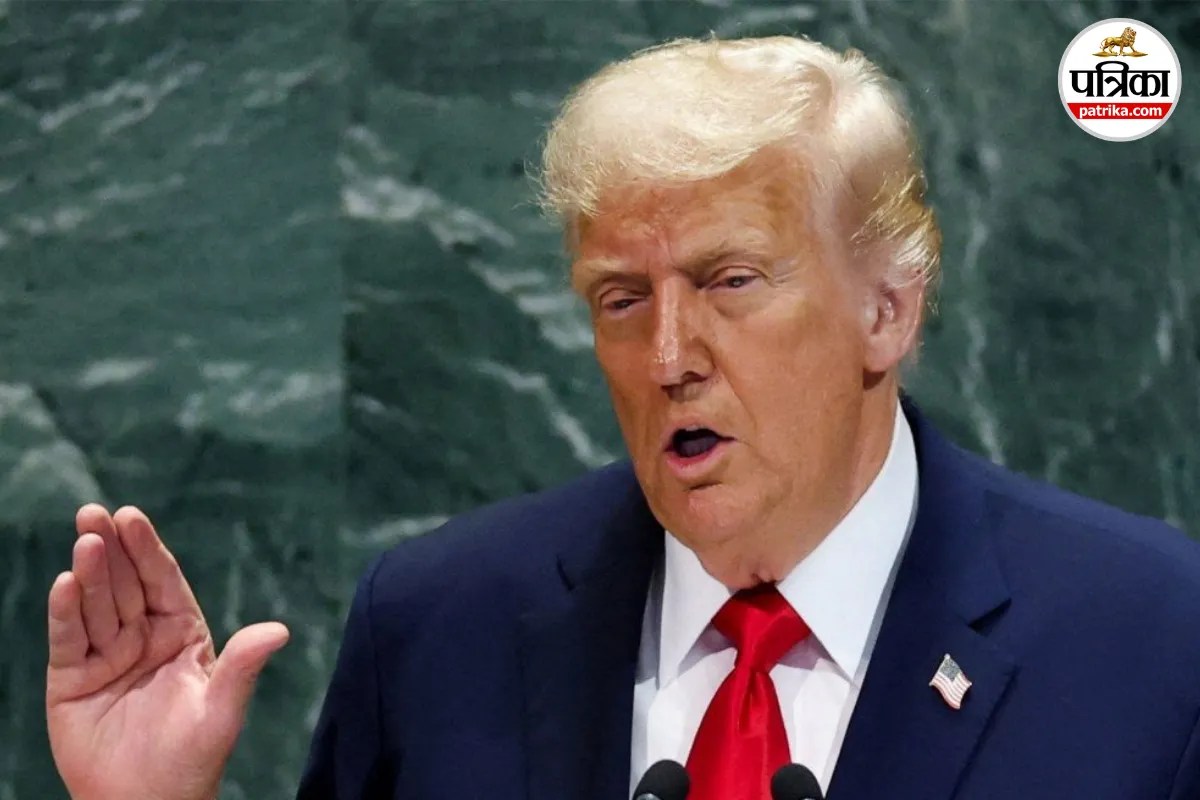
Donald Trump doesn't do quiet diplomacy. You don't get behind-the-scenes hand-wringing or carefully worded State Department memos. Instead, you get raw, unfiltered fury broadcast directly to the world.
That's exactly what happened when Israeli airstrikes hit the Dahiyeh district of Beirut. The timing couldn't have been worse. The US was on the absolute precipice of signing a massive, historically complex preliminary peace deal with Iran. Trump expected the electronic signatures to drop within hours. Then, the bombs started falling in Lebanon, killing three people and sending thick black smoke over the capital. Also making news in this space: The Rawalakot Blindspot Why the Media Misreads the Real Economic Rebellion in PoJK.
Trump didn't hide his rage. In a series of blistering statements on Truth Social and direct phone calls leaking out to reporters, he put Israeli Prime Minister Benjamin Netanyahu on blast.
"Bibi has no f***ing judgment," Trump reportedly told Axios reporter Barak Ravid, furious that a single military strike threatened to blow up months of intense backroom negotiations. Additional details on this are detailed by The Washington Post.
If you think this is just standard wartime rhetoric, you're missing the bigger picture. This is a fundamental clash of survival strategies between Washington and Tel Aviv. Trump needs this deal to rescue a global economy battered by the closure of the Strait of Hormuz. Netanyahu is fighting a brutal re-election campaign and views any compromise with Tehran as a historic surrender.
The Special Day That Almost Fell Apart
The deal on the table isn't a permanent fix for everything wrong in the Middle East. It's a 60-day temporary framework negotiated with the help of regional mediators like Pakistan. But the immediate stakes are enormous.
Under the terms of the memorandum of understanding, Iran agrees to reopen the critical Strait of Hormuz. They'll spend the first 30 days clearing their own mines. They won't charge transit tolls. In exchange, the US will lift its naval blockade on Iranian ports and grant a temporary waiver allowing Iran to sell oil. It's a pragmatic, economy-first trade-off. Trump needs those global energy prices to drop before the November midterm elections.
Then came Sunday morning. Hezbollah fired three projectiles into northern Israel. Nobody was hurt. No infrastructure was destroyed. But Netanyahu used it as immediate justification to send fighter jets straight into Beirut.
Trump saw right through the escalation. He took to Truth Social to minimize the initial Hezbollah provocation and maximize his public scolding of Israel.
"Israel has the right to defend itself against threats, but the attack it was responding to was very small and meaningless, nobody was hurt, injured or killed and should not disrupt this important process. This morning's attack on Beirut should not have happened, particularly on a special day when we are so close to a peace deal with Iran."
Trump went even further, laying down a brand-new red line that shocked Israeli officials. He demanded that Israel halt attacks not just in Beirut, but anywhere in Lebanon.
Why Israel Sidelined From Its Own Fate
The real reason for the friction is that Netanyahu feels backed into a corner by his closest ally. Israel has been largely sidelined in these negotiations. The talks have been driven by Trump, Pakistani Prime Minister Shehbaz Sharif, and Omani intermediaries.
The Israeli defense establishment is looking at the draft of this agreement with absolute horror. Hardline Israeli analysts are calling it a colossal failure. Why? Because the 60-day framework doesn't force Iran to dismantle its ballistic missile arsenal. It doesn't force them to cut off funding to Hezbollah or the Houthis. It basically hits the pause button on the war while giving Iran immediate economic oxygen through oil sales.
Netanyahu and Defense Minister Israel Katz issued a defiant joint statement on Sunday, declaring that "Israel will not tolerate firing into its territory." They're trying to signal to their own voters that they won't let Washington dictate their security parameters.
But Trump's team is pushing forward anyway. US Secretary of War Pete Hegseth went on national television to reassure the public that the deal is still entirely on track. He called Israel's response "measured," trying to smooth over the cracks, but the damage to the relationship was already done.
The Iranian Trap
Tehran knows exactly how to play this game. Following the Beirut strike, Iran's top national security officials immediately went on the defensive, publicly questioning whether Trump actually has the power to control his ally.
Mohammad Bagher Ghalibaf, Iran's parliamentary speaker, noted on X that the strikes prove America either lacks the will to fulfill its commitments or the ability to rein in Netanyahu. It's a brilliant diplomatic squeeze play. By painting Netanyahu as an uncontrollable rogue actor, Iran places the burden entirely on Trump to police the Israelis if he wants the Strait of Hormuz open.
There's deep skepticism among veteran diplomats about whether a deal like this can hold for 60 minutes, let alone 60 days. The landmark 2015 nuclear deal took years of agonizing, multi-lateral negotiations. Trump thinks he can patch up a fractured Middle East with an electronic signature and a few phone calls.
What Happens Next
Don't expect Netanyahu to suddenly stop targeting southern Lebanon. Israeli troops have pushed their ground invasion deeper into Lebanese territory than at any point in the last 25 years. They aren't going to pack up and leave just because Trump wants a smooth media cycle.
If you are watching this conflict develop, forget the official diplomatic press releases. Watch the oil tankers. The real test of this deal won't be whether Trump and Netanyahu stop cursing at each other behind closed doors. It will be whether the first commercial ships successfully pass through the Strait of Hormuz without hitting an Iranian mine or an Israeli drone strike.
Trump wants to prove his deal-making style works where traditional diplomacy fails. Netanyahu wants to ensure his political survival by refusing to back down. One of them is going to have to blink first, and based on Trump's latest outburst, he has no intention of letting Israel ruin his signature moment. Expect the US to apply immense financial and military pressure on Tel Aviv over the next 48 hours to force a public commitment to the ceasefire.