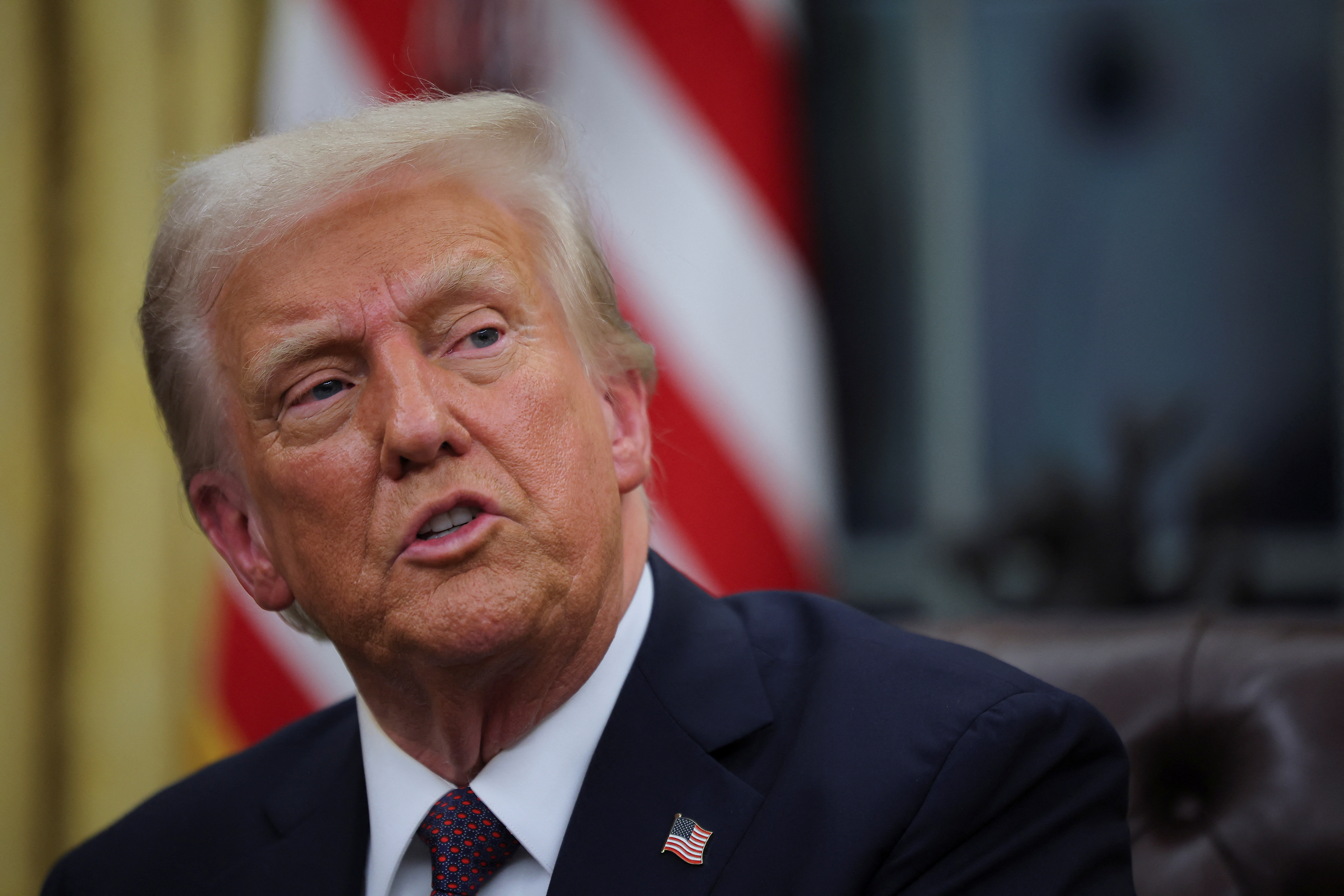
You’d think the Commander-in-Chief of the world’s most advanced military wouldn’t need midjourney-style graphics to make a point. Yet, here we are. Donald Trump recently took to Truth Social to drop a bizarre batch of artificial intelligence-generated images, showcasing imaginary American strikes on Iran's Kharg oil terminal and a staged seizure of an Iranian oil tanker.
The posts arrived right on the heels of a tense strategic debate. Pentagon officials had quietly warned that weeks of heavy bombing campaigns were burning through pre-selected targets and draining stockpiles. Trump fired back in an interview with the Wall Street Journal, insisting the United States possesses "far more munitions than anyone in the world, and far more than we need." Then came the digital art. It's a surreal clash between traditional geopolitical posturing and modern internet meme culture, signaling a weird new era of digital warfare messaging.
The Reality Behind the Weapon Stockpile Debate
Let's look past the digital art for a second. Is the US actually running low on high-end munitions, or is this just standard political friction between the White House and military brass?
Military analysts know that high-intensity air campaigns chew through precision-guided inventory at a terrifying rate. During intense conflicts, the replacement pipeline for complex missile systems cannot match the speed of daily launches. When anonymous defense officials leak concerns about dwindling inventory or running out of viable targets, they're usually trying to pump the brakes on escalating engagements.
Trump’s public counter-stance—claiming the cupboard is more than full—serves a distinct purpose. It projects absolute strength. But broadcasting that message using synthetic visuals creates a strange disconnect. You claim you have infinite weapons, yet you choose to illustrate your military might with AI-generated fighter jets and photoshopped oil tankers bearing captions like "It's Our Oil Tanker Now!"
Why Synthetic Imagery is Becoming the New Foreign Policy Tool
We've moved past traditional press releases and stoic televised addresses. Political communication now treats social media feeds like a battleground for attention span.
When a politician posts an AI-generated graphic of a war zone, two things happen instantly. First, it bypasses traditional journalistic gatekeepers, landing raw, unvetted visual propaganda directly onto millions of phones. Second, it shifts the news cycle away from uncomfortable logistical questions—like actual supply chain bottlenecks or congressional spending approvals—and pivots back to pure spectacle.
Think about the specific images shared. One featured fighter jets swarming the Kharg oil export terminal, a crucial bottleneck for Iranian crude. Another placed Trump himself aboard an oil tanker flying an American flag, flanked by troops and fleeing crew members. These aren't classified operational briefs. They are digital cartoons designed to elicit instant emotional reactions, whether outrage, amusement, or fear.
What This Means for Future Escalations
Using synthetic media to communicate military threats crosses a strange boundary in modern statecraft. It blurs the line between actual strategic deterrence and digital trolling.
If foreign adversaries start responding to official policy threats with internet memes and generated graphics, crisis management gets messy. Miscalculation thrives in environments where serious military actions are packaged alongside obvious internet fakes. When leaders treat conflict visualization like social media engagement bait, the gravity of actual war gets lost in the digital noise.
The weapon stockpile debate matters. The safety of shipping lanes in the Strait of Hormuz matters. But when the loudest signal coming from the top is a fake picture of a missile strike, the real crisis isn't just geopolitical—it's a total breakdown in how we communicate reality.