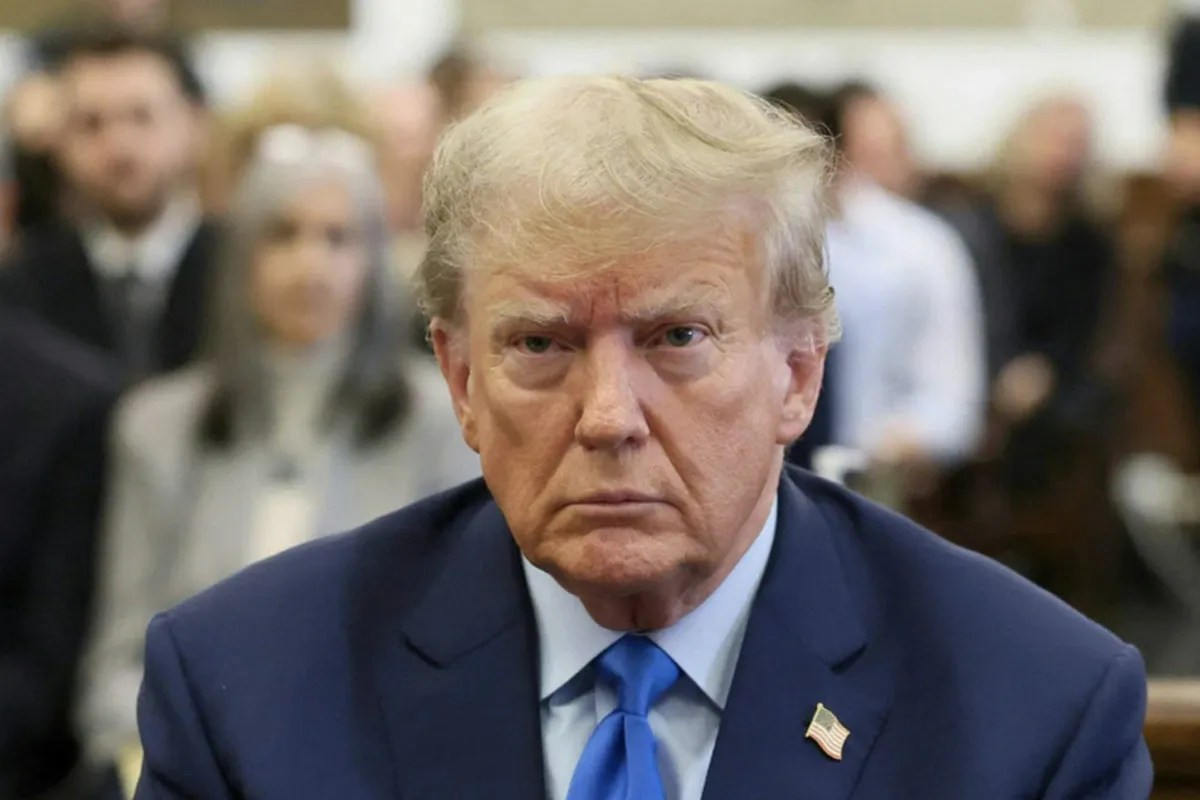
"I will be in office after the elections and I will never forget."
That warning from U.S. President Donald Trump landed in mid-October 2026 as Houthi drones and missiles rained down on Saudi airports, oil hubs, and border cities. He accused Yemen's Houthi rebels of acting viciously and trying to drive up global oil prices right before the American midterm elections.
If you're watching the Middle East right now, you know this isn't just a routine flare-up. It's a collision of domestic U.S. politics, spiking energy costs, and a brutal regional war that's spilling across borders.
Why Houthi Attacks on Saudi Arabia Hit a Raw Nerve in Washington
Politically, oil prices are a trapdoor for any president.
Heading into the 2026 U.S. midterms, Brent crude had already crossed $100 a barrel amid the wider conflict involving Iran, pushing U.S. pump prices past $4.30 a gallon. Every missile or drone aimed at Saudi airports or Eastern Province energy corridors threatened to choke supply chains even further.
Trump's argument was blunt. He claimed the Houthis were trying to rattle energy markets before voters went to the polls, and he reminded the group that his term wouldn't end on election night. He also pointed a finger at Iran, arguing Tehran was egging the fighters on.
Here's what a lot of surface-level news clips miss, though. The Houthis aren't acting purely as puppets on a string. Yes, Iran has backed them and regional tensions are tangled up with the broader war with Iran, yet the Houthis have their own local incentives—including grinding offensives inside Yemen and pressure along the Red Sea and Bab el-Mandeb corridor. Blaming everything on election-week oil manipulation makes for a punchy line. Strategically, the conflict is messier.
What Actually Happened on the Ground in Saudi Arabia and Yemen
Airports took a beating.
In mid-October, reports tracked a wave of strikes hitting five Saudi airports, with Riyadh's King Khalid International Airport struck multiple times and temporarily disrupted. Flights were canceled, schools in Riyadh briefly shifted online, and international carriers pulled back or paused schedules.
Let's look at the human cost because numbers tell a sobering story. Saudi authorities reported more than two dozen deaths since September from Houthi attacks—including over twenty people killed in airport strikes—alongside hundreds of injuries. Inside Yemen, renewed ground fighting and airstrikes since late summer have displaced over 330,000 people and caused thousands of casualties, according to international tracking and local reports.
Misconceptions That Trip People Up
When headlines get loud, people tend to oversimplify. Let's clear up three common misunderstandings:
- Myth one: A single presidential warning stops drone and missile launches. Threats from Washington get headlines, yet cheap drones, cruise missiles, and ballistic projectiles are hard to deter with rhetoric alone. Even after Trump's post-election warning, air defenses continued intercepting threats aimed at Riyadh and southern regions.
- Myth two: Saudi air defenses catch everything without a scratch. Patriot batteries and coalition interceptors shoot down plenty of incoming threats. Still, falling debris, shrapnel, and occasional hits can cause casualties, damage property, and spook airlines into halting flights.
- Myth three: This is a brand-new feud. Saudi Arabia and the Houthis have been locked in bitter conflict since 2015. What changed in 2026 is the collapse of fragile calm and the way fighting in Yemen collided with wider Gulf and Strait of Hormuz tensions.
Where Things Stand After the Midterms
Election day came and went, and the fireworks didn't magically stop.
By mid-November 2026, Saudi-led coalition forces were still reporting missile and drone interceptions over Riyadh and southern areas, while trading strikes with Houthi positions in Yemen. Analysts and regional observers have noted that Riyadh faces a tough bind: push hard militarily to gain leverage, or pursue a negotiated settlement that doesn't look like surrender. Meanwhile, reports indicate Saudi officials are bracing for the possibility that hostilities could drag well into 2027.
Honestly, if you're waiting for a quick tidy resolution, you're gonna be disappointed. Regional rivalries, maritime chokepoints, and domestic politics in multiple capitals keep pulling everyone back into escalation.
Practical Next Steps If You're Tracking This Crisis
- Follow primary operational updates, not just viral quotes. Check wire reports and defense trackers like FDD's Long War Journal or Associated Press to separate verified interceptions from unconfirmed claims.
- Watch energy and aviation indicators together. Oil benchmarks like Brent crude, shipping advisories around the Strait of Hormuz and Red Sea, and airline route suspensions give a clearer read on real-world risk than social media posts alone.
- Verify casualty and displacement figures. Because warring sides frequently dispute numbers, cross-check reports against humanitarian trackers such as the International Organization for Migration (IOM).
Staying grounded in verified facts—and watching how post-election policy actually plays out on the ground—is the smartest way to read what comes next.



