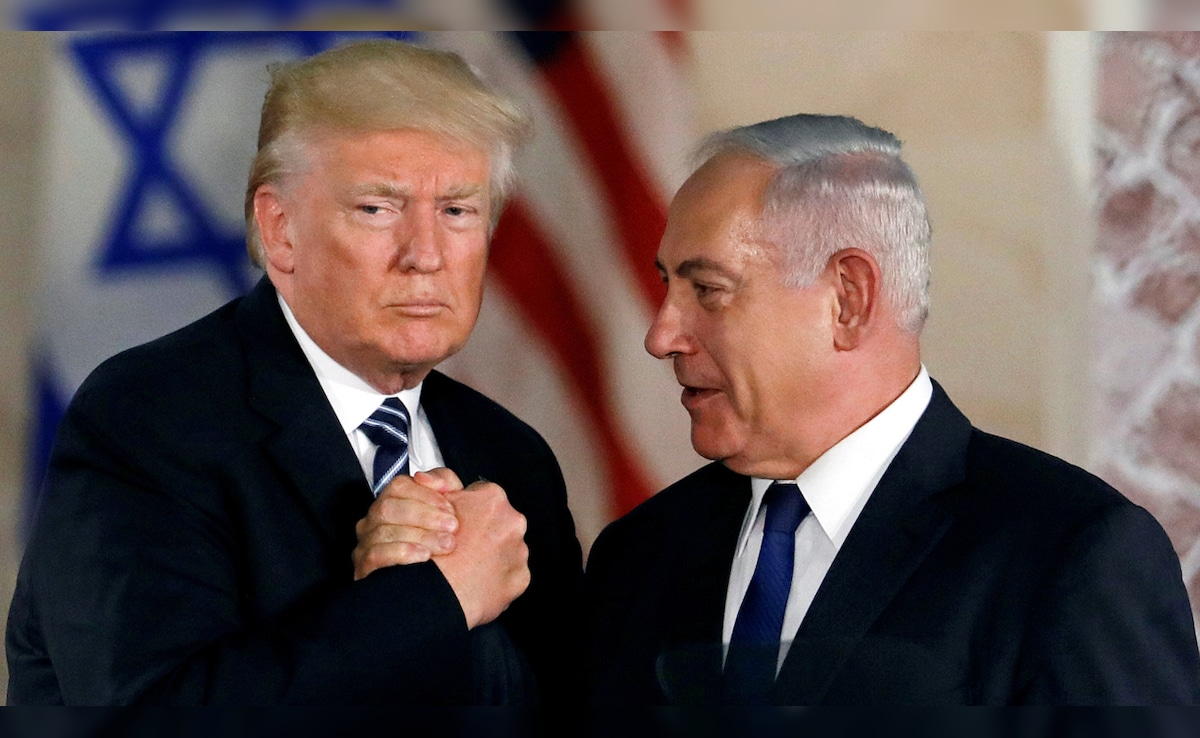
Donald Trump doesn’t like losers, and right now, Benjamin Netanyahu is looking like a liability he can't afford. For years, the two have performed a choreographed dance of mutual benefit—the "Art of the Deal" meeting the "King of Israel." But the 2026 reality is a lot messier than the campaign rallies of the past. If you think the bond between these two is unbreakable, you haven’t been paying attention to how Trump treats underperforming assets.
The cracks are visible. Despite the glitzy New Year’s Eve photos from Mar-a-Lago, the underlying friction over the Gaza "Board of Peace" and the expanding war with Iran is reaching a breaking point. Trump wants quick, televised victories. Netanyahu, bogged down by domestic survival and a "slow-walking" approach to reconstruction, is providing anything but.
The Problem With Staying Too Long
In the business world Trump comes from, when a partner stops delivering, you cut them loose. Netanyahu has survived longer than almost any world leader, but his current strategy is essentially a massive bill that Trump is being asked to foot.
Recent Pew Research data shows a brutal shift: 60% of Americans now hold an unfavorable view of Israel. More importantly for Trump, 59% have little to no confidence in Netanyahu’s handling of world affairs. For a president obsessed with ratings and public sentiment, these aren't just numbers—they're a warning. Trump sees a partner who is dragging down his own brand.
- The Gaza Quagmire: Trump’s 20-point peace plan, launched with much fanfare, is stuck in Phase II. While Trump wants a "technocratic, apolitical" committee to run Gaza, Netanyahu’s government is resisting any move that looks like a concession.
- The Iran Overreach: The joint strikes on Tehran in early 2026 were supposed to be a "swift and decisive victory." Instead, the U.S. is now embroiled in a conflict without clear bipartisan support or an exit strategy.
- The Financial Drain: There's a growing movement, even within pro-Israel circles like J Street, to wind down the $4 billion annual subsidy. Trump, who hates "bad deals" where the U.S. pays for everyone else’s defense, is listening.
Trump Does Not Do Equal Partnerships
Netanyahu has spent a decade treating the U.S. presidency like a tool in his own political toolbox. He pushed for the 2018 embassy move, the Soleimani assassination, and the 2025 bombing of Iranian nuclear sites. For a while, their interests aligned.
But 2026 is different. Trump has enormous leverage, and he’s starting to use it. When Trump says the war ends, he expects the phone to be hung up immediately. Netanyahu’s tendency to "double-down" to satisfy his far-right coalition in the Knesset is direct defiance of the "Commander-in-Chief" persona Trump projects.
Netanyahu is currently riding high in Israeli polls—hitting a 74% trust rating among the Jewish public following the assassination of Iranian leadership. He’s in his strongest domestic position since 1996. This makes him dangerous to Trump because a popular Netanyahu is a Netanyahu who doesn't take orders.
The Illusion of Loyalty
Don’t confuse photo ops for friendship. Trump’s "loyalty" is a one-way street paved with results. We’ve seen this before with Rex Tillerson, Mike Pence, and a dozen others. If Netanyahu becomes the face of an "unpopular U.S. war," as the latest Washington Post analysis suggests, he’ll be treated like a failed apprentice.
Trump is already signaling he's open to talks with Iran to reopen the Strait of Hormuz. He’s looking for the exit sign. Netanyahu is looking for a legacy. These two goals are no longer compatible.
What Happens When the Deal Dissolves
If you're watching this from the outside, the "breakup" won't look like a formal press release. It'll look like a series of "truth" posts and leaked frustrations. It’ll look like the U.S. withholding specific munitions or suddenly finding "common ground" with Arab Gulf states that want the war to end.
Netanyahu thinks he’s the senior partner because he’s been in the game longer. Trump knows he’s the one with the checkbook.
- Watch the Gaza Reconstruction: If Netanyahu continues to block the "Board of Peace" from taking over governance, expect a public rebuke from the White House.
- Follow the Hormuz Deadline: If the April 6 deadline for Iran to reopen the Strait passes without a massive U.S. escalation, it means Trump has chosen de-escalation over Netanyahu’s "regime change" dreams.
- Monitor the Subsidy Talks: Any shift in the $4 billion military aid package is the ultimate "get out" signal.
The biggest mistake Netanyahu is making is believing he’s indispensable. In the world of the current administration, nobody is. Netanyahu has turned from a strategic asset into a political liability, and the "worst deal" is about to be terminated.
Stop waiting for a return to the 2017 honeymoon. That marriage is over; they're just fighting over the furniture now. If you want to see where this goes next, look at the polling in the swing states, not the halls of the Knesset. Trump will follow the voters, and the voters are tired of this war.