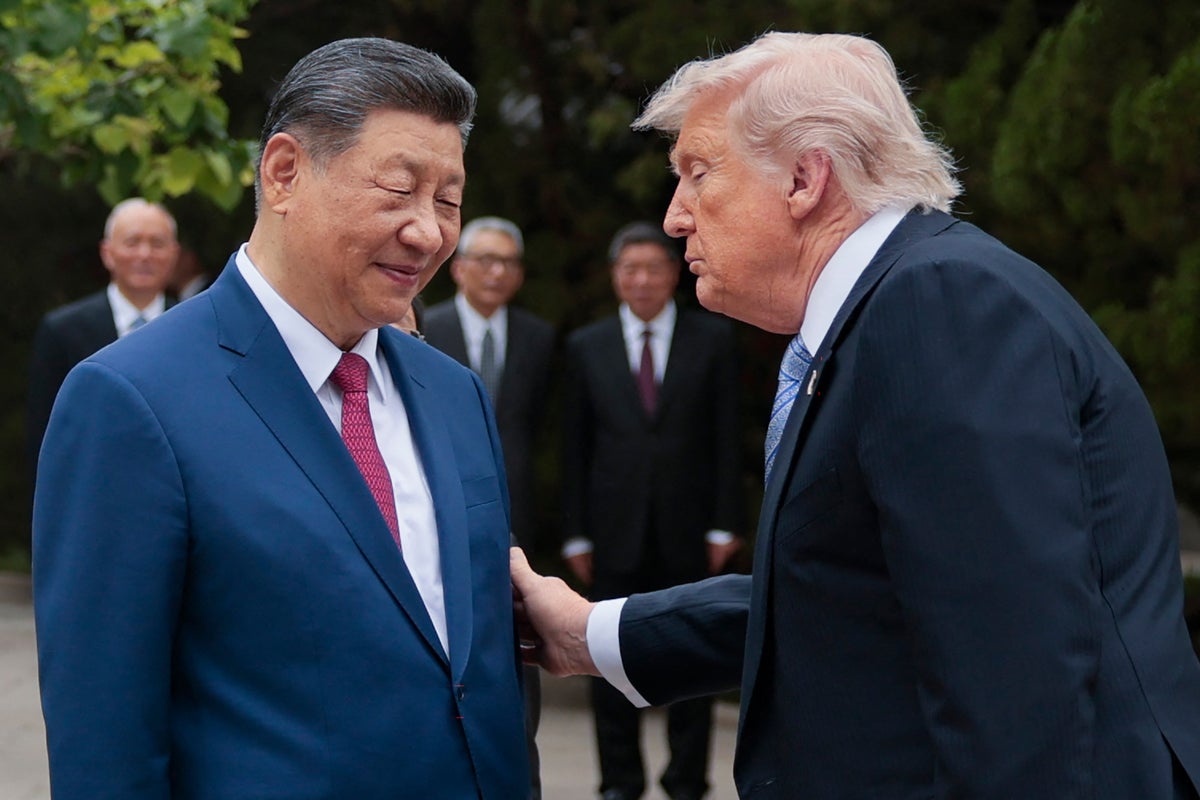
Donald Trump just left Beijing, and the Strait of Hormuz is still effectively a no-go zone. If you were hoping the much-hyped Zhongnanhai summit would finally kill the 2026 energy crisis, you’re out of luck. The two most powerful men on the planet spent two days together, walked through manicured gardens, and essentially agreed that they both hate the current situation—but they couldn't agree on who should fix it.
The Iran war is officially in a state of limbo. Washington and Tel Aviv have been pounding Iranian targets since February, but the "quick victory" Trump predicted hasn't happened. Instead, we’re stuck in a grinding stalemate where Iran has used its one remaining card—closing the world’s most important oil artery—to keep the global economy over a barrel.
The fundamental disagreement over who cleans up the mess
Trump went into this meeting with a clear goal: get Xi Jinping to lean on Tehran. China is the biggest buyer of Iranian oil. Trump’s logic is simple: if China stops buying, Iran stops fighting. It sounds like a great plan on paper. In practice, it crashed into a wall of Chinese strategic interests.
The Chinese side sees this war as a mess of Washington's making. While the U.S. wants China to be the "responsible stakeholder" and force Iran to the table, Beijing isn’t interested in doing America's dirty work for free. There’s a saying in Beijing right now that’s circulating among senior fellows like Zhou Bo: "Why should I clean your mess?" That sentiment was the invisible guest at every dinner during the summit.
Xi did offer some concessions. He reportedly gave Trump written assurances that China won't send new air defense systems to Tehran. That's something, but it's a far cry from the total economic strangulation Trump needs to force a regime collapse or a total nuclear surrender.
Why the Strait of Hormuz remains the ultimate leverage
You can’t talk about this war without talking about the price of gas. Iran’s blockade of the Strait of Hormuz has caused the single biggest disruption to global energy supplies in history. Trump claims he has "Iran very much under control," but his own Treasury Department knows that’s a stretch.
- The U.S. Blockade: Washington has its own blockade of Iranian ports, trying to starve the regime of cash.
- The Iranian Counter: Tehran has largely shut the Strait to everyone except their own tankers.
- The Result: Global oil markets are in a tailspin, and China is feeling the pinch just as much as the West.
Interestingly, Trump argued during the summit that the closure hurts China more than the U.S. because America is energy independent. He’s right, but only partially. Even if the U.S. doesn't need Iranian oil, a global recession triggered by $200-a-barrel prices would wreck the American export economy. Xi knows this. He’s betting that Trump will eventually blink and offer bigger concessions—like lifting those 145% tariffs—in exchange for China reopening the shipping lanes.
The nuclear freeze that isn't happening
During his Fox News interview after the summit, Trump floated the idea of a 20-year nuclear freeze. He basically said he’s open to a deal where Iran keeps some infrastructure but promises not to touch it for two decades. Tehran’s response was a swift "no." They don’t want a freeze; they want reparations for the bombing campaign and the lifting of every single sanction.
This is the "limbo" the headlines are talking about.
- The U.S. won't stop bombing until the nuclear program is gone.
- Iran won't stop the blockade until the bombing stops and the money starts flowing again.
- China won't intervene because they like having the U.S. distracted in the Middle East.
It’s a classic three-way standoff where nobody wants to move first.
What this means for your wallet and the world
If you’re waiting for a diplomatic breakthrough to lower prices at the pump, don't hold your breath. The failure of the House of Representatives to pass a War Powers Resolution this week shows that Trump still has the political backing at home to keep this going, even if it's by a single vote.
The strategy now seems to be "managed rivalry." Trump and Xi are keeping the lines open to prevent a direct U.S.-China shoot-out, but they aren't going to be partners in peace. They’re competitors who just happened to share a meal while the Middle East burns.
Immediate takeaways for the coming weeks
- Watch the "Board of Trade": Trump announced a new group to oversee trade implementation. This is the real "carrot" he’s dangling for Xi. If trade picks up, Xi might actually pressure Tehran.
- Expect more "shadow" shipments: Trump already hinted that the Navy intercepted a Chinese vessel carrying a "gift" for Iran. Expect more of these maritime tensions as China tests the limits of the U.S. blockade.
- Prepare for energy volatility: Until the Strait reopens, the floor for oil prices is gone. There is no "Path to Peace" because the two people who could pave it are too busy arguing over who pays for the cement.
The Beijing summit didn't fail because of a lack of chemistry; it failed because the strategic price was too high for both sides. Trump wants a win he can take to the voters. Xi wants a world where the U.S. isn't the only one calling the shots. Neither got what they wanted, and the Iran war continues.