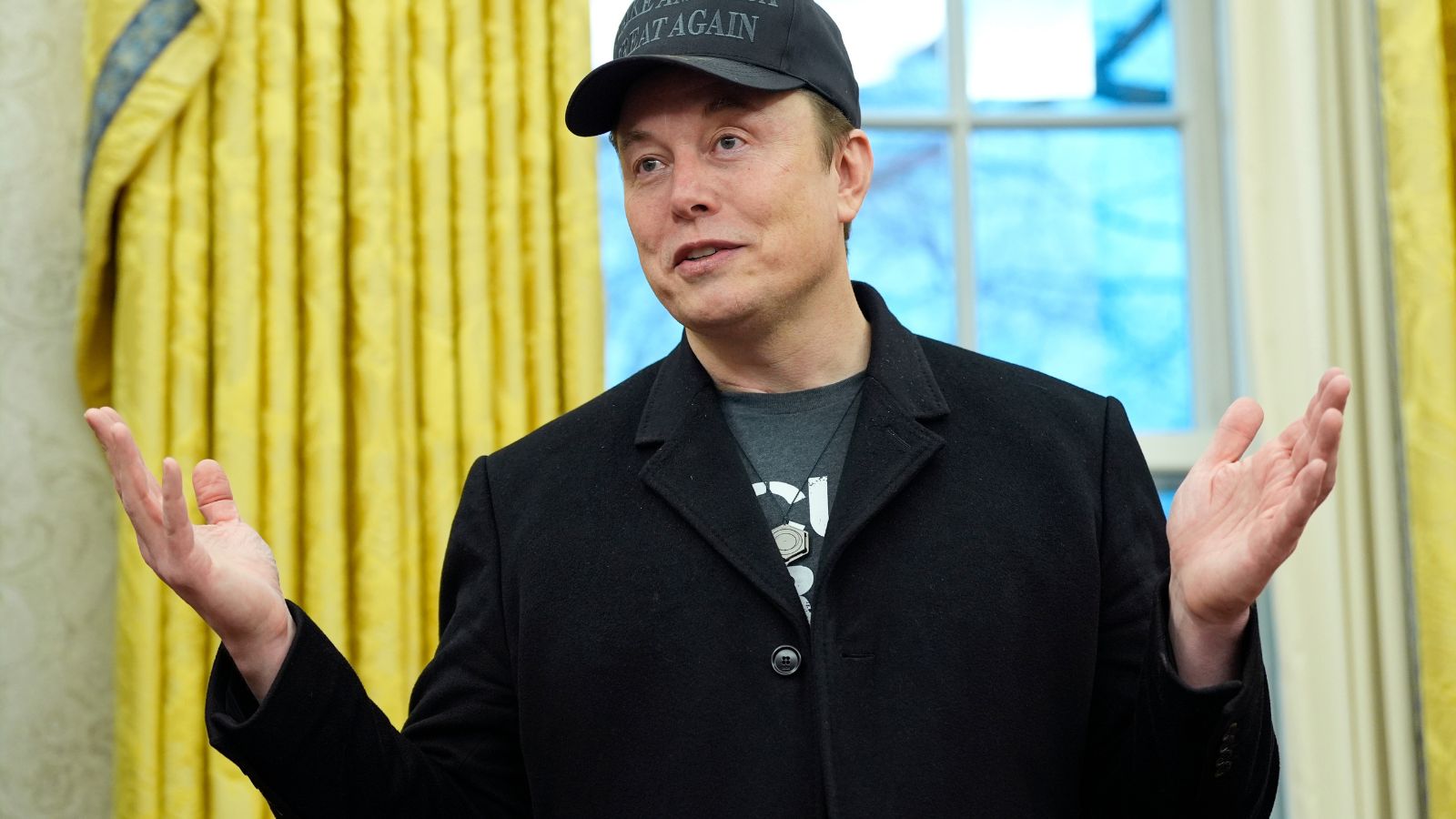
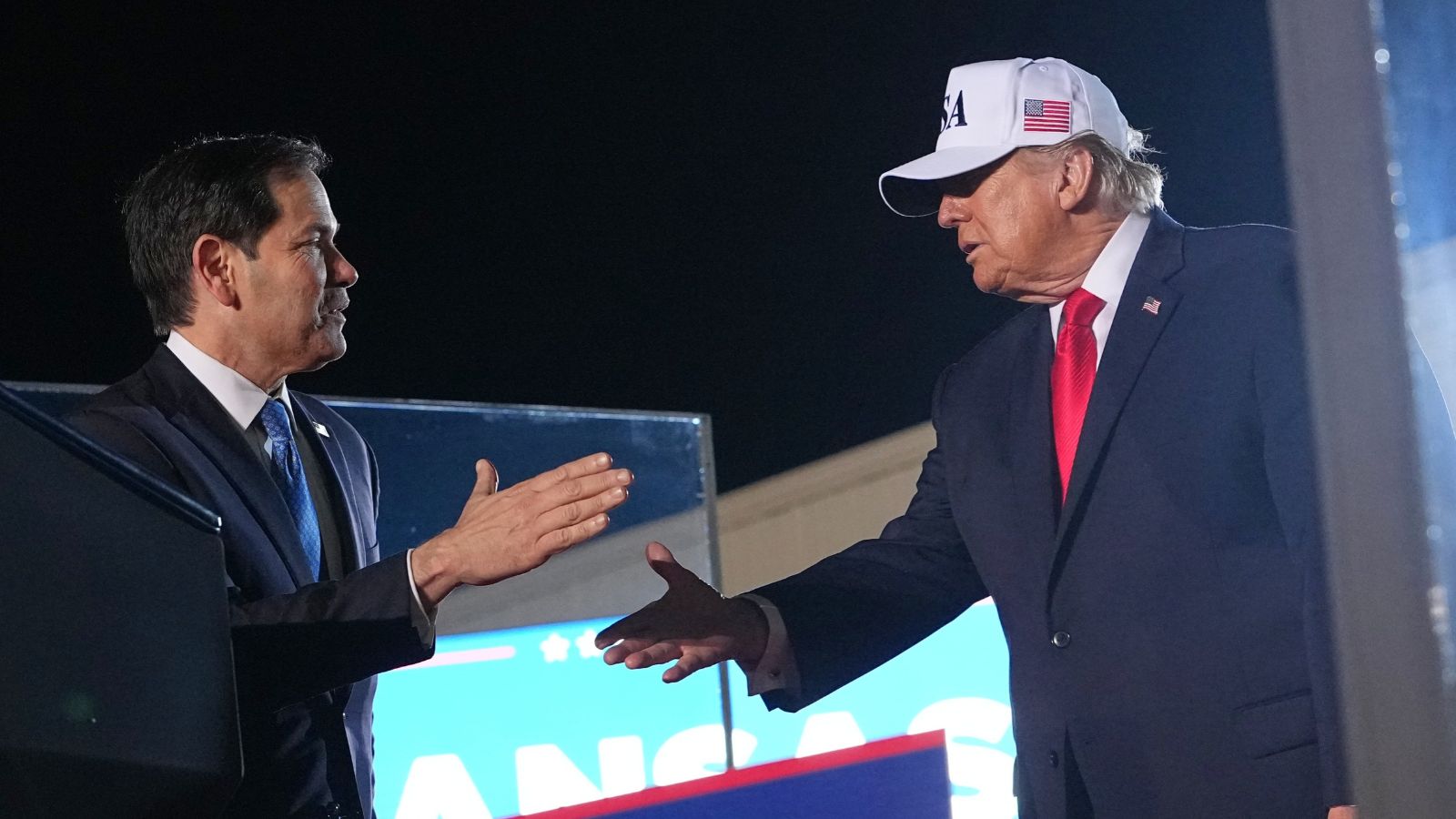
Donald Trump just teased a "big, beautiful agreement" to end the Russia-Ukraine war after a surprise White House sit-down with Vladimir Putin's envoy, Kirill Dmitriev. He didn't meet with the Ukrainian delegation in Washington. And he claimed the pact might cover "all of Europe".
If you're watching European capitals right now, nobody looks thrilled.
What Actually Happened at the White House
Let's strip away the campaign-style adjectives and look at the timeline. In early November 2026, First Lady Melania Trump hosted Russian and Ukrainian representatives at the White House following a brief, localized ceasefire in the Russian-occupied city of Oleshky in Ukraine's Kherson region. That five-day truce ran from October 27 to November 1, letting roughly 800 civilians evacuate and allowing basic food and medical aid into the area.
Then came the twist.
While Ukrainian officials were in the building for the reception, Trump held an unscheduled bilateral meeting exclusively with Kirill Dmitriev—head of Russia's sovereign wealth fund and one of Putin's go-to backchannel negotiators. Trump skipped meeting the Ukrainian delegation altogether. Afterward, he told reporters an agreement was close, promising it would go beyond Ukraine to reshape security across the entire European continent.
Zero specifics followed. No draft text, no territorial map, no verification mechanism. Even Moscow played coy, with Russian officials insisting no concrete details of a "beautiful" deal had been finalized.
Why Excluding Kyiv Changes Everything
You can't broker a lasting peace over a country's head without inviting them into the room. That's basic diplomacy, yet it keeps getting ignored.
When the American president meets privately with Moscow's envoy while leaving Kyiv's representatives outside, it sends a blunt signal about who holds the pen. For years, Ukrainian President Volodymyr Zelenskyy has maintained clear red lines—refusing forced neutrality or permanent territorial concessions without ironclad security guarantees. Kyiv has indicated openness to freezing active front lines under strict conditions, which is a massive shift from 2022. Still, freezing a battle line isn't the same thing as handing Putin a veto over European security.
The Oleshky Ceasefire Illusion
Supporters of the White House approach point to the Oleshky truce as proof of concept. I get the appeal. Getting 800 trapped civilians out of a shattered town in Kherson is a genuine humanitarian win.
Here's the problem with scaling that up. A localized, five-day pause to move non-combatants doesn't solve the core political dispute. Look at what happened right after those White House remarks—both sides traded fresh strikes in the Black Sea ahead of scheduled trilateral talks in Abu Dhabi. Tactical pauses happen in almost every modern conflict. Mistaking a humanitarian corridor for a comprehensive peace treaty is how diplomats walk straight into traps.
The Real Meaning Behind "All of Europe"
The phrase that set off alarm bells from Berlin to Warsaw wasn't "big" or "beautiful". It was Trump's casual remark that the deal "might involve all of Europe".
European leaders know exactly what Moscow means by a continent-wide security arrangement. Back in December 2021, right before invading Ukraine, the Kremlin published draft treaties demanding that NATO pull all troops and weapons back to its 1997 borders—effectively stripping Eastern and Central Europe of alliance protection.
If Washington and Moscow start sketching out a new European security architecture without Brussels, Berlin, or Kyiv at the table, NATO's credibility takes a direct hit. Even Trump's own negotiators, Steve Witkoff and Jared Kushner, have had to scramble to reassure European leaders like German Chancellor Friedrich Merz that Europe will eventually get a seat in the negotiations. Meanwhile, Russian missiles straying onto Polish territory and ongoing strikes on Ukrainian infrastructure show that Moscow isn't dialing down the pressure while talking peace.
What You Should Watch Next
Ignore the press conference superlatives and track three concrete indicators over the coming weeks:
- Seat assignments at the table. Watch whether European Union and Ukrainian negotiators are full participants in upcoming rounds—from Abu Dhabi to European capitals—or if they're just being briefed after bilateral US-Russia sessions.
- Enforcement over promises. Any ceasefire covering hundreds of miles of front line requires third-party monitors, satellite verification, and automatic snap-back penalties if one side shoots. Without enforcement teeth, a truce just gives depleted brigades time to rearm.
- Sanctions and energy leverage. Kirill Dmitriev's primary portfolio is Russian finance and investment. Whenever he's in the room, sanctions relief and frozen central bank assets are on the table. Watch whether Washington offers economic concessions before Russia pulls back a single battalion.
Real peace deals aren't built on teaser trailers and vague adjectives. Until terms are written down and signed by the people actually fighting the war, treat any talk of an imminent breakthrough as pure political theater.