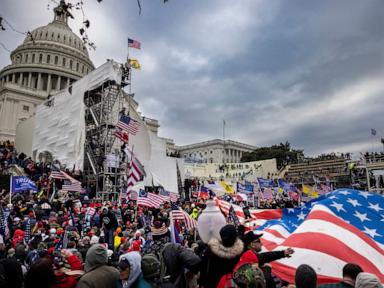
The fight over January 6 just exploded into a multi-billion-dollar legal war, and it's happening right inside the U.S. Treasury.
Two of the most prominent police officers who defended the U.S. Capitol from rioters are hitting back at the Trump administration. Former U.S. Capitol Police Officer Harry Dunn and active Metropolitan Police Department Officer Daniel Hodges just filed a massive federal lawsuit. Their goal? Totally block the administration's brand-new $1.776 billion "Anti-Weaponization Fund."
This isn't just a standard partisan squabble. It is an unprecedented legal challenge against what the officers call a corrupt taxpayer-funded "slush fund" meant to reward the very people who attacked them. If you want to understand how a tax leak lawsuit turned into a literal payday for political allies and rioters, you need to look at the bizarre legal engineering behind this fund.
The Bizarre IRS Settlement That Created the Fund
To understand why these officers are suing, you have to look at where this $1.776 billion came from. It didn't pass through a congressional budget vote. Instead, it emerged from a highly unorthodox settlement of a private lawsuit.
Earlier, President Donald Trump, his two adult sons, and the Trump Organization filed a massive $10 billion lawsuit against the Internal Revenue Service and the Treasury Department. The core of their complaint centered on the unauthorized public disclosure of Trump's confidential tax records.
Instead of fighting the case in court, the Justice Department—now led by acting Attorney General Todd Blanche—engineered a settlement. Trump and his family agreed to drop their private lawsuit with prejudice. In return, the federal government didn't pay Trump directly. Instead, they agreed to set aside $1.776 billion of taxpayer money to establish the Anti-Weaponization Fund.
Acting Attorney General Blanche pitched the program as a systematic process to compensate individuals who claim they suffered from "lawfare" and politically motivated investigations by previous administrations. The fund will be managed by a five-member commission appointed entirely by Blanche, and it's scheduled to operate until December 15, 2028.
But there's a massive catch. The administration has repeatedly refused to rule out whether January 6 defendants—including people convicted of violently assaulting law enforcement—can apply for these taxpayer funds.
Why the Jan 6 Officers Are Suing
For Harry Dunn and Daniel Hodges, the idea of taxpayer dollars flowing to the people who stormed the Capitol isn't just offensive. It's dangerous.
The 29-page lawsuit, filed in Washington’s federal district court, names President Trump, acting Attorney General Blanche, and Treasury Secretary Scott Bessent as defendants. Leading the legal charge for the officers is Brendan Ballou, a notable figure who previously resigned as a Justice Department January 6 prosecutor following Trump’s sweeping pardons of Capitol riot defendants.
The legal arguments in the complaint cut straight to the core of constitutional law. The lawsuit argues that the fund is flatly illegal for three primary reasons.
The 14th Amendment Insurrection Clause
The officers assert that the fund directly violates the Fourteenth Amendment of the U.S. Constitution. Specifically, the amendment forbids the government from paying any debts or claims "incurred in aid of insurrection or rebellion against the United States." By opening up a federal fund to compensate individuals who participated in or supported the Capitol attack, the lawsuit argues the administration is violating the supreme law of the land.
No Congressional Authority
The executive branch cannot just invent a billion-dollar spending program out of thin air. The lawsuit notes that no federal statute authorizes the creation of this fund. Under federal law, the Justice Department can only settle lawsuits when the attorney general declares that the payment "is in the interest of the United States." The complaint brands the IRS settlement a "corrupt sham," stating that pouring $1.776 billion into an account to reward political allies is patently against the national interest.
Tax Enforcement Immunity
The lawsuit also shines a light on a hidden detail in the settlement's addendum. The agreement includes a clause that bars the federal government from pursuing any future tax enforcement actions against Trump, his family, and his business entities for any returns filed before the deal took effect. The plaintiffs argue this essentially grants the Trump family total immunity from past tax liabilities, bypassing standard legal frameworks entirely.
The Physical Danger of Rewarding Violence
Beyond the technicalities of constitutional law, the lawsuit paints a dark picture of the real-world consequences this fund creates. Both Dunn and Hodges have faced relentless harassment, trolling, and explicit death threats since testifying about their experiences on January 6.
The lawsuit argues that the fund acts as a financial incentive for political extremism. When the government establishes a multi-billion-dollar fund that could pay out individuals who fought police, it sends a message. The complaint states it clearly:
"The Fund's mere existence sends a clear and chilling message: those who enact violence in President Trump's name will not just avoid punishment, they will be rewarded with riches."
According to the officers' legal team, militant groups like the Proud Boys could theoretically use money from this fund to re-arm and equip themselves. By turning rioters into federally compensated victims, the state gives past political violence an official stamp of approval.
What Happens Next in Court
The Justice Department is already preparing its defense, and it's going to center heavily on a legal concept called "standing."
To sue the government, plaintiffs must prove they have suffered a concrete, individualized injury caused by the challenged action. Associate Attorney General Stanley Woodward has already pushed back against critics, stating that the public debate is getting way ahead of reality. He emphasized that not a single claim has been filed yet, and no payments have been made.
The government will almost certainly ask a federal judge to dismiss the case, arguing that Dunn and Hodges don't have standing because they haven't been directly harmed by a fund that hasn't actually paid anyone out yet.
However, Ballou and the officers are countering that the mere existence of the fund creates an immediate, heightened physical risk to their safety on a near-daily basis.
If the district court allows the suit to move forward, we are looking at an incredibly messy legal discovery process. Lawyers could demand to see the internal communications between the White House, the Treasury, and the DOJ regarding how this $1.776 billion figure was calculated. This case has all the ingredients to fast-track its way to the Supreme Court, forcing the justices to define the exact boundaries of executive settlement power and the Fourteenth Amendment's restrictions on funding insurrections.
If you are tracking this story, keep your eyes on the initial motions to dismiss. The first major hurdle will be whether a federal judge agrees that these officers have the legal right to challenge a presidential fund before the checkbook even opens.