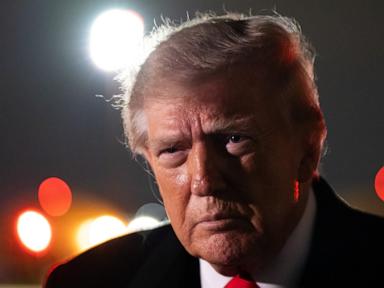
Foreign policy announcements rarely arrive with the blunt force of a social media post, yet that is precisely how the world learned of a supposed shift in the Russia-Ukraine conflict. U.S. President Donald Trump took to his digital platforms to declare an immediate energy ceasefire, claiming both warring nations had agreed to halt strikes on vital power grids and oil infrastructure. The declaration triggered immediate confusion in European capitals and outright surprise in Kyiv, where officials noted they had received no prior briefing about the arrangement.
When reporters pressed the White House on the reality of the situation, the administration doubled down with a stark rationale. Trump bluntly stated that the parties agreed to the terms simply because he said they agreed. That logic highlights the complex and often eccentric nature of back-channel diplomacy, where public declarations act as pressure tactics rather than signed treaties.
The Immediate Reality on the Ground
Announcing a truce does not stop incoming missiles. Hours after the digital decree echoed across international news networks, air raid sirens wailed across Ukraine. Russian strikes hit power generation assets, including a critical plant in Kharkiv, leaving residential neighborhoods grappling with structural damage and winter blackouts.
Ukrainian leadership faced an awkward diplomatic tightrope. President Volodymyr Zelenskyy noted that while Ukraine remained theoretically prepared to spare Russian energy nodes from drone operations, the ongoing bombardment from Moscow proved the ceasefire existed primarily as a rhetorical exercise rather than a functional military pact.
The Strategic Pressures Behind the Scenes
Behind the sudden push for an energy freeze lies domestic U.S. political calculus and surging fuel prices. The White House has faced immense scrutiny over diesel costs, a metric that heavily influences voter sentiment ahead of midterm elections. Washington's unconventional approach included pressuring Kyiv to halt long-range drone strikes on Russian refineries—operations that had successfully knocked out significant portions of Russia's fuel processing capacity.
European allies watched these developments with deep unease. Figures within the European Union warned that imposing unilateral limitations without solid security guarantees only benefits Moscow. Restricting Ukraine's ability to defend itself while relying on unverified verbal promises from the Kremlin rarely ends well.
What This Means for the Wider Conflict
The episode exposes a widening gap between Western mediation efforts and the grim realities of a war of attrition. Grand announcements from Washington create massive media cycles, but they fail to alter the core calculus of a regime in Moscow committed to breaking Ukraine's infrastructure ahead of freezing winter months.
True truces require verified enforcement mechanisms, demilitarized buffer zones, and mutual trust—three elements completely absent from a unilateral social media proclamation. Until concrete diplomatic architecture replaces arbitrary declarations, the targeting of power plants and fuel depots will remain a central fixture of the frontline.
For a closer look at how international media covered the sudden announcement and the immediate fallout on the ground, you can watch this Trump energy ceasefire report. This video breaks down the initial reactions from Ukrainian officials and the immediate contradictions following the White House declaration.