Champagne in New Delhi? Premature. Relief rallies on Mumbai trading desks? Misplaced.
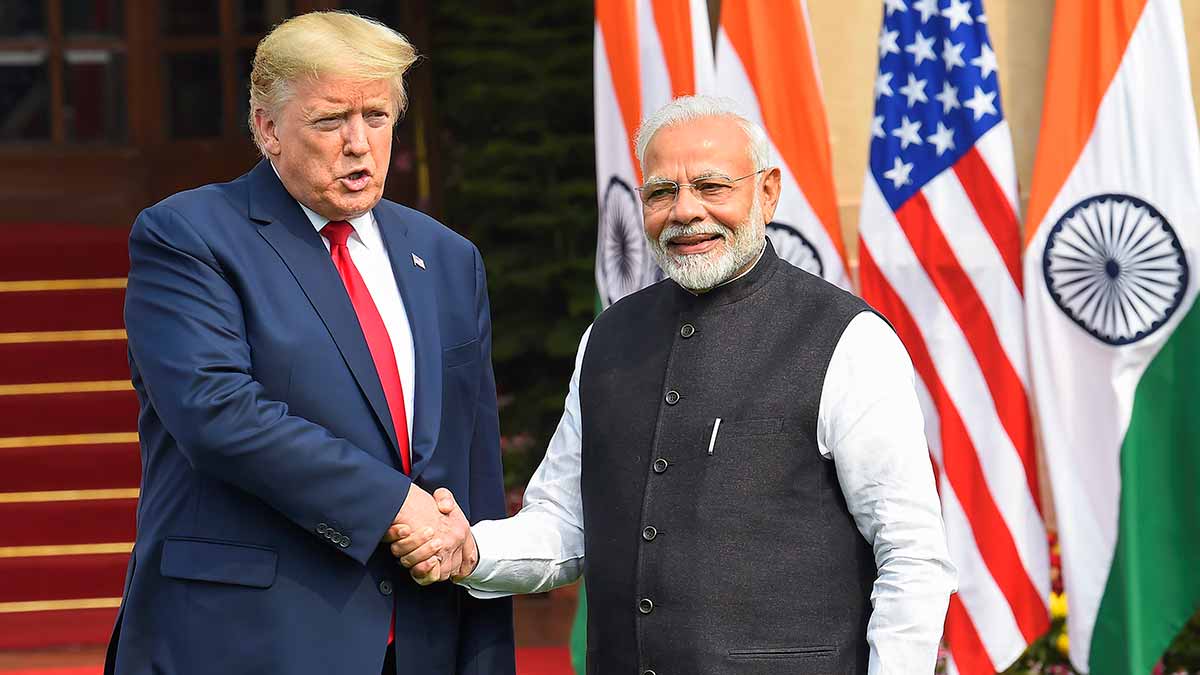
Headline writers love a clean story: Washington blinks, tariffs vanish, India wins. When President Trump signed the executive order waiving key Russia-related sanctions and duties under the Lindsey O. Graham Sanctioning Russia and Iran Act of 2026, mainstream coverage immediately framed it as "big relief" for Indian refiners, exporters, and policymakers.
They have it backwards. What looks like a reprieve is actually a leash.
The Lazy Consensus Everyone Is Repeating
The standard take reads like a press release written in Washington and echoed in Mumbai. It goes something like this: the Graham Act threatened steep tariffs—up to 100%—on major buyers of Russian crude and gas, plus secondary pressure that could slam Indian trade and energy flows. By invoking presidential waiver authority just before the provisions kicked in, the White House spared India a bruising tariff fight, kept discounted barrels flowing, and lowered immediate trade friction.
That story is lazy for three reasons.
First, it confuses suspension with repeal. A waiver under Section 115 of the Graham Act leaves the underlying statutory weapon loaded on the table. Nothing was repealed by Congress. The legal authority remains intact, dormant rather than dead, ready to be switched back on by executive stroke whenever Washington's negotiating leverage needs a boost.
Second, it ignores why Washington blinked in the first place. Energy markets in late 2026 were already strained by Middle East supply disruptions tied to the 2026 Iran War, leaving global diesel supplies tight and domestic fuel prices politically sensitive in the United States. Slapping massive tariffs on major energy buyers while global refined product markets were already on edge wasn't a gift to India; it was self-preservation by a White House trying to keep fuel costs from spiking at home.
Third, it treats trade concessions and energy waivers as freebies rather than bargaining chips inside a much bigger chess match involving trade negotiations, China, and diplomatic talks over Ukraine.
Are We Even Asking the Right Question?
Most commentary asks: Did India just get a free pass on Russian oil and US tariffs?
Wrong question. A sharper question is: How much strategic autonomy did New Delhi just trade away for temporary breathing room?
People also keep asking whether India can now buy Russian crude and refined products indefinitely without worrying about Washington. The honest answer is no. A presidential waiver is not a treaty. It is a revocable permission slip. Even when earlier emergency tariffs tied to emergency powers were unwound after Supreme Court pushback in Learning Resources, Inc. v. Trump, the statutory architecture around sanctions and trade enforcement kept shifting underneath companies' feet.
Another common question: Does this mean US-India trade tensions are over? Not even close. Waiving one set of statutory penalties does not erase bilateral friction over market access, tariffs, or supply-chain alignment. In fact, keeping a dormant tariff threat in reserve gives Washington more—not less—leverage at the bargaining table.
How the Mechanics Actually Work (And Why They Bite)
To see why "relief" is a misnomer, look at how trade compliance and commodity pricing operate in the real world.
I have watched global commodity desks and corporate supply chains get blindsided by policy whiplash time and again. Over years advising on cross-border trade and energy exposure, I have seen companies blow millions on hedging structures, long-term supply commitments, and rerouted logistics based on a headline reading of a policy "pause"—only to get caught flat-footed six months later when enforcement guidance tightens, banks get skittish, or a waiver gets narrowed.
Let's be precise about the terms here, because sloppy vocabulary ruins risk models:
- Tariff vs. Sanction: A tariff is a customs duty levied on imported goods entering a country (such as the US), raising landed costs and eroding price competitiveness. A sanction restricts transactions, finance, shipping, insurance, or sector investment—often extraterritorially or through secondary risk—even when no customs duty is collected at the border.
- Waiver vs. General License: A statutory waiver suspends the application of specified provisions under a law, whereas a regulatory general license (such as OFAC's General License 135 covering specific Russian diesel transactions into the US through April 2027) authorizes narrowly defined activities under strict conditions. Neither makes the underlying geopolitical risk disappear.
When Washington leaves the statutory hammer hanging over major buyers of Russian energy—which together with China and Turkey account for the lion's share of Russia's seaborne and international energy trade—three quiet costs hit Indian balance sheets even without a single new tariff collected:
- The Compliance Tax: Banks, insurers, vessel owners, and clearinghouses price in reinstatement risk. Even when a waiver is active, compliance teams demand extra documentation, longer settlement reviews, and higher risk premiums.
- Discount Erosion: Russian crude discounts widen or narrow based on logistics bottlenecks, shipping insurance, and payment rails. Temporary relief in Washington does not magically solve payment friction or keep competing buyers from bidding up grades.
- Negotiating Asymmetry: When your counterparty holds a switch that can flip punitive tariffs or sanctions back on without needing another act of Congress, your negotiating posture changes—whether you are talking trade terms, defense procurement, or diplomatic alignment.
Imagine a scenario where a refinery group signs a multi-month supply and off-take plan assuming Washington's waiver signals permanent detente, locks in narrow margins, and delays diversifying crude grades. Three months later, diplomatic talks stall or energy prices cool, and a revised executive action or narrower license hits shipping or secondary exposure. The refinery doesn't need a 100% tariff to lose money; a 3% shift in freight, insurance, and financing costs can wipe out refining margins overnight.
Where the Heavy Hitters Stand—and Where My View Can Fail
Analysts at institutions like the Center for Strategic and International Studies have noted how legislation like the Graham Act reshapes leverage between the White House, Congress, and Moscow, while trade and legal specialists—from Freshfields to Clyde & Co.—have emphasized that waived provisions remain dormant rather than gone for good. Meanwhile, former defense officials like Dov Zakheim have argued that sanctions pressure is meant to force negotiating leverage rather than act as a standalone cure-all.
Now for the part most pundits skip: where my contrarian thesis could be wrong.
First, realpolitik cuts both ways. If Washington decides that keeping global energy markets supplied and maintaining a workable economic relationship with New Delhi matters more than maxing out sanctions pressure, the waiver could stay in place far longer than hawks expect. Domestic inflation and energy affordability in the US are powerful constraints on any president.
Second, India isn't helpless. New Delhi has shown repeatedly that it can diversify crude sources, price-shop across Middle Eastern, African, American, and Russian barrels, and balance partnerships without surrendering core interests. Tactical breathing room can be useful if used to build resilience rather than complacency.
Third, a near-term cost shock avoided is still real money saved. If a tariff wave would have hit Indian exports or spiked domestic energy costs right away, dodging that blow today has tangible value—even if the underlying risk hasn't vanished.
What Smart Operators Should Do Instead of Celebrating
If you run an import-export business, manage commodity exposure, or allocate capital in Indian markets, stop treating this waiver like a permanent green light. Do this instead:
- Stress-test your supply chain for a 15-day reversal. Map every vendor, shipping lane, payment channel, and insurance provider that touches Russian-linked flows or US-exposed exports. Assume the policy environment can shift faster than your contracts.
- Separate headline relief from contract language. Build force majeure, price-adjustment, and termination clauses that account for sudden tariff or sanctions reinstatement—not just final enactment.
- Keep diversifying crude and export markets while the window is open. Use calm periods to broaden supplier optionality and customer mix, not to double down on single-point dependencies.
- Watch the fine print, not the press conference. Track OFAC licenses, trade negotiations, and post-election congressional posturing. The real constraints live in the clauses, not the headlines.
A waiver isn't a victory lap for India. It's a temporary truce on a loaded trigger.
India-US trade deal taken into account to waive Russia oil sanctions
This video offers relevant context on how bilateral trade negotiations factor into Washington's decision to waive Russia-related oil sanctions affecting India.