Diplomats spend decades crafting careful phrasing so they don't accidentally imply one country owns another. Then Donald Trump sits down at Malacañang Palace in Manila, toasts Philippine President Ferdinand Marcos Jr., and casually refers to Venezuela as America's "new acquisition".
He didn't walk it back. "It was an acquisition, whether people want to say it or not," Trump told reporters during his November 18, 2026 bilateral meeting in the Philippines. He used that exact framing to pitch Marcos on a massive Pacific energy partnership—promising American oil, natural gas, an Alaska pipeline, and nuclear power cooperation to a treaty ally staring down Chinese ships in the South China Sea.
Most headlines treated the "acquisition" line as classic Trump bluster. That's a mistake. When you look at the actual legal agreements signed between Washington and Caracas over the past few months, his word choice looks less like hyperbole and more like an unvarnished summary of the paperwork.
The Manila Pitch and What Was Actually Offered
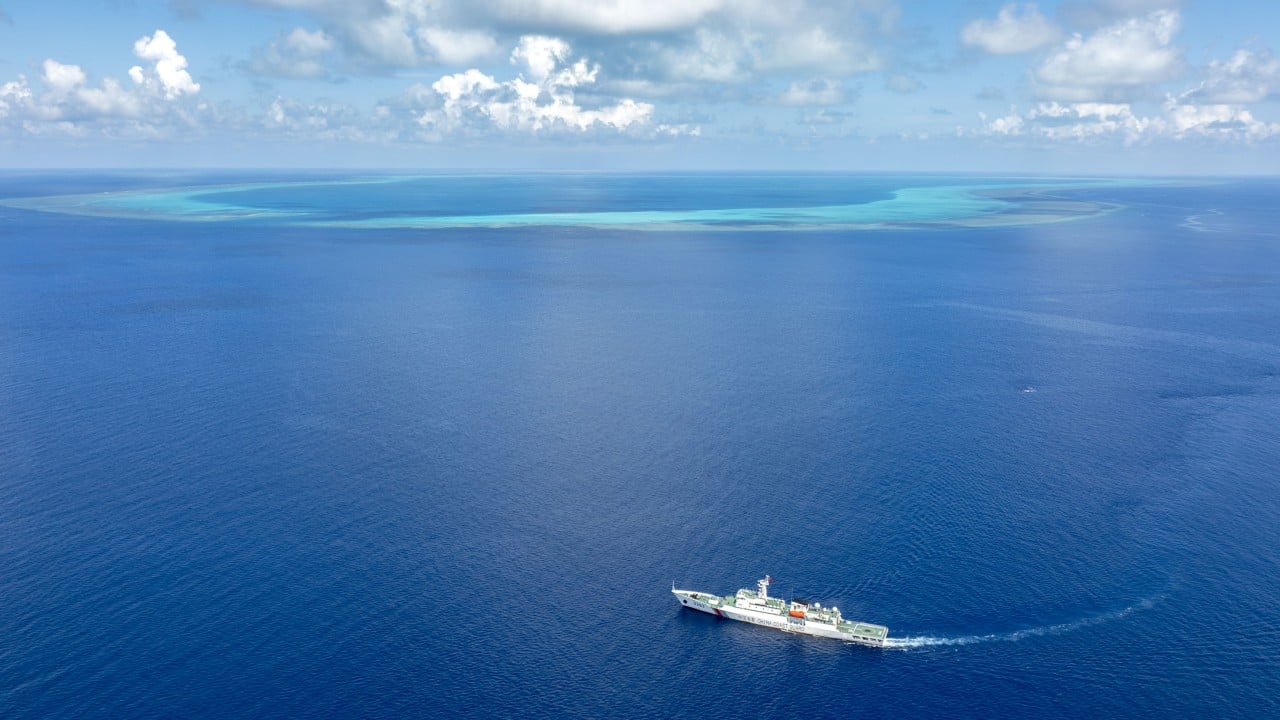
To understand why Trump brought up South American oil during a trip to Southeast Asia, you have to look at the room he was sitting in. Manila is locked in escalating maritime disputes with Beijing, and energy security is one of the Philippines' biggest vulnerabilities. The country imports almost all its oil and struggles with some of the highest electricity rates in Asia.
Trump arrived in Manila following the ASEAN-US Special Summit and laid out a direct energy sales pitch to Marcos:
- Unmatched supply leverage. Trump boasted that U.S. energy reserves now outstrip Russia and Saudi Arabia combined, specifically crediting the addition of Venezuelan crude to the American ledger.
- Pacific transport infrastructure. He touted plans to boost domestic output and build a power and gas pipeline from Alaska to supply Pacific allies directly, cutting out vulnerable Middle Eastern shipping lanes.
- Civil nuclear cooperation. Beyond fossil fuels, the two governments explored joint nuclear development projects to help stabilize the Philippine power grid.
The message to Manila—and to Beijing, where Trump was headed next for the APEC summit in Shenzhen—was blunt. Washington isn't just offering naval patrols in the South China Sea anymore. It's offering to become Asia's primary fuel station.
Why Trump Called Venezuela an Acquisition
If you missed the seismic shift in Latin America earlier in 2026, Trump's phrasing in Manila sounds completely unhinged. It isn't.
In January 2026, U.S. forces carried out a rapid 48-hour operation in Caracas that ousted longtime socialist ruler Nicolás Maduro without losing a single American service member. By August 31, 2026, the White House published a fact sheet detailing what it called a "Historic Oil Agreement" with Venezuela's interim authorities under Delcy Rodríguez.
I've read plenty of sovereign resource agreements over the years, and honestly, the structure of this deal is unlike anything in modern energy history. According to analysis from the Center for Strategic and International Studies (CSIS), the arrangement grants Washington extraordinary control over Venezuelan crude:
- Direct Pentagon equity. The U.S. Department of Defense's Office of Strategic Capital holds a 35 percent equity stake in the corporate parent of NABEP, the entity operating key Venezuelan oil assets.
- Boardroom veto power. Washington holds explicit veto power over board appointments, and a majority of NABEP's board members must be U.S. citizens.
- Century-long concessions. Caracas granted 100-year concessions across 17 major oil fields, giving the U.S. access to roughly 65 billion barrels of oil.
- Cost-price purchasing. The U.S. government gets to buy 20 percent of production at cost to refill the Strategic Petroleum Reserve, plus a right of first refusal on the remaining 80 percent.
Call it a joint venture if you want to keep things polite at the United Nations. Trump prefers "acquisition" because, functionally, the U.S. government now holds board control and first dibs on the world's largest proven oil reserves.
The Math Behind the Russia and Saudi Arabia Claim
Politicians love throwing around massive numbers, so let's check Trump's math. During his Manila press remarks, he claimed the U.S. holds twice as much energy as other major powers and exceeds Russia and Saudi Arabia combined.
Before 2026, U.S. proven crude reserves sat around 46 billion barrels. Adding the 65 billion barrels tied to the Venezuelan concessions pushes total U.S.-controlled crude capacity to roughly 111 billion barrels. When you factor in America's massive natural gas reserves alongside that newly unlocked heavy crude, the numbers back up his bragging rights.
On the exact same day Trump was speaking in Manila, Defense Secretary Pete Hegseth was standing in Caracas hammering home the geopolitical point. Hegseth argued that locking down Venezuelan supply renders Iranian oil "a non-factor for the Western Hemisphere". For fifty years—dating back to the 1979 Iranian Revolution—U.S. presidents had to tiptoe around Persian Gulf instability every time gas prices ticked up. That era just ended.
What Most Commentators Miss About Heavy Crude
Here is the technical detail that almost every political pundit skips when discussing this deal. Oil isn't all the same.
The U.S. shale boom in Texas and North Dakota produces light, sweet crude. It's great for making gasoline, and it turned America into a net exporter years ago. The catch? Many massive refineries along the U.S. Gulf Coast were built decades ago to process heavy, sour crude—the thick, sludgy stuff pumped out of Venezuela's Orinoco Belt.
For years, American refineries had to import heavy crude from Canada, Mexico, or the Middle East while exporting our own light shale oil overseas. Taking direct operational control of fields like Venezuela's Petrocedeño heavy oil facility solves a massive logistical headache for Gulf Coast refiners. It matches the exact grade of crude to the exact refineries built to process it, right across the Caribbean Sea.
The Catch Nobody Wants to Talk About
Before anyone assumes cheap gas and unlimited Pacific exports are guaranteed tomorrow morning, we need to look at the operational reality on the ground. Signing a 100-year concession in a palace is easy. Pumping heavy oil out of a ruined infrastructure network is brutal.
Venezuela's oil sector suffered decades of underinvestment, corruption, and brain drain before 2026. Pipelines leak. Upgraders—the massive industrial plants needed to turn tar-like Venezuelan crude into transportable synthetic oil—require billions of dollars in repairs.
Even CSIS energy analysts pointed out a glaring bottleneck in the August 2026 agreement. NABEP has a limited operational track record and only ran three projects prior to the expansion. Scaling up to manage 17 major fields means bringing in international oil majors to provide actual engineering muscle and capital.
The same reality check applies to Trump's Manila pitch:
- The Alaska pipeline hurdle. Building a massive natural gas or oil pipeline across Alaska's terrain takes years of permitting, billions in private capital, and harsh Arctic engineering. It won't deliver fuel to Manila next winter.
- Nuclear timelines. Civil nuclear cooperation with the Philippines is smart long-term policy, especially given the country's mothballed Bataan Nuclear Power Plant history, yet new reactors take close to a decade to permit and build.
- Legal blowback. Sovereign resource deals signed by interim governments face inevitable legal challenges in international courts, which can spook private lenders required to finance field upgrades.
How to Watch This Play Out
Whether you view Trump's "acquisition" comment as a brilliant masterstroke of resource realism or a blunt display of modern imperialism, the market consequences are already moving. If you're tracking energy stocks, geopolitical risk, or supply chains heading into 2027, ignore the diplomatic outrage and watch three concrete indicators instead:
- Gulf Coast refinery margins. Watch major U.S. refiners (like Valero and Marathon) in upcoming earnings calls. Increased flows of discounted Venezuelan heavy crude directly boost their profit margins.
- International oil major joint ventures. Keep an eye on which Western energy giants sign sub-operating agreements with NABEP across those 17 Venezuelan concessions. Real capital deployment from Chevron, Exxon, or European majors will tell you how fast production can actually ramp up.
- Manila's LNG import contracts. Watch whether Philippine utilities sign binding long-term liquefied natural gas supply deals with U.S. exporters over the next two quarters, turning Trump's Malacañang toast into actual cargo shipments.
For more context on how the diplomatic meeting unfolded in Manila, check out the full broadcast of President Trump's bilateral meeting with Philippine President Marcos. Watching the exchange firsthand shows how directly Washington is linking hemisphere energy control to Pacific security alliances.