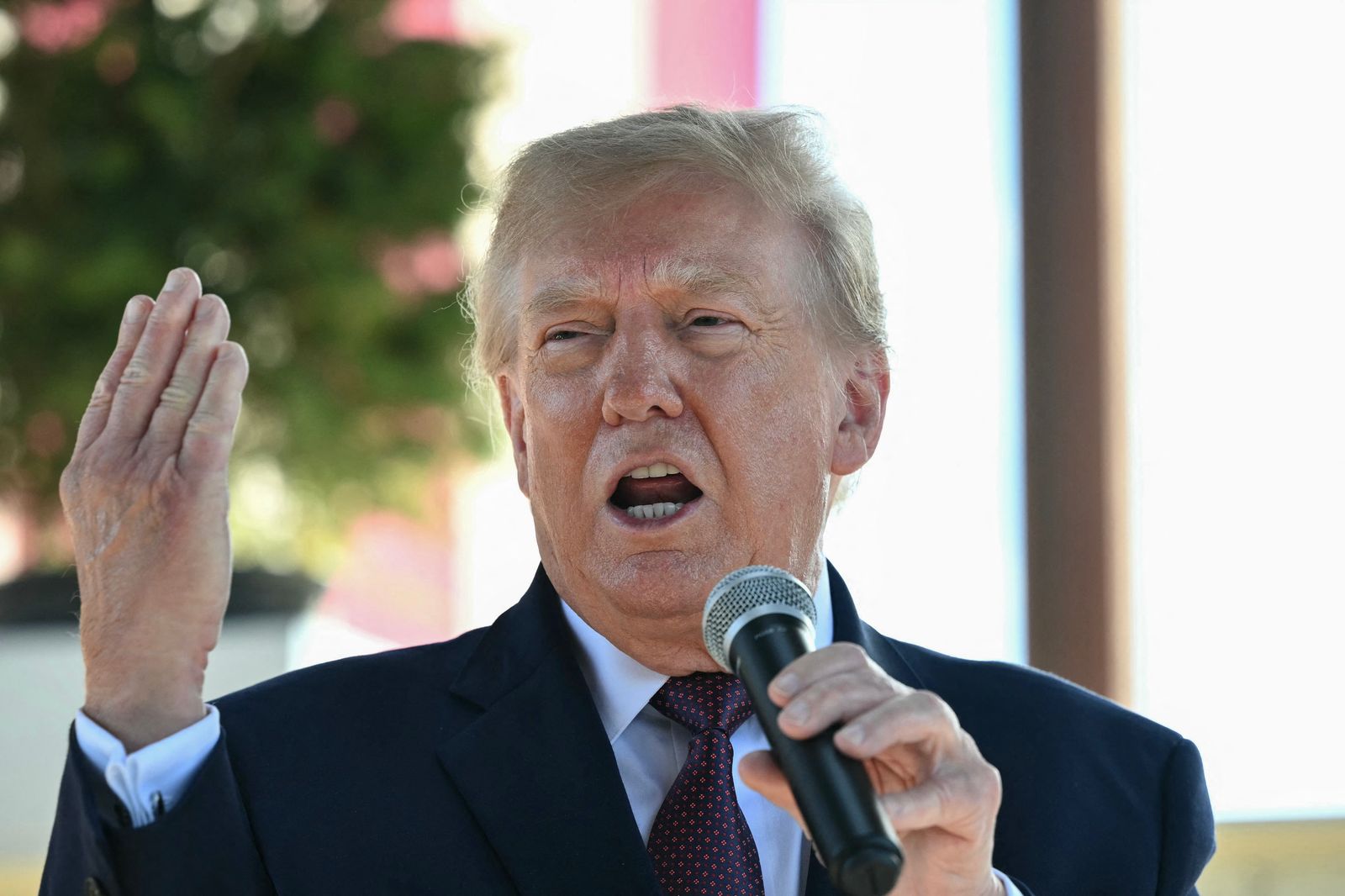
Donald Trump didn't mince words when democratic socialists secured mayoral victories in Los Angeles and Washington. He called it a "disaster."
That single word triggered predictable media cycles, panic among traditional donors, and celebration from progressive organizers. If you only watch cable news, you'd think American cities were about to collapse overnight or transform into Nordic utopias by Tuesday. Neither is true.
Having covered municipal politics and urban policy for over a decade, I've seen this exact clash play out before. When ideological insurgents take City Hall, the reality on the ground rarely matches the apocalyptic rhetoric coming from Washington, D.C., or the sweeping promises made on the campaign trail. Let's break down why Trump is sounding the alarm, what democratic socialist mayors actually do once they inherit a municipal budget, and how these wins shift the national political map heading into the next election cycle.
Why Trump Called the Wins a Disaster
Trump's reaction isn't just off-the-cuff commentary. It's a calculated political strategy designed to nationalize local elections.
By framing mayoral races in Los Angeles and Washington as existential threats to public safety and economic stability, Trump accomplishes two things immediately. First, he rallies his base around a clear ideological enemy. Second, he forces moderate Democrats across the country to answer for policies they didn't write and often don't support.
Look at the core arguments Trump and his allies consistently deploy against democratic socialists running major cities:
- Economic flight and tax hikes. Critics argue that aggressive wealth taxes, higher corporate levies, and strict commercial regulations drive businesses and high-income earners out of city limits, shrinking the exact tax base needed to fund social programs.
- Public safety and policing. Democratic socialists routinely campaign on shifting funds away from traditional police departments toward mental health responders, housing initiatives, and community violence intervention. Trump frames this directly as an invitation to crime and disorder.
- Housing and rent control. Expanding universal rent stabilization and mandating high percentages of affordable units in new developments often triggers fierce pushback from real estate developers, who claim these rules freeze housing construction entirely.
Trump knows that voters in swing states—like Pennsylvania, Michigan, and Wisconsin—watch what happens in coastal hubs. If Los Angeles or Washington struggles with visible homelessness, transit delays, or budget deficits over the next two years, those images become prime campaign commercials for Republicans.
The Reality of Governing Los Angeles and Washington
Winning a primary or a general election in a deep-blue city is one thing. Governing it is a completely different beast.
When a democratic socialist takes the mayor's office in a sprawling metropolis like Los Angeles or a uniquely structured jurisdiction like Washington, D.C., they immediately collide with institutional guardrails. They don't become dictators. They become chief executives of massive, bureaucratic machines with strict legal limits.
Consider how municipal power actually works in these two cities.
The Institutional Limits in Los Angeles
Los Angeles has what political scientists call a "weak-mayor" charter system, even though voters often treat the mayor like an all-powerful CEO. The Los Angeles City Council holds immense authority over land use, zoning, and budget allocations. A mayor can propose a radical restructuring of the city budget, but without a cooperative majority on the 15-member council, those proposals stall in committee.
Then there's the state government in Sacramento. California state law strictly regulates how cities can implement rent control—specifically through the Costa-Hawkins Rental Housing Act—and limits local taxation powers under Proposition 13. A mayor in Los Angeles simply cannot wave a wand and freeze rents across the board or rewrite property tax codes without statewide legislative action or ballot measures.
The Unique Constraints on Washington, D.C.
Washington presents an even steeper uphill climb for a democratic socialist agenda. Unlike any other major American city, D.C. doesn't have full autonomy. Under the Home Rule Act of 1973, Congress retains the constitutional authority to review, modify, or outright overturn any legislation passed by the D.C. Council and signed by the mayor.
We've already seen Congress step in to block local D.C. criminal code revisions and budget priorities in recent years. With Trump in the White House and a Republican presence on Capitol Hill, any sweeping socialist policy coming out of the Wilson Building faces an immediate federal veto threat. A mayor in Washington has to spend half their time managing local trash pickup and school budgets, and the other half playing defense against federal interference.
What Democratic Socialists Actually Prioritize in City Hall
If they can't dismantle capitalism from the mayor's office, what do democratic socialist mayors actually focus on? Based on the platforms of the Democratic Socialists of America (DSA) and the track records of progressive municipal officials across the U.S., the real policy shifts happen in quieter, more targeted ways.
Municipalization and Public Utilities
Instead of taking over private corporations, democratic socialists push to expand public ownership of basic infrastructure. That means fighting for municipal broadband, publicly owned electric utilities, and expanded fare-free public transit pilots. They view transit and internet access as public goods rather than profit centers.
Tenant Protections and Social Housing
Rather than waiting for private developers to build affordable units, socialist mayors champion "social housing"—mixed-income residential developments owned by the city or public authorities that remain permanently off the speculative real estate market. They also aggressively fund right-to-counsel programs, giving low-income tenants free legal representation in eviction court.
Labor Standards and City Contracting
One of the fastest ways a mayor can exercise unilateral power is through city procurement. Expect strict new rules requiring any company that does business with Los Angeles or Washington to pay higher living wages, remain neutral during union organizing drives, and meet aggressive green energy standards.
Common Misconceptions About Urban Democratic Socialism
Both sides of the political aisle love caricatures. If you want to understand what's actually going to happen in these cities, you have to strip away the talking points.
Misconception 1: City budgets will instantly triple.
Cities aren't the federal government. They can't print money, and almost every major U.S. municipality is legally required to pass a balanced budget every single year. A democratic socialist mayor can't run endless deficits. If tax revenues drop because commercial real estate values fall, the mayor has to cut spending or find new, legally permissible revenue streams. Math doesn't care about ideology.
Misconception 2: Police departments vanish overnight.
Even the most vocal progressive mayors quickly realize that surging 911 response times destroy approval ratings faster than anything else. In practice, "reimagining public safety" usually looks like creating parallel unarmed response teams for non-violent mental health calls while keeping sworn officers focused on violent crime. It's messy, slow, and far less dramatic than campaign slogans suggest.
Misconception 3: Business leaders completely abandon the city.
Major corporations complain loudly about progressive mayors, and some certainly relocate back-office operations to lower-tax states. Yet massive economic engines like Los Angeles—anchored by entertainment, international trade through the Port of Los Angeles, and major research universities—and Washington, anchored by federal contracting, lobbying, and tourism, have deep structural roots. Companies don't just pack up decades of infrastructure overnight because a new mayor takes office.
How This Reshapes the Democratic Party
The real story here isn't just about Trump's reaction. It's about the internal civil war inside the Democratic Party.
For years, establishment Democrats argued that progressive insurgency was a fringe movement confined to a handful of House districts in New York or Seattle. Winning the mayor's office in Los Angeles—the nation's second-largest city—and Washington, the nation's capital, shatters that narrative. It proves that democratic socialist messaging on housing affordability, corporate greed, and cost-of-living pressures resonates deeply with urban voters who feel left behind by traditional liberal policies.
Moderate Democrats now face a tough dilemma. Do they embrace the energy and grassroots organizing power of the democratic socialist wing to drive up urban turnout? Or do they distance themselves aggressively to protect suburban swing voters from Trump's "disaster" framing?
Honestly, most establishment politicians will try to walk a tightrope that satisfies nobody. Meanwhile, democratic socialist mayors have a massive burden on their shoulders. If they get bogged down in bureaucratic infighting, fail to reduce visible street homelessness, or oversee deteriorating city services, they won't just hurt their own re-election chances. They'll hand Trump and the GOP the exact ammunition they need to discredit progressive economics for a generation.
How to Track What Actually Happens Next
Don't rely on viral clips or partisan pundits to judge whether these administrations succeed or fail. If you live in these cities, invest in municipal bonds, or simply follow national politics closely, watch the hard metrics over the next 12 to 18 months:
- Follow the annual budget adoption process. Look past the press releases and check the actual line-item appropriations for policing, sanitation, housing construction, and transit subsidies. Budgets reveal true priorities.
- Track housing permitting data. Check quarterly reports from the local planning departments to see whether new multifamily housing starts rise or stall under new tenant protection and inclusionary zoning rules.
- Monitor municipal bond ratings. Credit agencies like Moody's and S&P evaluate city finances without partisan bias. A downgrade signals genuine fiscal trouble; a stable rating means the city is balancing its books despite the political noise.
- Watch the relationship with city councils and Congress. Pay attention to how many mayoral initiatives actually pass into law versus how many get watered down by moderate council members or blocked by federal lawmakers.
Political rhetoric thrives on extremes, but cities run on budgets, permits, and basic execution. Watch the data, ignore the noise, and you'll see the real story long before the next election cycle begins.

