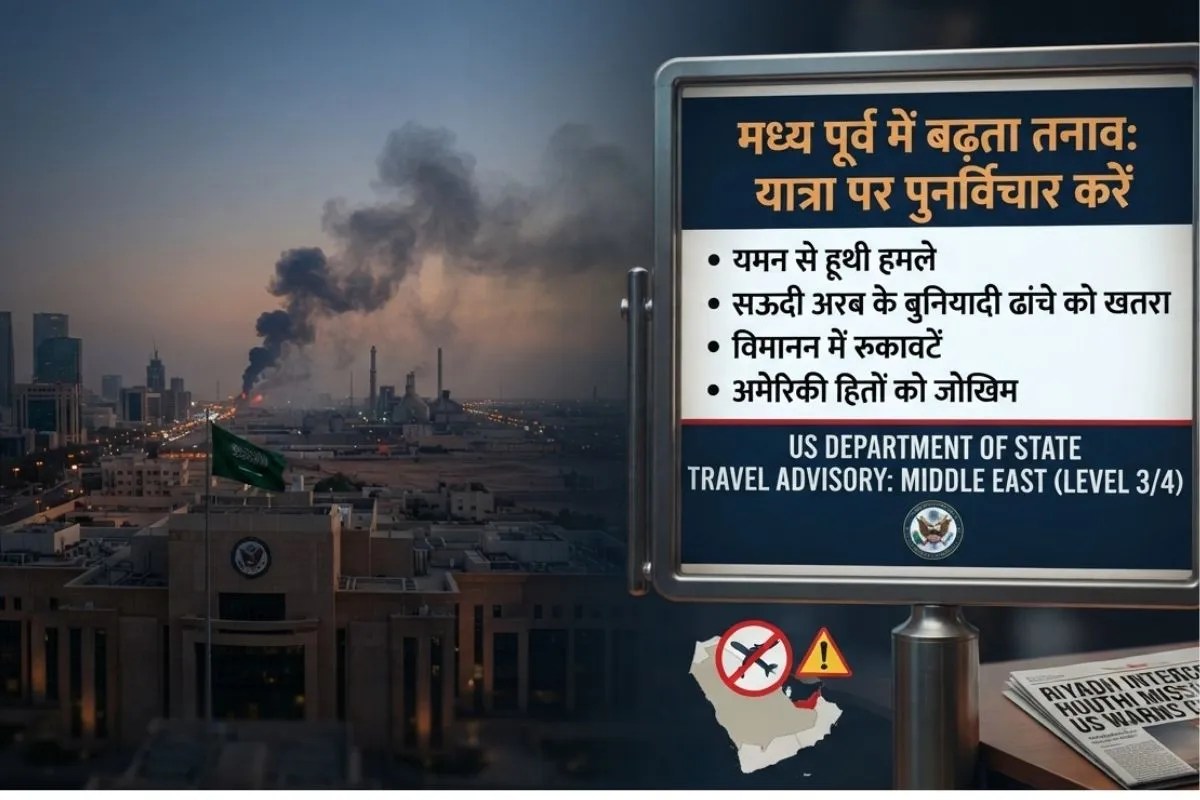
Geopolitics rarely moves in straight lines, but the recent alignment between Ankara and Riyadh tells a very specific story about regional survival. When Turkish Foreign Minister Hakan Fidan stepped forward to explicitly back Saudi Arabia's national security amid surging Houthi attacks, it wasn't just diplomatic politeness. It was a calculated shift in Middle Eastern security dynamics.
For years, the relationship between Turkey and Saudi Arabia felt like a cold peace. Tensions over regional influence, political Islam, and high-profile diplomatic crises kept both capitals at arm's length. Yet security realities have a funny way of rewriting foreign policy overnight.
If you look past the standard press releases, this rapprochement is about a shared nightmare: drone and missile strikes disrupting global trade corridors, energy infrastructure, and regional stability. The Houthis aren't just firing projectiles at random targets in the Red Sea and the Arabian Peninsula; they are threatening the economic arteries that keep the entire region afloat. Ankara recognizes that instability in the Gulf doesn't stay in the Gulf. When supply chains fracture and energy markets panic, everyone feels the shockwaves.
The Shift in Regional Realpolitik
You have to understand how fast Ankara's foreign policy has pivoted toward mending fences. A few years ago, Turkish officials were trading sharp rhetoric with Gulf capitals. Today, Turkish defense firms are striking multi-billion-dollar deals with Saudi Arabia, exporting cutting-edge drone technology and defense hardware.
Why the sudden warmth? Economic pressure at home and a changing threat matrix abroad forced both countries to realize that fighting each other was a luxury they could no longer afford. Iran-backed militant groups operating outside traditional state structures present a headache for both Riyadh and Ankara. When ballistic missiles and explosive-laden drones start crossing borders, ideological differences take a backseat to radar tracking and air defense coordination.
Saudi Arabia has spent years bearing the brunt of asymmetric warfare from Yemen. While international coalitions tried and failed to find a clean exit from the Yemeni quagmire, the daily security threat to Saudi cities and oil installations remained a constant bleeding wound. Turkish backing provides Riyadh with more than just verbal solidarity. It signals a broader Sunni-majority diplomatic shield that complicates Tehran's regional calculations.
What Houthi Escalation Actually Means for Global Supply Chains
Most people outside the shipping industry don't realize how fragile maritime choke points really are. When Houthi forces target commercial vessels in the Bab-el-Mandeb strait, global logistics grind into reverse. Insurance rates skyrocket, shipping companies reroute around the entire African continent, and consumer goods get more expensive from London to Tokyo.
Turkey relies heavily on stable trade routes through the Suez Canal and the Red Sea to reach Asian markets. A disrupted Gulf is bad for Turkish exports. Saudi Arabia, meanwhile, faces an existential threat to its Vision 2030 modernization plans. You cannot build futuristic megacities in the desert if commercial airliners and oil refineries are dodging incoming projectiles on a weekly basis.
This shared vulnerability explains why Turkish intelligence and military cooperation with Saudi Arabia has deepened so rapidly. It’s not built on sentimental friendship. It’s built on cold, hard self-interest.
The Defense Industry Connection
Behind the diplomatic handshakes lies a very lucrative industrial partnership. Turkey’s defense sector has exploded onto the global stage, largely driven by its battlefield-tested unmanned aerial vehicles. Saudi Arabia wants those capabilities.
Riyadh isn't just buying drones off the shelf anymore; they want joint production and technology transfer. By tying their security apparatus closer to Turkish defense manufacturing, the Saudis are diversifying away from an exclusive reliance on Western military suppliers who often attach human rights strings or export restrictions to weapons sales.
On the flip side, Turkish defense contractors get the capital and long-term security contracts they need to scale up production. It’s a classic win-win arrangement that locks both nations into a long-term security partnership.
Looking at the Broader Middle Eastern Chessboard
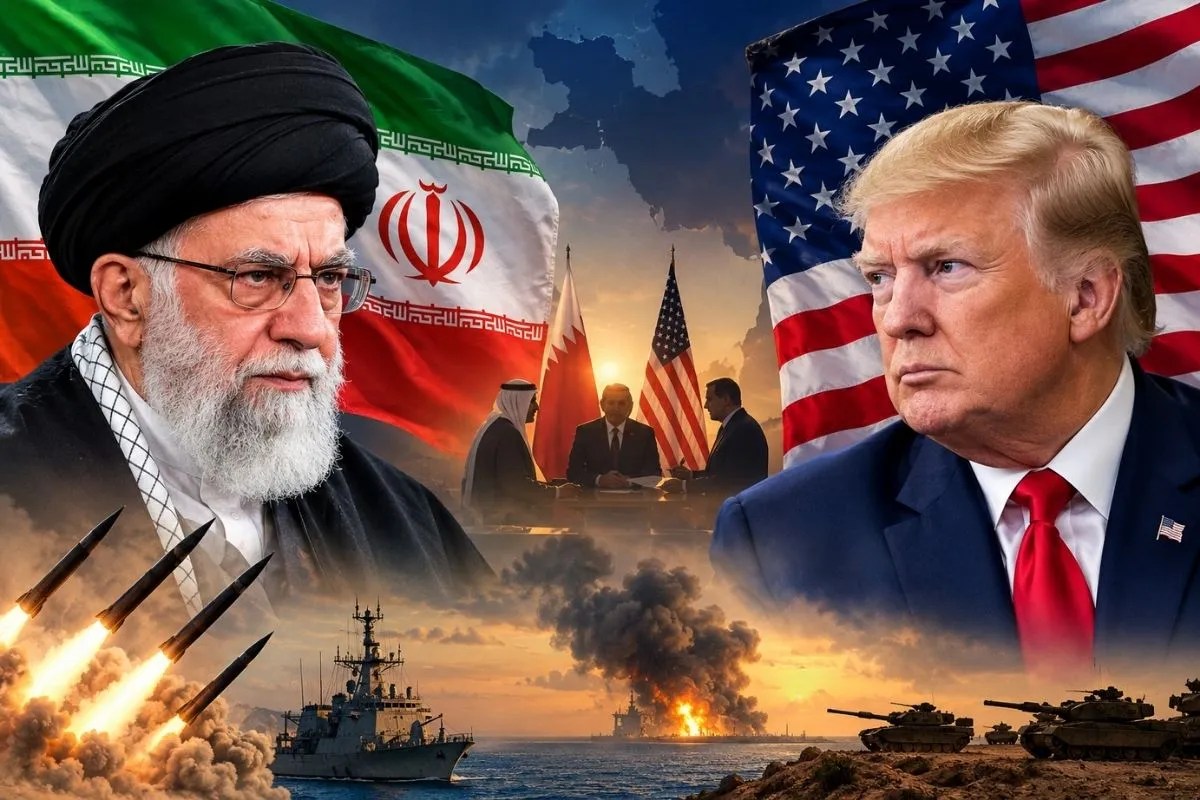
You cannot analyze Turkish-Saudi cooperation without looking at Iran. Tehran’s network of regional proxies—from the Houthis in Yemen to militias in Iraq and Syria—has long given it disproportionate leverage across the Middle East. For a long time, Turkey and Saudi Arabia worked at cross-purposes, occasionally backing opposing factions in regional proxy conflicts.
That strategy burned both of them.
By closing ranks, Ankara and Riyadh are signaling that they want to establish a baseline of regional security managed by regional powers. They are tired of external actors dictating the terms of stability in their own backyard. Whether this alliance can permanently deter Houthi aggression remains an open question, but the united front changes the diplomatic math. Tehran now has to calculate that aggressive proxy actions will draw a coordinated economic, diplomatic, and defense response from two of the region's heaviest hitters.
Security isn't maintained by wishful thinking or polite communiques. It requires mutual deterrence, shared intelligence, and the willingness to look past old grudges when a common threat comes knocking at your door. Turkey and Saudi Arabia finally figured that out.