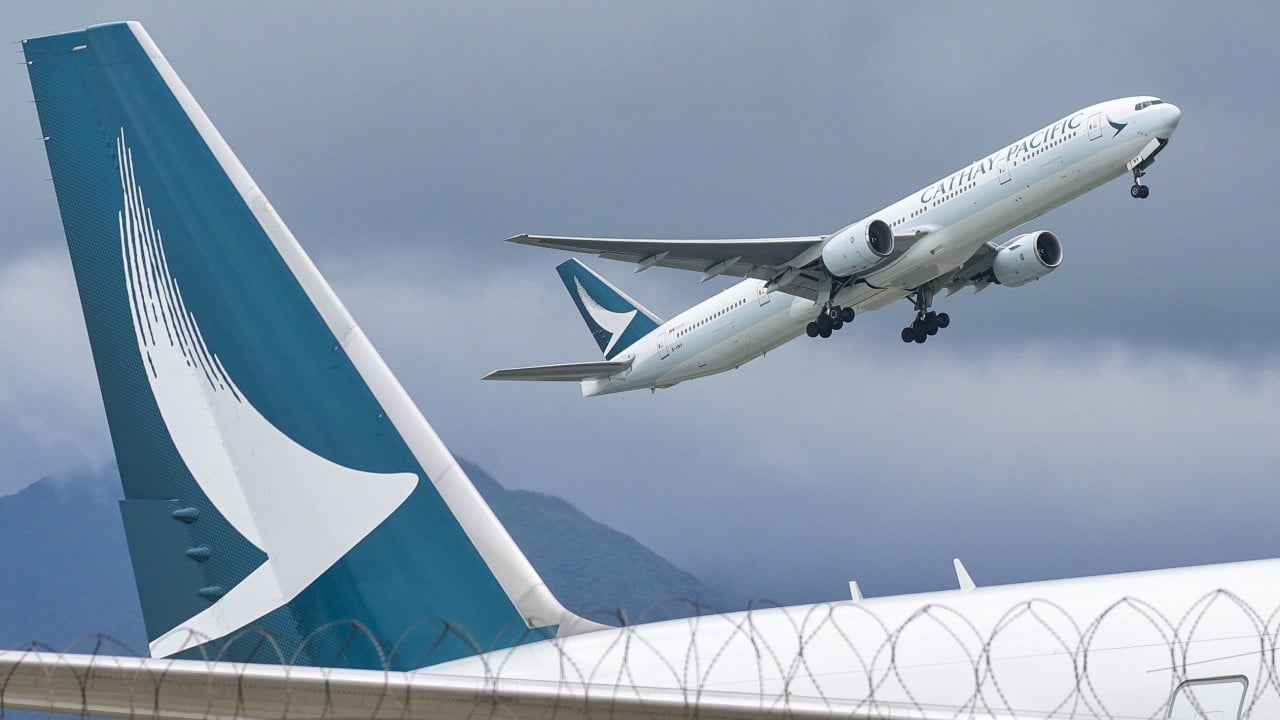
Planes turn around mid-air. Passengers panic. Social media explodes. When two Cathay Pacific flights—one departing from London and another from Tokyo—recently experienced technical issues forcing them to either return or divert, the knee-jerk reaction across the internet was immediate alarm. People love to imagine worst-case scenarios. They picture dramatic emergency landings, smoke-filled cabins, and terrified passengers clutching armrests.
Reality is far more mundane. And far safer.
If you look past the sensationalized headlines, incidents involving flights returning to origin or diverting to alternate airports demonstrate an aviation safety system working exactly as designed. Modern commercial aviation isn't risk-free. It's risk-managed. Every single flight operates within an exceptionally narrow band of safety margins, and the moment a single sensor reads outside expected parameters, pilots and ground engineers make immediate, conservative choices.
Let's unpack what actually happens when major carriers like Cathay Pacific face mid-flight technical anomalies, why these decisions are made, and what you need to know the next time your long-haul journey gets abruptly rerouted.
Understanding What Happens When Planes Turn Around
Most travelers assume that a plane turning back means something broke catastrophically. That's rarely the case. Commercial aircraft are flying computers wrapped in advanced metallurgy, monitored by thousands of data points transmitting in real-time to maintenance teams on the ground.
When a pilot receives an amber or red warning light, they don't roll the dice. They run through standardized checklists. If a system failure—whether it involves cabin pressurization, hydraulic pressure, or engine telemetry—exceeds pre-determined dispatch reliability limits, the flight crew faces a choice. Do they continue across an ocean or Siberia with a degraded system, or do they turn back while fuel loads are high and maintenance support is readily available?
Choosing to return to London's Heathrow or divert from Tokyo isn't an admission of imminent danger. It's an exercise in risk mitigation. Flying across vast oceanic gaps with a known technical glitch violates strict operational protocols. Turning around is the boring, correct, and safe choice.
The Reality Of Modern Long Haul Engineering
Long-haul aircraft like the Airbus A350 or Boeing 777 operate under grueling conditions. They fly through extreme temperature drops, high-altitude radiation, and immense structural stress for twelve to fifteen hours straight.
Airlines schedule tight turnarounds. Planes sit on the tarmac for mere hours between massive intercontinental journeys. Ground crews work at lightning speed to inspect landing gear, refuel tanks, update flight management systems, and service galleys. Even with world-class maintenance programs, microscopic component failures happen.
Think about your car. If you notice a strange vibration on your way to work, you might keep driving. If you're flying a multi-million-dollar tube carrying three hundred people at thirty-five thousand feet, you don't guess. If an engine component or sensor acts up, the aircraft's onboard diagnostics flag it instantly.
Cathay Pacific, like other premium global carriers, operates under intense regulatory scrutiny. Their maintenance engineering teams are conservative by nature. They would rather face public relations backlash from delayed passengers than risk operating a flight with a minor unresolved anomaly. That mindset keeps fatal accidents exceptionally rare.
Why Passengers Panic And How Airlines Handle The Fallout
Fear of flying is entirely rational. Humans aren't built to hurtle through the stratosphere at Mach 0.85. When an announcement comes over the PA system stating that the aircraft is returning to its departure point, adrenaline spikes.
Communication during these events often feels lacking. Pilots are busy flying the plane, running checklists, coordinating with air traffic control, and calculating landing weights. Cabin crew members are busy securing the cabin, reassuring anxious flyers, and preparing for an overweight landing if necessary. Ground operations are scrambling to arrange gate space, maintenance crews, hotel rooms, and rebooking options.
When you're sitting in seat 42A, you see none of this chaos. You just see a flight map reversing direction on your personal screen.
Airlines have refined their recovery playbooks over decades. Once the plane touches down, passengers face a new battle: logistics. Getting hundreds of stranded travelers rebooked onto alternate flights across congested global hubs requires immense coordination. Premium airlines generally handle this smoothly by pushing digital vouchers, automated rebooking alerts straight to mobile apps, and priority hotel transfers. Still, nobody enjoys spending an extra twenty-four hours in an airport transit hotel.
What Happens Behind The Scenes During A Diversion
Behind every diversion lies a massive, invisible operational ballet.
The moment a captain declares an urgency or safety-related return, air traffic control clears a direct path. Emergency services roll out to the tarmac—not always because a crash is imminent, but because airport regulations mandate fire crew presence for any aircraft landing with heavy fuel loads or unverified technical faults.
Simultaneously, dispatchers at the airline's home base in Hong Kong calculate landing weights. Modern widebody jets depart on long-haul routes carrying massive amounts of fuel. Landing immediately after takeoff often means the aircraft is heavier than its maximum structural landing weight. Pilots must either burn fuel in a holding pattern or dump fuel over designated zones to ensure a safe, smooth touchdown that doesn't stress the landing gear.
Ground engineering teams pull up the aircraft's telemetry logs before the wheels even touch the asphalt. They know what part failed, where the spare is located in global inventory, and how long the repair will take.
Knowing Your Rights When Your Flight Gets Diverted
Flight disruptions test your patience. They also test your knowledge of consumer protection laws.
Depending on where your flight departs or arrives, different regulatory frameworks apply. If you depart from a UK or European airport, regulations like UK261 offer robust compensation rights for lengthy delays caused by technical defects—unless the airline can prove extraordinary circumstances like severe weather or air traffic control strikes. Standard technical glitches discovered during flight operations typically do not exempt airlines from paying compensation.
If your flight originates in Tokyo or Hong Kong, different rules apply. Cathay Pacific provides meals, refreshments, hotel accommodation, and ground transfers when flights are delayed overnight.
Knowing how to advocate for yourself makes a massive difference. Don't rush straight to the crowded customer service desk at the terminal. Call the airline's priority hotline or use their mobile app to secure rebooking options while others stand in line. Use lounge access if your credit card or frequent flyer tier permits. Turn an operational delay into a quiet workspace or an unexpected afternoon exploring a transit city.
Raising The Bar For Global Aviation Standards
Incidents involving high-profile airlines returning or diverting remind us that safety is an active, ongoing process, not a permanent state.
Every time a flight turns back, safety data gets updated. Manufacturers examine the failed part. Maintenance manuals get rewritten. Inspection intervals tighten. Cathay Pacific and similar legacy carriers invest heavily in predictive maintenance software that spots microscopic wear and tear before it ever triggers an in-flight warning light.
Flying remains the safest mode of transport ever invented. That safety record isn't an accident. It's built on a culture of radical caution where turning a plane around halfway across the world is treated as a routine, correct decision rather than a failure.
The next time you read a breathless news alert about a diverted flight, remember what's actually happening behind the scenes. Hundreds of highly trained professionals are choosing caution over convenience. Pack your patience, keep your expectations realistic, and appreciate the invisible machinery keeping you safe in the sky.