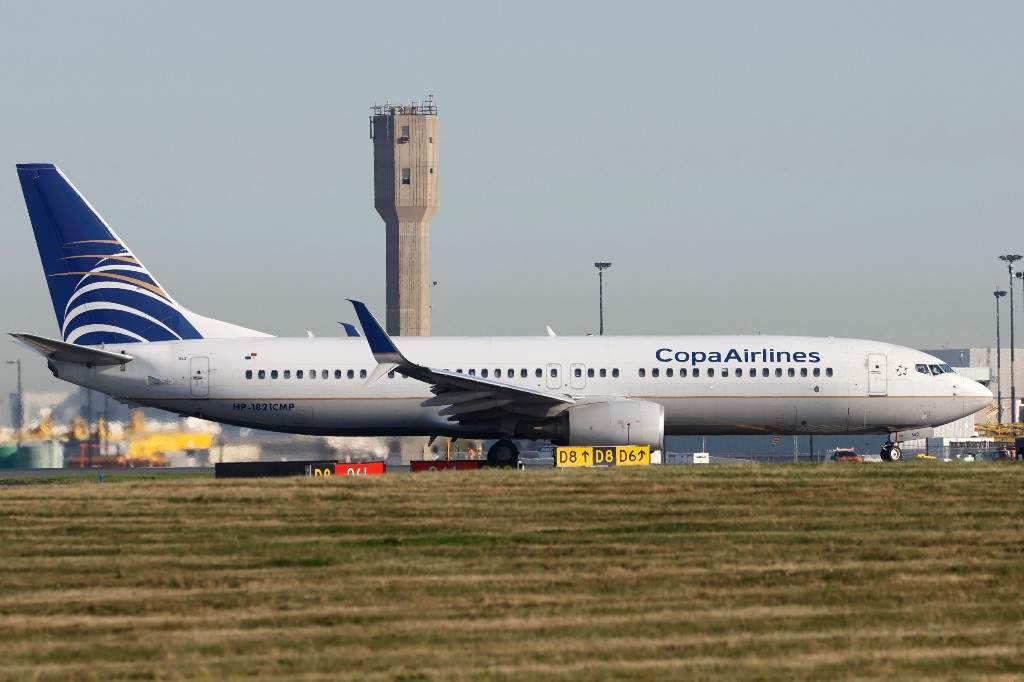
Two people suffered injuries at Miami International Airport after a commercial passenger jet and a UPS cargo aircraft collided on the airfield during ground operations. The incident forced an immediate emergency response on the tarmac, temporarily disrupted taxiway traffic at one of the busiest international gateways in the United States, and triggered federal safety investigations into how two massive aircraft occupied conflicting space on a controlled surface.
Ground collisions rarely make the same visceral headlines as midair emergencies, yet aviation safety veterans know the tarmac is often where the margins are thinnest. When a widebody freighter and a commercial airliner make contact at low speed, the immediate human toll is frequently limited to minor injuries, bruised ribs, or whiplash from sudden braking. The structural and operational consequences, however, reverberate across the aviation system for months.
What Happens When Metal Meets Metal on the Tarmac
A ground collision at a major hub is almost never the result of a single catastrophic error. Instead, it is the final link in a chain of routine pressures—tight turnaround schedules, complex taxiway geometries, shifting weather visibility, and congested radio frequencies.
At Miami International Airport, passenger terminals sit alongside sprawling cargo aprons that handle a massive share of air freight moving between North America, Latin America, and the Caribbean. UPS operates one of its primary international cargo hubs on the field. That operational footprint means heavy freighters routinely taxi in close proximity to commercial narrowbody and widebody passenger jets pushing back from gates or queuing for departure.
In a typical ramp or taxiway collision, one aircraft is either taxiing under air traffic control clearance while another is pushing back under ramp control, or a wingtip encroaches across a painted clearance line. Wingspans on modern commercial jets and freighters can exceed 200 feet. From the flight deck, pilots cannot actually see their own wingtips. They rely entirely on ground markings, marshallers, wing walkers, and precise verbal instructions from controllers.
When two aircraft collide on the ground, the physics are deceptive. Even at taxi speeds of 10 to 15 knots, an aircraft weighing hundreds of thousands of pounds carries immense kinetic energy. If a wingtip strikes a tail section or fuselage, the shearing force can peel back aluminum skin, sever hydraulic lines, or compromise composite structures in fractions of a second. Inside the cabin or cockpit, the sudden deceleration or lateral jolt throws unrestrained crew members, caterers, or passengers off balance. That is precisely how ground collisions produce injuries even when no fire erupts and no fuel tanks rupture.
The Invisible Divide Between Ramp Control and the Tower
To understand how two aircraft end up on a collision course at a major airport like Miami, you have to understand who is actually directing traffic. Most travelers assume air traffic controllers in the tall tower watch every inch of the pavement from gate to runway. They do not.
Airports divide surface movement into distinct jurisdictions. The Federal Aviation Administration tower controls the active runways and the primary taxiways. Meanwhile, the non-movement areas—the aprons, alleys, and gate pushback zones—are typically managed by airline ramp controllers or airport authority operations staff.
The handoff between ramp control and FAA ground control happens along painted lines on the asphalt. It is a seam in the system.
During peak pushback windows, dozens of aircraft call for clearance simultaneously. A pilot might receive pushback approval from a ramp controller, begin moving backward with a tug driver steering from below, and only switch to the FAA ground frequency once the tail approaches the edge of the taxiway. If a cargo aircraft is simultaneously taxiing past that alley under tower instructions, both crews can be following legitimate orders right up until the moment their paths intersect.
This jurisdictional boundary is one of the most persistent vulnerabilities in modern airport operations. Communication happens across separate radio frequencies. Controllers in the tower and coordinators in the ramp tower may be looking at different surface radar displays, or in some ramp areas, relying primarily on visual line-of-sight and camera feeds.
Why Cargo and Passenger Hubs Create Unique Friction
Miami International Airport is not merely a passenger hub; it is one of the highest-volume freight airports in the world. Combining high-frequency passenger schedules with heavy overnight and daytime cargo waves introduces specific operational friction.
Cargo aircraft operate on different rhythms and physical footprints than passenger fleets. Freighters like the Boeing 757, 767, or Airbus A300 flown by UPS are often parked in dedicated cargo quadrants, yet they share the same perimeter taxiways and departure runways as commercial carriers. When an international freighter taxis out heavy with fuel and palletized goods, its turning radius, braking distance, and wingtip clearance requirements differ significantly from a regional jet or a standard single-aisle airliner.
Nighttime and early morning hours amplify these risks. Cargo waves peak while passenger banks are either winding down or ramping up. Lighting glare from terminal floodlights, wet pavement reflecting red and green taxiway lights, and crew fatigue all degrade depth perception on the ground. A pilot judging wingtip clearance at night looks out over a sea of blue edge lights, amber hold bars, and rotating beacons. Without active ground radar alerts or precise wing-walker coverage, a margin of ten feet can evaporate without anyone in either cockpit realizing it until the fuselage shudders.
The Federal Investigation Playbook
Whenever two commercial aircraft collide on United States soil and result in injuries or substantial damage, the National Transportation Safety Board and the FAA launch parallel inquiries. Investigators do not start with blame; they start with geometry and data.
The immediate steps following a collision on the Miami airfield follow a strict protocol:
- Preserving the Scene: Both aircraft are frozen in place once passengers and injured personnel are safely evacuated, allowing investigators to measure exact angles of impact, tire skid marks, and wingtip positions relative to taxiway centerlines.
- Pulling the Recorders: Cockpit Voice Recorders and Flight Data Recorders are removed from both the passenger jet and the UPS freighter. Because ground collisions happen at the beginning or end of flights, the audio on the CVR captures the exact checklist calls, ramp clearances, and crew reactions leading up to impact.
- Securing Radar and Audio Logs: Investigators pull Airport Surface Detection Equipment data—the ground radar tracks that map every transponder-equipped vehicle and plane on the tarmac—alongside time-synced recordings from both the FAA tower and ramp control frequencies.
- Toxicology and Duty Logs: Standard post-incident protocol requires drug and alcohol testing for flight crews, tug operators, and controllers on duty, paired with a review of their rest schedules over the preceding 72 hours.
One critical detail investigators examine is whether either aircraft had a tug attached at the moment of impact. If a passenger jet is under tow or pushback, the tug driver is legally and operationally in command of the movement, guided by wing walkers. If the aircraft is taxiing under its own power, the captain holds ultimate responsibility for obstacle clearance, even when following air traffic control instructions.
The True Cost of a Low-Speed Collision
For the two individuals injured in the Miami collision, the immediate priority is medical evaluation and recovery. For the airlines and the airport authority, the financial and logistical fallout begins the second the emergency vehicles roll onto the taxiway.
When a wingtip clips a stabilizer or gouges a fuselage, neither plane flies again anytime soon. Modern aircraft skins are engineered for aerodynamic efficiency and pressurized flight, not lateral impact. Even a dent that looks superficial from fifty feet away can hide cracked structural ribs, damaged spars, or compromised wiring harnesses.
The repair timeline typically unfolds in stages:
- Non-Destructive Testing: Structural engineers use ultrasonic and eddy-current scanners around the impact zone to detect microscopic fractures radiating beneath the paint.
- Engineering Disposition: Manufacturers like Boeing or Airbus must review the damage measurements and issue an official repair scheme before mechanics can cut out damaged panels.
- Parts and Hangar Availability: Sourcing replacement wingtips, winglets, or tail cones—and securing hangar space capable of housing a widebody freighter or commercial jet—can pull an aircraft out of revenue service for weeks or months.
During that downtime, the airline loses the daily revenue of an asset worth tens of millions of dollars, while simultaneously absorbing the cost of rebooking hundreds of stranded passengers or rerouting time-sensitive cargo shipments.
Surface Safety Technology Still Lags Behind the Skies
Commercial aviation has virtually eliminated midair collisions in controlled airspace through automated systems like TCAS, which commands pilots to climb or descend seconds before a conflict develops. On the ground, however, collision avoidance remains overwhelmingly reliant on human eyes, painted lines, and voice radio.
While major airports like Miami use surface surveillance radar to alert tower controllers when two aircraft are about to intersect on a runway, those warning systems are far less effective on crowded taxiways and virtually absent on airline-controlled ramps. Cockpit moving-map displays are becoming more common, showing pilots their exact GPS position on the airport diagram, yet very few commercial jets have active wingtip sensors or automated braking systems that intervene before a low-speed scrape occurs.
Until surface detection technology extends seamlessly from the runway all the way to the gate—bridging the blind spot between FAA ground controllers, ramp towers, and the flight deck—tarmac collisions will remain an stubborn, recurring hazard at the nation's busiest airports.