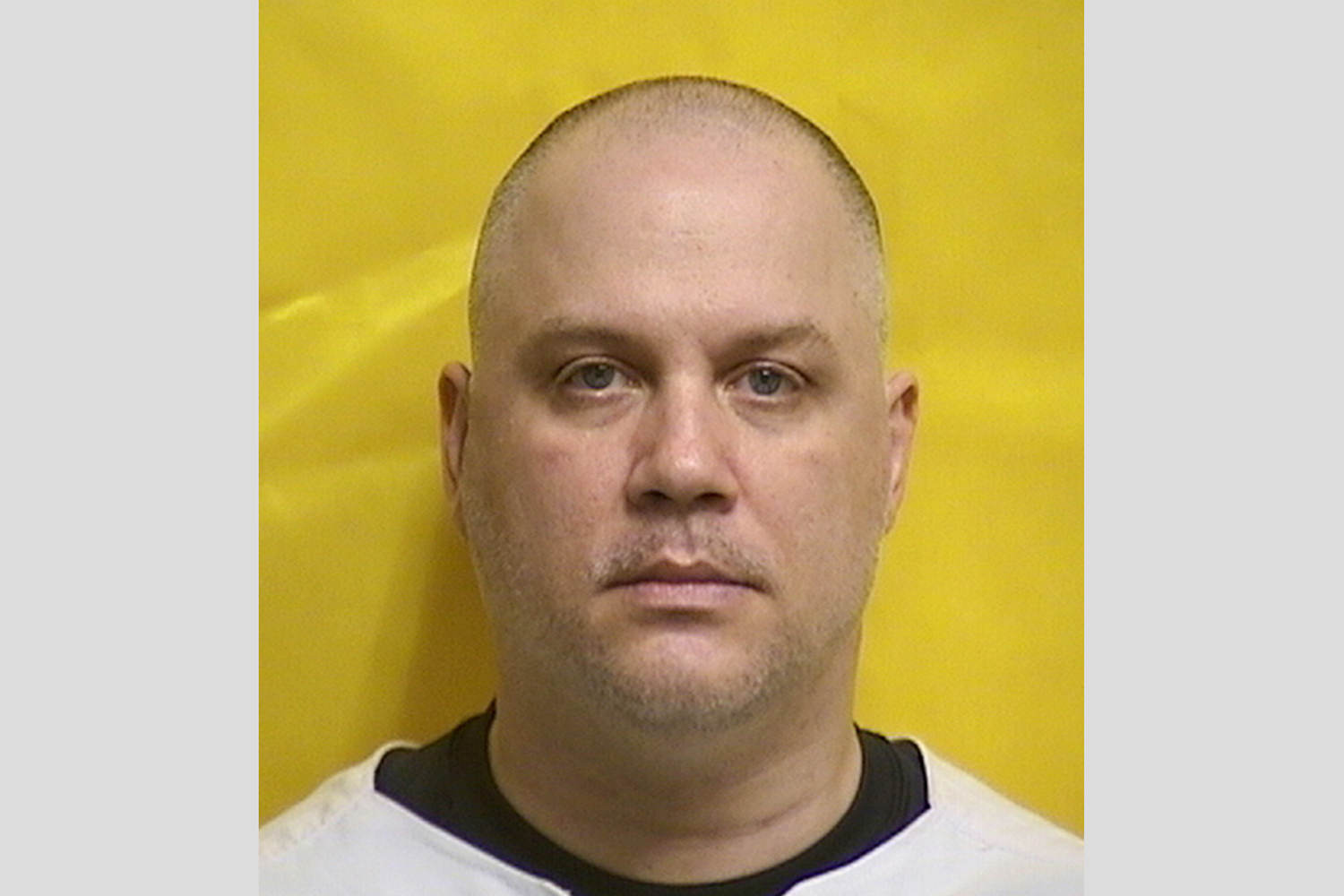
Thirty years is a long time to wait for justice, especially when you are sitting on death row for a crime you insist you didn't commit. Tyrone Noling’s fight for exoneration has reached a critical boiling point. He recently did something most death row inmates never get to do: he argued for a full pardon before the Ohio Parole Board without even having an active execution date hanging over his head.
If you have followed wrongful conviction cases over the decades, the details of Noling's file sound frustratingly familiar. No physical evidence ever linked him to the 1990 murders of an elderly Alliance, Ohio couple, Bearel and Bernice Hartig. No murder weapon was found. The state's case relied heavily on witness testimony that has since crumbled under scrutiny, with key witnesses admitting they were pressured by authorities.
Yet, the system marches on slowly, often prioritizing procedural finality over actual truth. Let's look at why this specific case matters right now and why it forces a hard look at how capital punishment functions in America.
The Missing Evidence and Recanted Truths
When Noling was convicted in 1996, juries trusted testimonies that modern investigative standards would immediately reject. Over the years, those testimonies evaporated. Witnesses recanted. Even more striking, the lead investigator at the time, former Portage County Sheriff Ken Howe, changed his stance entirely. Now in his eighties, Howe has publicly stated that he believes Noling and his co-defendants were innocent all along, pointing to major red flags ignored during the original investigation.
Think about how rare that is. Law enforcement officers rarely turn around and admit systemic flaws from decades past. When an 83-year-old former sheriff stands up and says the system got it wrong, you stop and listen.
Alternative suspects have floated around for years. Advocates point directly to Dan Wilson, a man executed in Ohio in 2009 for an entirely separate crime. Court documents show that a confidential informant told authorities Wilson confessed to the Hartig murders to his foster brother. Yet, instead of aggressively running down these alternate threads, the state locked in on Noling and refused to budge for three decades.
Celebrity Spotlight Meets Cold Legal Reality
Noling's case isn't just sitting in a dusty legal archive. It has drawn massive public attention, featuring prominently in true-crime podcasts and investigative documentaries. High-profile figures like Kim Kardashian, alongside actors Hilarie Burton and Jeffrey Dean Morgan, have lent their voices to amplify his fight for freedom.
While some purists roll their eyes at celebrity involvement in criminal justice reform, you cannot deny its utility. High-profile advocates drag forgotten files out of the dark. They force complacent legal establishments to look at evidence they would rather ignore.
Even so, celebrity backing doesn't automatically unlock prison doors. Noling, now 54 years old, faces a very specific dilemma. He wants a full pardon and complete exoneration. His legal team, backed by the Ohio Innocence Project, has made it clear that a lesser relief option, such as a commutation to a life sentence, is entirely off the table. He refuses to accept a life sentence for a crime he didn't commit. That takes grit. Sitting behind bars for thirty years while turning down plea deals or compromises shows a stubborn adherence to absolute innocence.
The Political Landscape in Ohio
The timing of Noling's recent parole board hearing intersects awkwardly with shifting political winds in Ohio. Governor Mike DeWine previously voiced strong reservations about the death penalty, openly questioning whether capital punishment serves any real deterrent value against violent crime.
However, personal philosophical opposition from a governor doesn't automatically translate into sweeping executive pardons. The parole board must first hand over its official recommendation. From there, the ball lands squarely in DeWine's court. Because death row clemency hearings are exceptionally rare without an active execution warrant, just getting this hearing was a massive procedural hurdle cleared by Noling’s defense team.
If the board recommends clemency, it gives the governor political cover to act. If they reject it, the pressure mounts exponentially.
What This Means Moving Forward
Cases like Tyrone Noling's expose the terrifying permanence of the death penalty. Once a state executes an individual, correcting a mistake becomes impossible. When you strip away physical evidence, throw out coerced testimonies, and add a dissenting former sheriff, the moral foundation of a capital sentence completely collapses.
If you want to track how systemic reform actually happens, watch what happens next in Columbus. Pay attention to how state boards handle decades-old convictions when the original narrative falls apart. Support organizations that fund independent legal reviews, because state-appointed defenders alone often lack the resources to fight thirty-year-old paper trails. Justice delayed isn't just justice denied—sometimes, it's a slow-motion tragedy hiding in plain sight.