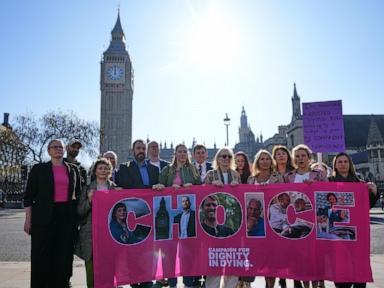
The dream of legal assisted dying in England and Wales didn’t end with a bang or a historic vote. It’s ending with a whisper and a stack of paperwork. As of Friday, April 24, 2026, the Terminally Ill Adults (End of Life) Bill is officially set to fall. It isn’t failing because the public changed its mind or because MPs suddenly had a change of heart. It’s failing because of a "procedural execution" in the House of Lords.
If you’ve been following this, you know the stakes. For thousands of terminally ill people, this wasn't just a political debate; it was a lifeline. But the clock has run out. With the current parliamentary session ending next week, there simply isn't enough time left to wade through the massive pile of amendments blocking the path.
The procedural wall that stopped the law
Politics is often a game of endurance, and in this case, the opponents had more of it. The House of Lords—the unelected revising chamber—managed to stall the Bill by filing over 1,200 amendments. To give you some context, that’s a record-shattering number for a backbench bill.
Because backbench legislation only gets debated on Fridays, time is the rarest currency in Westminster. By flooding the schedule with these amendments, peers essentially "talked the bill out." They didn’t have to win the argument; they just had to keep talking until the lights went out.
Charlie Falconer, the bill's sponsor in the Lords, didn't hold back his frustration today. He called it "procedural wrangling" that ignored the will of the elected House of Commons. Last June, MPs actually backed this thing. It had momentum. Now, it's just another casualty of the parliamentary calendar.
What the Bill actually proposed
The Terminally Ill Adults Bill was never a "free-for-all" for anyone tired of life. It was remarkably specific, and frankly, quite conservative compared to laws in places like Canada or the Netherlands.
- Eligibility: Only adults with a terminal diagnosis and less than six months to live.
- Approval: Two independent doctors and a High Court judge had to sign off.
- The Act: The patient had to be able to self-administer the lethal medication.
Critics argued these "safeguards" were flimsy. They worried about the "slippery slope"—the idea that once you allow this for the terminally ill, it eventually expands to include the disabled or those with mental health struggles. Others pointed to the sorry state of palliative care in the UK, arguing we should be helping people live better before we help them die sooner.
A fractured United Kingdom
The timing of this collapse is particularly stinging because the rest of the UK is moving in completely different directions. While Westminster stalls, the map of the British Isles is becoming a patchwork of end-of-life laws.
- Scotland: In a shock move last month, the Scottish Parliament rejected its own assisted dying bill. It was expected to pass, but the "no" vote effectively shut the door on the north for the foreseeable future.
- Jersey and the Isle of Man: These Crown Dependencies are charging ahead. Jersey passed its law in February 2026, and the Isle of Man is just waiting on Royal Assent.
- The "Death Tourism" Problem: We're looking at a bizarre reality where a resident of Liverpool has to stay in pain, while a resident of Douglas (Isle of Man) has an exit strategy. This creates a massive legal and ethical mess for the NHS.
Public opinion vs. Parliamentary reality
Here’s where it gets messy. Most polls show that about 75-80% of the British public supports the concept of assisted dying. But a recent April 2026 poll by JL Partners found a huge gap in understanding.
While people like the idea of "dignity in dying," only about 38% of respondents actually knew the bill involved a doctor providing lethal drugs. Many thought it was just about the right to refuse treatment (which is already legal) or better hospice care.
This gap gave the House of Lords the cover they needed. They aren't just "unelected zealots," as some MPs claim. They’re arguing that if the public doesn't truly grasp the gravity of the law, it shouldn't be rushed through.
What happens on Monday
The Bill will officially "fall" when Parliament is prorogued. It doesn't carry over. It doesn't wait in a queue. It simply ceases to exist.
If supporters want to try again, they have to start from scratch. That means a new bill, a new ballot for time, and a whole new round of debates after the King’s Speech on May 13. Kim Leadbeater, the MP who started this whole journey, has already promised she isn't going away.
But for those currently facing a terminal diagnosis, "starting again" is a luxury they don't have. They’re the ones left in the lurch by a system that prioritizes procedural rules over policy decisions.
If you’re looking for a way to stay involved or voice your opinion on what happens next, don't wait for the next session. Contact your MP now to ask where they stand on the reintroduction of the bill in May. The debate isn't over; the clock just reset.