A wounded soldier strapped himself to a six-rotor drone and flew out of a contested front line in the Kharkiv region after 491 days of isolation. That single mission, carried out in October 2026 using the Gurzuf Defence Heavy Shot Ayudag-6, didn't just make headlines—it forced defense planners everywhere to rethink casualty evacuation. For India, the Ukrainian drone rescue is a wake-up call, though not for the flashy reasons most people assume.
Honestly, watching a heavy-lift drone lift a person off a mined, drone-saturated battlefield looks like science fiction. Yet treating it as a plug-and-play blueprint for the Himalayas or contested borders would be a mistake. The real lesson for India isn't about building one heroic prototype. It's about fixing the gritty engineering, doctrine, and procurement gaps that sit between a cool demo video and a dependable combat tool. You might also find this similar coverage useful: Why the Australian Lawsuit Against Meta Changes Everything for Teens.
Why That Rescue Happened in the First Place
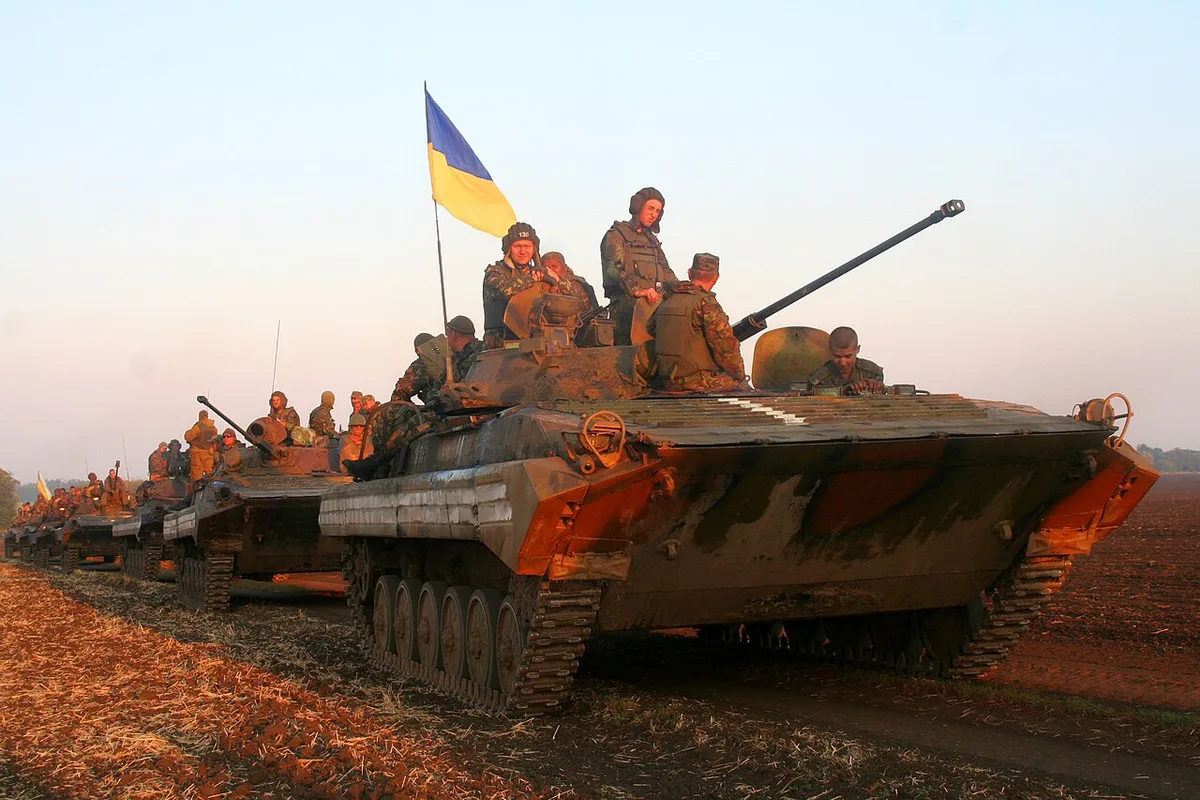
Kostiantyn Vlasenko spent 491 days holding a position near the front line, surviving severe leg injuries, losing his comrade during a February 2026 strike, and enduring months cut off from conventional relief. Ground evacuation was blocked by mines and constant overhead drone threats. Sending in a medical helicopter or an armored vehicle risked turning a rescue into a bigger tragedy.
So Ukrainian forces and Gurzuf Defence adapted the Heavy Shot Ayudag-6, a hexacopter rated for roughly 130 kilograms, to pull him out. Getting him airborne took months of planning, a careful dawn flight window when enemy drone activity dipped, intermediate battery swaps along the route, and prior drone drops of climbing gear plus a how-to video so he could secure himself alone. Within weeks, other platforms like SkyFall's StarGate—built with a medical capsule and twelve rotors across six arms—also entered front-line testing for casualty transport. As extensively documented in detailed reports by MIT Technology Review, the implications are significant.
Notice what made this work. Desperation and brutal necessity drove rapid field iteration. The aircraft wasn't flying in clean, uncontested skies. It operated inside a grueling electronic warfare and strike environment where every minute in the air carried risk.
Where Indian Drone Rescue Stands Right Now
India isn't starting from zero on heavy-lift unmanned systems. Indigenous startups and defense firms have been pushing cargo and heavy-payload platforms—such as Sagar Defence Engineering's Project Varuna, IG Defence's GAJA, and BonV Aero's Air Hans—aimed at logistics, high-altitude resupply, and difficult terrain. Commercial heavy-lift cargo drones in India also span tens of kilograms up to 100 kilograms or more depending on airframe design and battery trade-offs.
Still, lifting a crate of rations or medical kits to a forward post is worlds apart from evacuating a severely injured human being. A box doesn't panic, doesn't bleed out from oscillation or rough landings, and doesn't need climate or medical stabilization mid-flight.
Prototype Demos vs. Combat Reality
Here's where a lot of defense commentary gets ahead of itself. A drone lifting a test load or a person on a calm proving ground proves basic thrust and control authority. It doesn't prove survivability under GPS jamming, crosswinds, low visibility, or active enemy fire.
Heavy multirotors draw huge power to stay aloft. Add a human payload, medical gear, or a protective capsule, and flight time shrinks fast. In Ukraine, operators had to plan staging points for battery changes and coordinate supporting drones to manage threats along the flight path. For India, any heavy-lift evacuation concept has to be tested against real operational friction, not just smooth range trials.
Lessons from the Ukrainian Drone Rescue for India
When you strip away the drama, the Ukrainian drone rescue points to five practical takeaways for Indian planners, engineers, and defense leaders.
- Pick narrow, high-value missions first: Drones won't replace helicopters or ground ambulances across the board. Small landing zones, dense cover, heavy artillery, or mined approaches where manned aircraft can't land safely are the realistic niches.
- Engineer for wounded human physiology: A suspended harness swings; a rigid capsule adds weight and drag. Restraints, shock absorption, rotor downwash protection, and self-loading or assisted-loading procedures matter just as much as motor count.
- Treat power and range as hard constraints: High payload capacity and long range fight each other on battery-heavy airframes. Missions need realistic staging plans, swappable packs, or hybrid propulsion where endurance is tight.
- Build resilience against signal denial: Contested skies jam satellite navigation and datalink channels. Inertial/visual backup navigation and disciplined flight timing around threat windows are essential.
- Close the procurement and unit-ownership gap: Prototypes sit idle when no single operational unit owns training, maintenance, and doctrine. Clear requirements from the armed forces keep startups building toward real field needs rather than trade-show specs.
Altitude, Terrain, and Honest Trade-Offs
Applying lessons from eastern Europe to India requires looking closely at geography. High-altitude sectors in Ladakh, Sikkim, and Arunachal Pradesh thin the air, cutting rotor lift and testing battery chemistry in freezing temperatures. Dense forests, steep valleys, and sudden weather shifts create turbulence and line-of-sight headaches that flat open fields never present.
It's also fair to ask whether multirotor drones are even the right shape for longer Indian distances. Multirotors excel at vertical lift and tight pickup spots, yet fixed-wing or tilt-rotor designs often carry loads farther for the same energy. Frankly, India may get faster near-term wins by perfecting unmanned resupply and automated supply drops first, while treating human evacuation as a specialized, high-bar capability rather than a universal fix.
There are real limits here, and pretending otherwise doesn't help anyone. A heavy-lift drone is big, noisy, and visible. If an adversary spots it early, an evacuation flight can draw fire onto the exact spot you're trying to clear. That's why doctrine, timing, and escort or decoy measures have to evolve alongside the airframe.
Practical Steps for Indian Defense and Industry
If you work in defense tech, aerospace engineering, or operational planning in India, turning this moment into real capability takes concrete action rather than another panel discussion.
- Map exact evacuation blind spots: Audit forward posts and difficult terrain sectors where helicopters face severe exposure or landing limits, and define payload, altitude, and range envelopes for those specific routes.
- Run realistic stress trials: Test heavy-lift platforms with simulated human mass, rough-weather gusts, degraded navigation signals, and rapid battery-swap workflows instead of ideal test-range conditions.
- Standardize medical rigging and SOPs: Work with combat medics and human-factors engineers on harnesses, stretchers, capsule interfaces, and clear field checklists so injured personnel can be secured quickly and safely.
- Tie funding to operational trials: Structure defense procurement and innovation challenges around joint army-industry field evaluations with clear paths to low-rate initial production once reliability is proven.