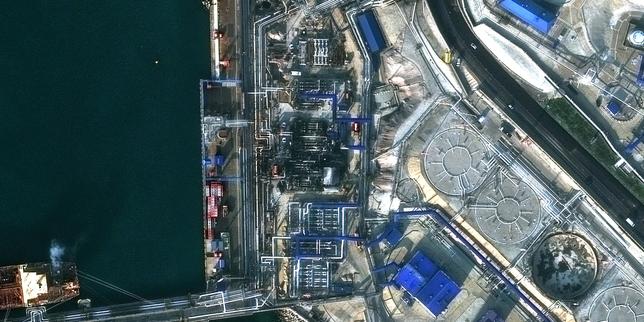
Ukraine just hit another Russian oil depot. Dark, thick smoke is pouring into the sky after a wave of Ukrainian drones targeted a major fuel facility inside Russia.
This is not a one-off incident. It is part of a deliberate, aggressive strategy designed to choke off the Russian military machine at its source. While the world watches the front lines in the Donbas, the real shifts in this conflict are happening hundreds of miles away, deep inside Russian territory.
If you want to understand where the war in Ukraine is heading, you have to look at the smoke rising from these energy hubs. Kyiv is no longer just defending its own territory. It is systematically taking apart Russia's economic lifeline.
The Reality Behind the Ukrainian Drone Campaign
For months, the Ukrainian military has focused heavily on long-range strike capabilities. Without a massive conventional air force, Kyiv turned to domestic drone production. The results are reshaping the conflict.
These attacks target the Achilles' heel of the Russian economy: refining capacity and fuel storage. Military vehicles run on diesel. Fighter jets require massive amounts of aviation fuel. By hitting these depots, Ukraine directly impacts Russia's ability to sustain high-intensity operations on the battlefield.
Western analysts initially worried these strikes would cause global energy prices to spike. Washington even urged caution. Kyiv listened, but kept launching the drones anyway. Why? Because from a purely military standpoint, it works.
How Ukraine Outmanevers Traditional Russian Air Defenses
Russia possesses some of the most advanced air defense systems in the world, including the S-400 tiers. Yet, cheap, slow-moving Ukrainian drones keep slipping through the net.
It comes down to math and geography. Russia is too big to protect everything.
- Low and slow flight paths: Ukrainian drones fly close to the terrain, hiding from radar systems designed to spot fast-moving missiles.
- Saturation tactics: Launching dozens of drones simultaneously forces Russian air defenses to waste expensive interceptor missiles on cheap targets.
- Intelligence sharing: Kyiv utilizes precise routing to bypass known radar installations, finding the blind spots in Russia's domestic grid.
When a drone hits a fuel tank, the secondary explosions do the real damage. A single successful strike can take a facility offline for months. Replacing specialized Western refining equipment under current sanctions is nearly impossible for Moscow right now.
The Economic Strain on Moscow
Every burning oil depot represents millions of dollars in lost revenue and destroyed infrastructure. Russia relies on energy exports to fund its war budget. When domestic facilities burn, the Kremlin faces a brutal choice. Do they prioritize fueling tanks at the front, or do they keep fuel flowing to Russian citizens to prevent inflation and shortages?
We are already seeing the cracks. Russia has previously banned gasoline exports to stabilize its domestic market. That is a direct consequence of the pressure Ukraine is applying to the refining network.
This strategy targets the psychological comfort of the Russian public too. For a long time, the war felt distant to residents of cities like Rostov, Voronezh, or Oryol. Now, they wake up to the sound of air sirens and the smell of burning petroleum. The conflict has arrived on their doorstep.
What This Means for the Front Lines
Don't expect the Russian front line to collapse tomorrow because of a single drone strike. War is about logistics, and logistics move slowly.
However, the compounding effect of these strikes is undeniable. Weeks from now, a Russian armored unit might find itself stationary because a fuel convoy arrived late. A combat sortie might get canceled because an airfield nearby is rationing aviation gas. Ukraine is playing the long game here. They are draining the reservoir so that the enemy eventually runs dry.
To stay updated on the shifting logistics of the conflict, track the location of these strikes against Russian supply routes. The closer the hits get to critical rail junctions, the higher the likelihood of a major disruption in upcoming battlefield operations. Watch the infrastructure, because that tells you where the true vulnerabilities lie.