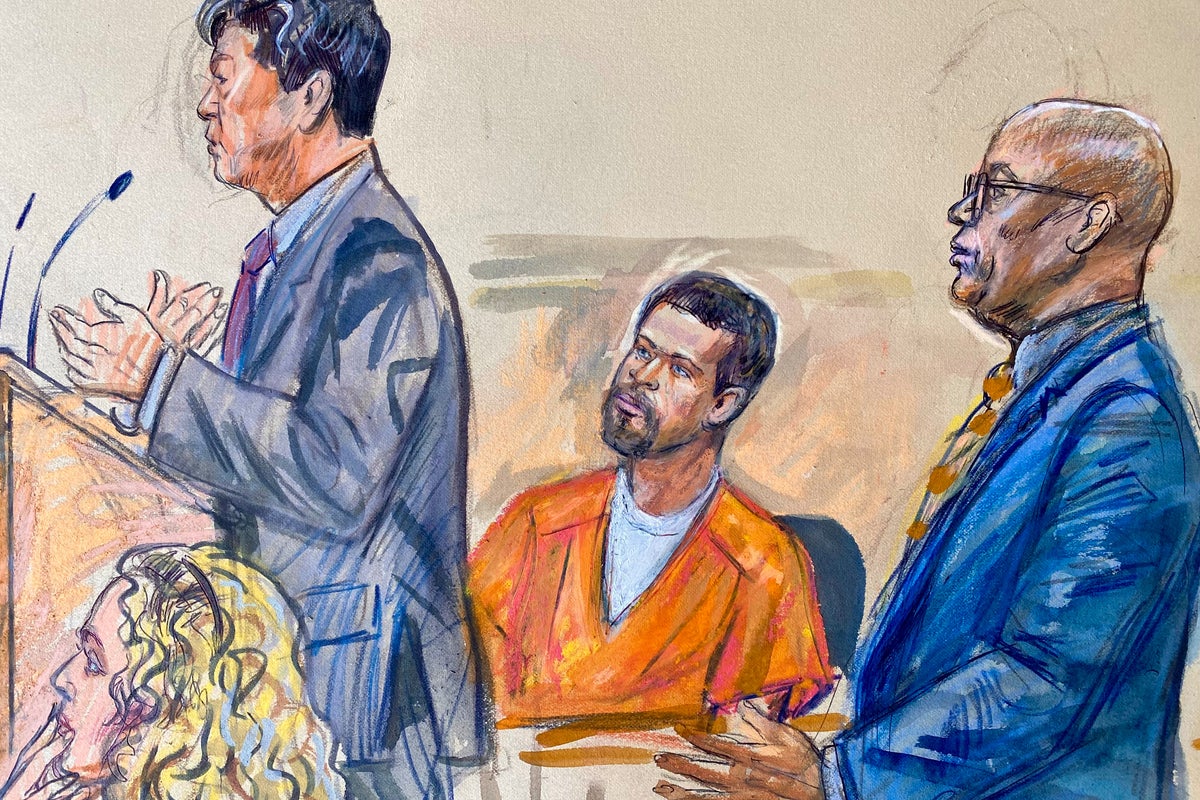
What happened in a D.C. courtroom recently wasn't just a legal proceeding. It was a bizarre collision of modern political tensions and judicial frustration. An American judge actually apologized to a man accused of firing shots outside the venue of the White House Correspondents’ Dinner. If that sounds upside down, you’re not alone in thinking so. This case involving Ryan Girouard isn't just about a localized incident of violence. It highlights a massive, growing rift in how the justice system handles politically charged actors compared to everyday defendants.
Why a Judge Felt the Need to Apologize
Judge Rudolph Contreras didn't just rule on the case. He went a step further by expressing regret to the defendant. The apology centered on how long Ryan Girouard had been held in custody before his trial. Girouard was accused of discharging a firearm near the Washington Hilton while the high-profile dinner was underway. Security was obviously at an all-time high. The city was on edge. But the legal process ground to a halt, leaving the accused in a cell for a period the judge deemed excessive.
It’s rare to hear a judge say "I'm sorry" to someone facing serious weapons charges. Usually, the bench remains a wall of neutral stone. In this instance, Contreras seemed moved by the delay, suggesting the system failed the individual's right to a speedy resolution. But the real fire started when the judge decided to draw a direct line between this case and the individuals prosecuted for the January 6 Capitol riot.
The January 6 Comparison That Sparked Outrage
Contreras didn't just mention the Capitol riot in passing. He used it as a benchmark for what he perceived as a double standard or a systemic clogging of the courts. He noted that many defendants from that day have faced prolonged detentions, sometimes in conditions that civil rights advocates have questioned. By linking a man accused of shooting near a presidential event to the "J6ers," the judge stepped into a political minefield.
Critics argue this comparison is a stretch at best and dangerous at worst. The January 6 defendants were part of a massive, coordinated effort to disrupt the certification of an election. Girouard's actions, while violent and reckless, appeared more like an isolated, perhaps mental-health-driven outburst. However, the judge’s point was simpler. He was looking at the "pretrial pulse" of D.C. courts. He basically suggested that the massive influx of January 6 cases has broken the system's ability to handle other defendants fairly.
Breaking Down the Charges Against Ryan Girouard
We need to look at what actually happened that night to understand why the apology felt so jarring to the public. Girouard wasn't just loitering. Prosecutors say he showed up near the Hilton, pulled a gun, and fired. This happened while the President of the United States, the Vice President, and the entire Washington press corps were inside.
- The Weapon: He had a semi-automatic handgun.
- The Location: Just blocks from where the most powerful people in the country were eating dinner.
- The Risk: Secret Service and local police were everywhere. This could have easily ended in a mass-casualty shootout.
Despite the gravity of the situation, the legal defense argued that Girouard wasn't a "terrorist" or a "political assassin." They painted a picture of a man in crisis. They argued he didn't intend to hurt anyone inside the ballroom. The judge seemed to lean into this narrative, or at least into the idea that Girouard shouldn't be treated like a high-level insurgent just because his crime happened near a political event.
A Broken System or a Biased Bench
You have to wonder if the D.C. court system is actually buckling under the weight of political trials. Since 2021, the Department of Justice has charged over 1,200 people in relation to the Capitol breach. That’s a massive workload for a single district. Judges are human. They get tired. They see the same types of cases every single day.
Contreras's apology might be a symptom of "docket fatigue." When every case involves "political violence" or "threats to democracy," the nuances of individual rights start to blur. If you're a defendant like Girouard, you might get lost in the shuffle. Or, as we saw here, you might become a pawn in a judge's larger frustration with how the DOJ is handling the post-2021 legal landscape.
The Public Perception Problem
This apology sends a confusing message to a country already divided on the rule of law. If you shoot a gun near a crowded event, most people expect a stern lecture and a long sentence. They don't expect a judicial "my bad."
The optics are terrible. It looks like the court is more concerned with the comfort of the accused than the safety of the public or the symbolic weight of the crime. By invoking January 6, the judge also signaled to a specific political base that he views those defendants as victims of a slow system. That’s a bold stance for a sitting judge. It undermines the idea that the judiciary is above the partisan fray.
What This Means for Future Cases
We are seeing a shift in how D.C. judges talk about detention. For years, the trend was "hold them and wait." Now, the pendulum is swinging back. Judges are starting to push back against the government's request for indefinite pretrial detention. This is a win for the Sixth Amendment, but it feels like a loss for common sense when it involves someone who allegedly fired a weapon in a crowded city center.
Expect more defense attorneys to use the "Girouard Precedent." They will point to this apology. They will cite the "January 6 backlog" as a reason why their clients should be released on bail or have their charges dropped. It's a savvy legal move, but it leaves the public wondering who is actually looking out for their safety.
Reality Check on Pretrial Rights
Let’s be honest. The right to a speedy trial is basically a myth in the current D.C. climate. The average wait time for a felony trial has ballooned. While we should care about the rights of the accused, we also have to recognize the unique nature of the White House Correspondents' Dinner incident. It wasn't a random shooting in an alley. It was a direct threat to the stability of a high-profile national event.
If the system is too slow, the answer isn't necessarily an apology from the bench. The answer is more resources, more judges, and a faster way to clear the massive backlog of political cases. Until that happens, we're going to see more of these weird, apologetic moments that make the law look weak.
Practical Realities of D.C. Law
If you find yourself following these cases, look at the specific statutes being used. Prosecutors are increasingly using "obstruction" and "weapons enhancements" to keep people behind bars longer. Judges like Contreras are clearly getting tired of these tactics.
- Watch the Bail Hearings: This is where the real battles happen. If a judge grants bail to someone like Girouard, it's a sign they don't buy the "danger to the community" argument.
- Follow the Sentencing Guidelines: Even with an apology, Girouard still faces significant time. An apology doesn't mean a "get out of jail free" card.
- Check the Judge’s History: Some judges are known for being "pro-defendant" when it comes to procedural rights. Contreras has a history of being stickler for the rules.
The legal system is messy. It's not a movie. Sometimes the "bad guy" gets an apology because the "good guys" didn't follow the clock. That’s the reality of the American courtroom in 2026. Keep an eye on how often January 6 is used as an excuse for judicial leniency in the coming months. It's becoming the go-to defense for anyone caught in the D.C. dragnet. Don't let the polite tone of a judge fool you; the stakes remain incredibly high for everyone involved. Reach out to your local legal aid or follow court transcripts directly if you want the unfiltered truth of how these cases are shifting. Stop waiting for the evening news to give you the full context. They won't.