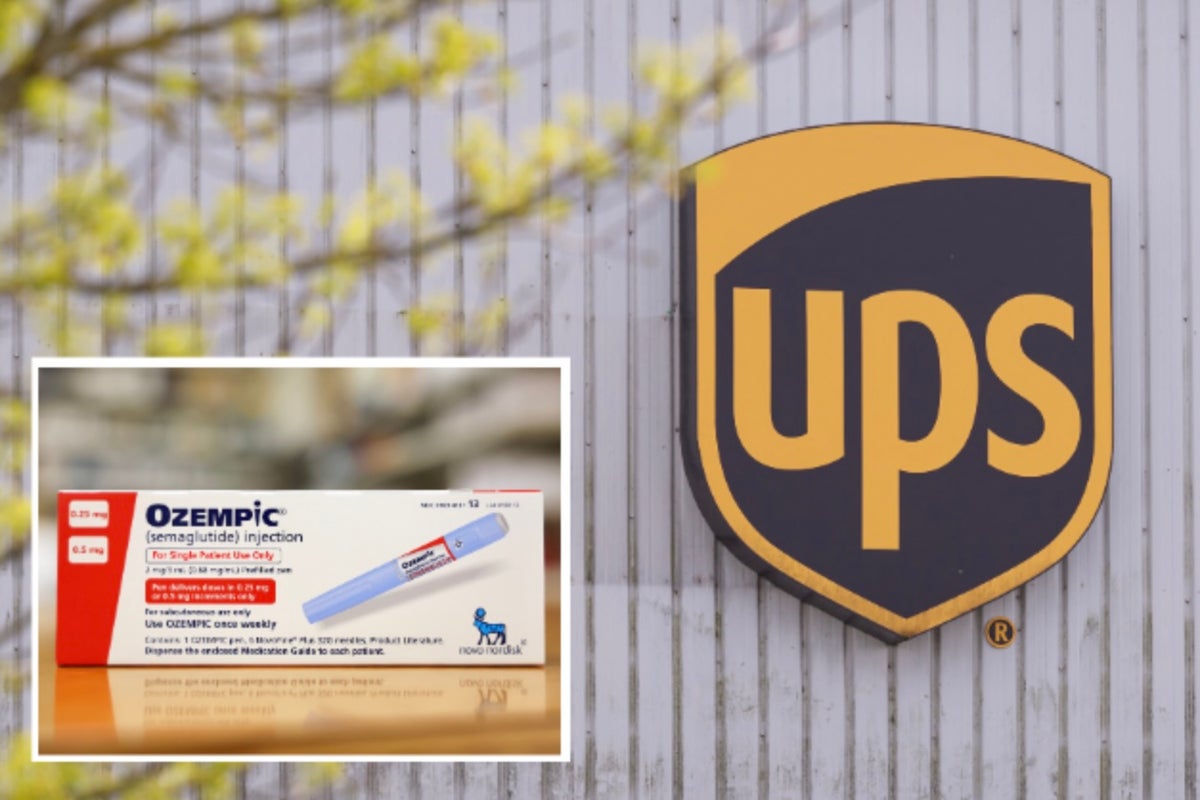
UPS is flashing a $48 million price tag to build out its cold-chain infrastructure, and the logistics world is clapping like trained seals.
The narrative is simple, clean, and entirely wrong: GLP-1 weight-loss drugs like Wegovy and Zepbound are booming, these biologics require strict temperature controls, so building more refrigerated warehouses equals guaranteed profit.
It sounds logical. It looks great in a press release. It is a catastrophic misreading of where biotech and supply chain technology are actually moving.
I have spent years analyzing logistics bottlenecks and watching multi-billion-dollar enterprises throw capital at yesterday’s problems. This $48 million investment isn't a bold play for the future. It is an expensive bet on a temporary constraint. UPS is building massive, centralized, cold-storage monuments right at the exact moment the pharmaceutical industry is engineering its way out of the refrigerator.
The Fatal Flaw in the GLP-1 Cold Chain Thesis
The current crop of blockbuster weight-loss drugs are peptides. They are delicate. If they get too warm, they denature and turn into highly expensive, useless liquid. Right now, they require a continuous cold chain maintained between 2°C and 8°C from the manufacturing plant to the patient's refrigerator.
The consensus view assumes this state of affairs is permanent. It assumes that because demand for GLP-1s is skyrocketing, demand for cold-chain shipping will scale in a perfect, linear line forever.
It won't.
Pharmaceutical companies hate the cold chain. It is expensive, high-risk, and prone to catastrophic failure. A single broken refrigeration unit or a pallet left on a tarmac for two hours can ruin millions of dollars in inventory. Novo Nordisk and Eli Lilly are not sitting idly by, accepting cold-chain logistics as an immutable law of nature. They are actively trying to kill it.
The Shift to Oral Formulations and Room-Temperature Stability
The race is already on for oral GLP-1 agonists—pills that do not require refrigeration. Small-molecule alternatives and stabilized peptide formulations are moving through clinical pipelines rapidly.
Furthermore, chemical stabilization techniques are advancing. The next generation of injectable biologics will likely utilize advanced excipients and formulation tweaks that allow them to remain stable at room temperature for months, if not years.
Imagine a scenario where Eli Lilly rolls out a shelf-stable weight-loss pill or a room-temperature stable injection pen in three years. Suddenly, the massive volume of refrigerated freight UPS is banking on evaporates. That $48 million investment in specialized, ultra-low-temperature facilities transforms overnight into a bloated liability with massive overhead and zero utility.
UPS is optimizing for the limitations of 2024 technology while ignoring the roadmap of 2028.
Dismantling the "People Also Ask" Consensus
When people look at the intersection of logistics and pharma, they ask the wrong questions because they accept flawed premises. Let's fix that.
Does the surge in pharma shipping justify massive cold-chain expansion?
No. The assumption is that volume equals profitability. In specialized logistics, volume without long-term contract security is a trap. If the underlying product shifts form factors—from a refrigerated liquid to a room-temperature solid—the specialized asset becomes useless. General ambient warehousing can handle pills. Cold-storage facilities cannot easily or profitably be converted to match the margins of specialized cargo once that cargo disappears.
Is cold-chain infrastructure a defensible moat for logistics giants?
Only in the short term. The moment refrigeration becomes a commoditized service offered by every regional mid-tier logistics provider, the margins collapse. FedEx, DHL, and a horde of specialized healthcare logistics firms are all chasing the same pool of temperature-controlled freight. By over-allocating capital to fixed brick-and-mortar refrigeration, UPS is tying up cash that should be spent on decentralized, last-mile agility.
The Real Bottleneck is Not Storage, It's the Last Mile
Let's look at the actual mechanics of pharma logistics. The failure point is almost never the massive, regional hub. Those facilities are highly regulated, backed up by industrial generators, and constantly monitored.
The real disaster happens in the last mile. It happens on the hot delivery truck, on the porch in Texas during July, or in the confused hands of a gig-worker delivery driver.
[Pharma Plant] ---> [UPS Mega-Hub (Safe)] ---> [Delivery Truck (Risky)] ---> [Porch/Steps (Critical Failure)]
Spending $48 million to expand the safest part of the chain while leaving the most volatile link untouched is institutional blindness. A perfectly chilled warehouse does not matter if the pen cooks on a doorstep for four hours because the homeowner is at work.
If UPS wanted to disrupt the space, they wouldn't build more walls and buy more compressors. They would invest that capital into smart, reusable, active-cooling packaging tech and closed-loop courier networks that guarantee point-to-point temperature verification right to the patient's hand.
The Downside of Being Right
To be fair, fighting the consensus carries risk. If oral GLP-1 formulations hit unexpected regulatory walls or suffer from poor efficacy compared to injections, the cold-chain demand will persist longer than the market anticipates.
If you choose not to build these facilities, you cede immediate, short-term revenue to competitors who are willing to take the gamble. For the next 18 to 24 months, these facilities will likely run at high capacity and generate solid returns.
But managing a business based on a two-year horizon while spending capital that requires a ten-year amortization schedule is how legacy giants slowly bleed out.
Stop Chasing Trends, Anticipate Disruption
Logistics executives love physical assets because they can see them, touch them, and put them on a balance sheet. It feels secure. But true operational resilience comes from flexibility, not concrete.
- Diversify Asset Utility: Do not build single-purpose clinical refrigeration space that cannot be repurposed for ambient high-value tech or standard electronics at a moment’s notice.
- Invest in Packaging, Not Warehouses: Shift capital toward phase-change material (PCM) packaging innovations that maintain temperature autonomously, rendering the temperature of the warehouse itself irrelevant.
- Price for Obsolescence: If you must build dedicated cold-chain facilities for a hyper-trendy drug class, structure your pharmaceutical contracts to recoup your entire capital expenditure within three years. Do not bank on a decade of steady volume.
The market rewards those who see where the puck is going, not those who build a multimillion-dollar stadium where the puck happens to be sitting right now. The weight-loss drug boom is real, but the cold-chain dependency is a fleeting artifact of early-stage biotechnology.
Stop building refrigerators for a world that is learning to live without them.


