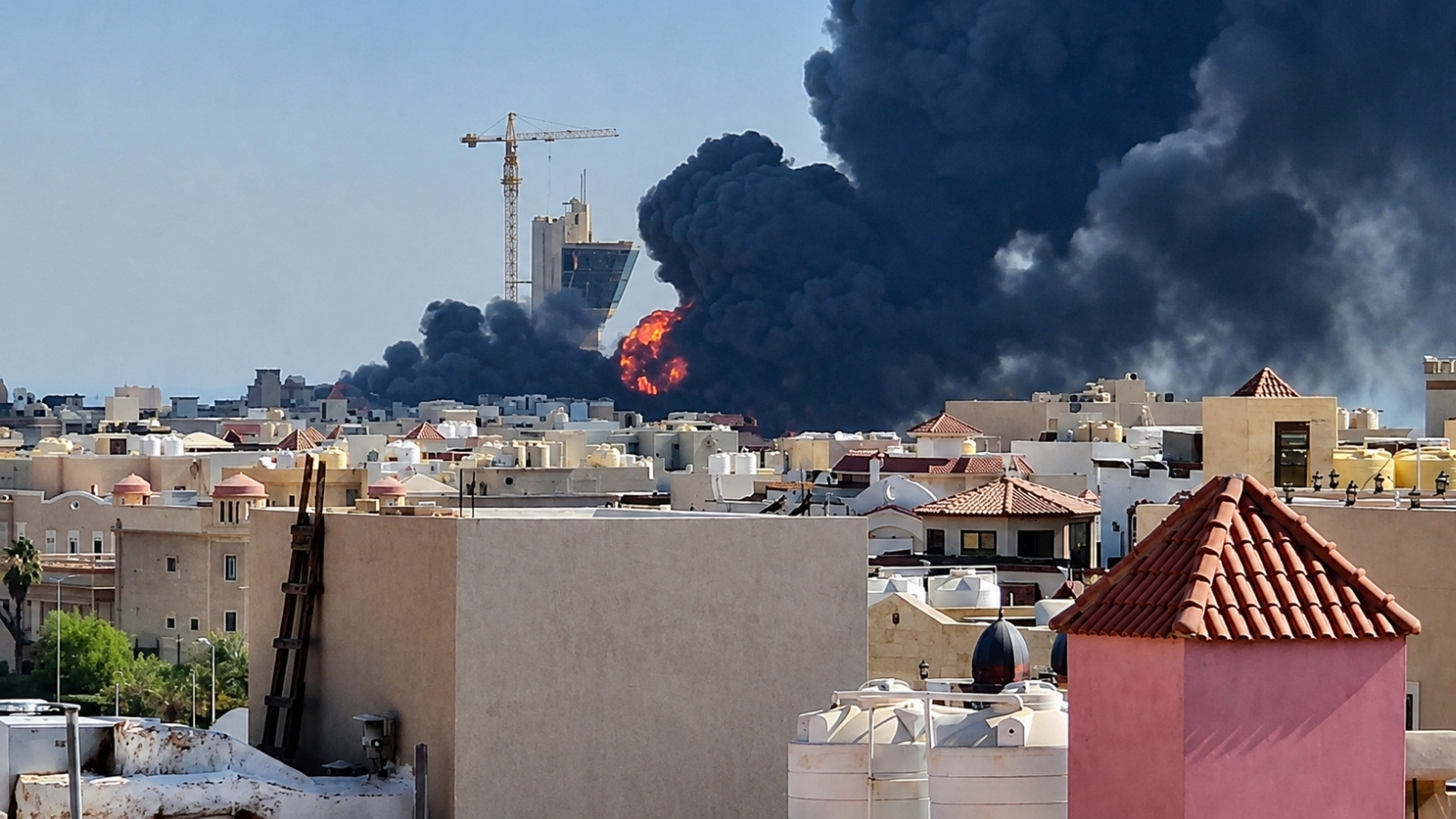
The mainstream media is currently mourning a ghost. For weeks, newsrooms have flooded the internet with timelines, infographics, and breathless breakdowns tracking the "collapse" of the United States-Iran peace process. They treat diplomacy like a fragile glass sculpture shattered by sudden, unexpected turbulence.
They are asking the wrong question. They want to know why the peace deal unravelled. The real question is how anyone with an understanding of geopolitical architecture believed a couple of signed papers and photo-ops constituted a foundational shift in the Middle East.
The consensus narrative is lazy. It blames rogue actors, bad timing, or a sudden lack of political will for the breakdown. This is a fundamental misunderstanding of statecraft. The recent escalation was not an anomaly; it was the mathematically predictable outcome of a deeply flawed framework. The ceasefire did not collapse. It functioned exactly as designed—as a temporary pause for both sides to reload.
The Myth of the Rational Peace
Mainstream analysis relies on a naive assumption: that both Washington and Tehran view peace as the ultimate prize. In reality, state survival and regional hegemony dictate terms, not a desire for global harmony.
When regional powers negotiate, they are not looking for a permanent exit ramp from conflict. They are managing risk. For Iran, engaging in diplomatic theater provides temporary relief from crippling economic sanctions while allowing its network of regional proxies to fortify their positions. For the United States, it offers a temporary geopolitical breather to focus on domestic election cycles or shifting priorities in the Indo-Pacific.
I have spent years analyzing the backroom mechanics of Middle Eastern policy. The pattern never changes. Diplomatic breakthroughs are almost always optical illusions manufactured for domestic consumption. When a administration boasts about a historic breakthrough, look at what is happening on the ground, not at the signing ceremony.
Why Paper Agreements Fail against Proxies
The fatal flaw of the recent diplomatic framework—and the Joint Comprehensive Plan of Action (JCPOA) before it—is the delusion that you can separate Iran’s nuclear ambitions from its regional behavior.
Diplomats love silos. They want to isolate the nuclear file because it is measurable. You can count centrifuges. You can weigh enriched uranium. It fits neatly into a spreadsheet.
What you cannot easily measure or control through a traditional treaty is gray-zone warfare. Iran’s security strategy does not rely exclusively on a conventional military or a nuclear warhead; it relies on asymmetric deterrence. By funding, training, and arming localized forces across Lebanon, Yemen, Iraq, and Syria, Tehran created a decentralized defense network.
[Traditional Treaty Model] -> Focuses only on Central State Actions (Centrifuges, Missiles)
                                      |
                                      v
                                Leaves Proxy Networks Intact
                                      |
                                      v
[Result] -> Inevitable Friction and Strategic Miscalculation on the Ground
A ceasefire signed in a European capital means nothing to a local commander on the ground in the Levant. When a localized militia fires a drone at a shipping lane or a military outpost, the entire diplomatic house of cards falls apart. The Washington establishment calls this a "violation of the spirit of the agreement." It is not. It is the continuation of a long-term strategic doctrine that a piece of paper was never going to alter.
The Incentive Structures of Conflict
Let us dismantle the premise that peace is profitable for the leadership on either side.
In Tehran, the ruling elite derives its domestic legitimacy from its stance against Western imperialism. Total normalization with the West would remove the primary justification for the internal security apparatus. The regime needs an external adversary to justify its economic mismanagement and suppression of domestic dissent.
In Washington, hawkish factions and defense interests view any concession to Iran as a sign of weakness. The political cost of maintaining a hardline stance is virtually zero; the political cost of defending a fragile peace deal is immense. The moment a deal encounters a hiccup, political opponents weaponize it.
Therefore, the path of least resistance for political actors in both countries is a return to hostility. Conflict is predictable. Conflict keeps budgets high and domestic bases energized. Peace is risky, volatile, and politically expensive.
Dismantling the PAA Consensus
If you look at the "People Also Ask" sections across search engines, the queries reveal a desperate desire for simple answers:
- Was the ceasefire sustainable? No. It was built on the assumption that a state would willingly dismantle its primary means of regional leverage in exchange for temporary economic relief.
- Who broke the agreement? Neither and both. The agreement was structured around ambiguous red lines that guaranteed both sides would interpret standard military maneuvers as a breach of trust.
- Can the peace deal be revived? It cannot be revived because the original premise was a fiction. You cannot revive something that never possessed structural viability.
Stop asking how to fix the broken framework. The framework itself is the problem.
The Brutal Reality of Regional Deterrence
The hard truth that polite society refuses to acknowledge is that stability in the Middle East is maintained through deterrence, not diplomacy.
This is not an endorsement of forever wars or reckless military intervention. In fact, aggressive regime-change strategies have historically exacerbated regional instability. But acknowledging the reality of hard power is essential. A balance of power keeps the peace, however cold and uncomfortable that peace might be.
When the United States entered negotiations with the illusion that it could transform Iran into a standard status-quo power through economic integration, it created a vacuum. Regional adversaries, sensing a shift in American resolve, escalated their activities to test the new boundaries. The resulting friction is what the media mislabels as a sudden "collapse."
The cost of this contrarian view is high. It means accepting that there are no quick fixes, no historic treaties waiting to be signed, and no grand bargains that will magically stabilize the region. It requires policy makers to abandon the dopamine hit of a signing ceremony and commit to the grinding, unglamorous work of managing a permanent geopolitical rivalry.
The illusion of a diplomatic breakthrough is dead. Good. Now the real work of managing regional reality can begin. Stop looking back at a flawed timeline of a broken deal and start looking at the balance of power on the ground. That is where the future is written.