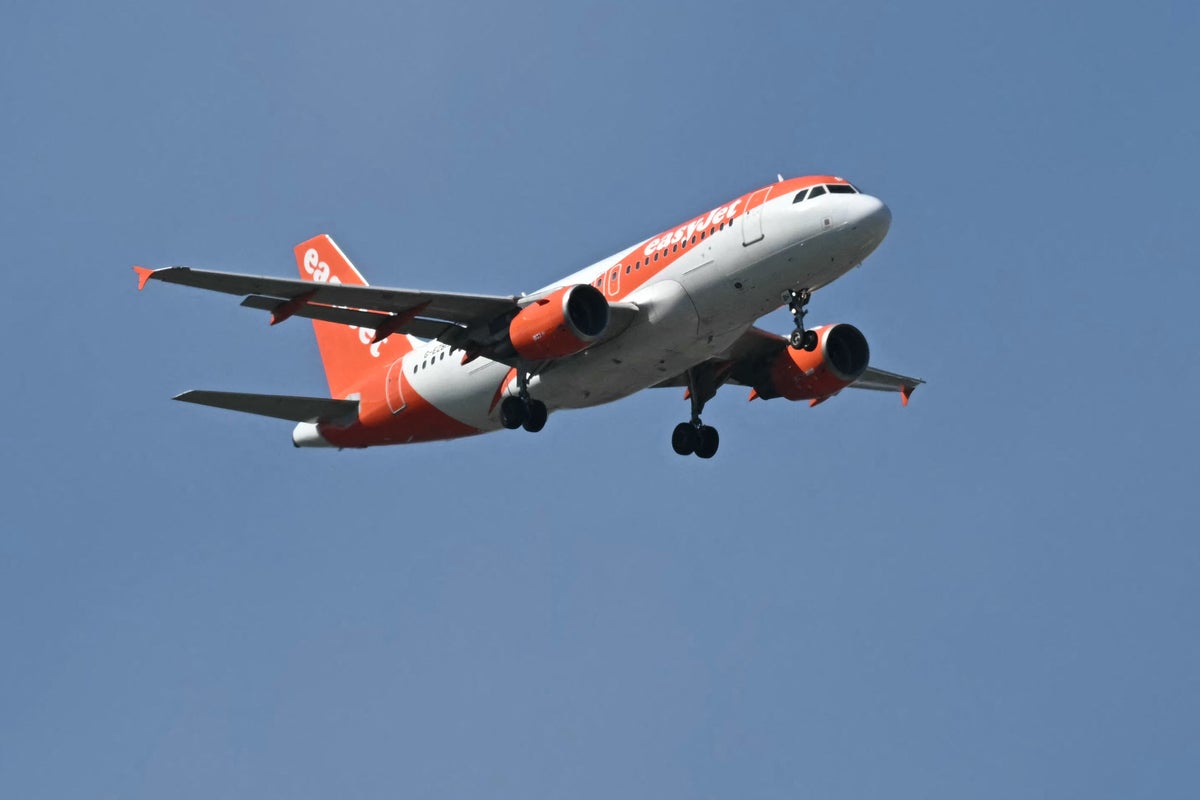
The vultures are circling the London Stock Exchange again. This time, they are flying low over the aviation sector.
US investment giant Castlelake just went public with its interest in easyJet, revealing it owns a 2.14% stake and is weighing up a formal takeover bid. The minimum price on the table? 403.23p per share, valuing the budget carrier at £3.06 billion. Also making headlines lately: Why the Middle East Conflict is Shrinking UK House Prices.
Unsurprisingly, easyJet’s board fired back immediately, calling the move "highly opportunistic." They aren't wrong. The airline's share price has been battered, sliding roughly 30% over the last year. Geopolitical conflict in the Middle East has driven up jet fuel prices and spooked holidaymakers, making easyJet look like an absolute bargain for American private capital.
But behind the corporate sparring lies a much larger story about market vulnerability, complex regulatory walls, and the slow bleed of the London stock market. More information into this topic are explored by CNBC.
The Hunting Ground on the Thames
Let’s be honest about why Castlelake is knocking on the door right now. The British stock market is practically running a closing-down sale for foreign investors. UK-listed companies are trading at massive discounts compared to their US peers, turning the FTSE 250 into a hunting ground for private equity.
We’ve already seen heavyweights like Flutter Entertainment and CRH pack their bags for overseas listings. If easyJet gets swallowed by US private capital, it’s another massive blow to London's financial prestige.
Castlelake isn't a novice playing around with airline stocks. They manage $36 billion in assets and have deep roots in aviation credit. They previously bailed out Scandinavian Airlines (SAS) before flipping their shares to Air France-KLM, and they’ve financed fleets for Virgin Atlantic. They know how much easyJet's airport slots and brand are actually worth when the market isn't panicked about geopolitical oil spikes.
Interactive Investor’s head of markets, Richard Hunter, pointed out that this bid perfectly capitalizes on a temporarily depressed share price. EasyJet just got its traditionally loss-making winter half-year out of the way. Meanwhile, its holiday division is growing rapidly. Castlelake is trying to buy the bottom of the cycle, and easyJet knows it.
The Massive Regulatory Wall Facing a Deal
If you think this is a done deal, you don't understand European aviation law. Buying a major European short-haul airline isn't like buying a retail chain. There are strict rules governing who can actually own these companies.
Under post-Brexit rules that mimic EU law, any airline operating within the region must be majority-owned and controlled by UK or EU nationals. If a US investment firm takes 100% ownership of easyJet, the airline instantly loses its operating licences in Europe. It wouldn't be allowed to fly between Paris and Milan, or Berlin and Palma. Just like that, the business model breaks.
RBC Capital Markets analyst Ruairi Cullinane notes that these ownership structures create considerable execution challenges for Castlelake if they try to go it alone.
How do private equity firms get around this? They usually have to form complex consortiums with local European partners or structure the deal with non-voting shares. It is messy, expensive, and a bureaucratic nightmare.
Short Sellers and Advisor Armies
The market reaction was swift. EasyJet shares spiked by up to 12% in early Monday trading, soaring past the 403p minimum floor mentioned by Castlelake to hit 444.7p. That surge tells us two things. First, shareholders want a higher premium. Second, the short-sellers are hurting.
EasyJet has been a massive target for short-sellers recently. Disclosed short positions sat at 5.5% of its outstanding shares right before the announcement, the second-highest level among European airlines after Wizz Air. Traders were heavily betting that rising fuel costs from the Iran war would drag the stock down further. This sudden takeover talk forced those short-sellers to scramble and buy back shares, fueling the morning price spike.
EasyJet isn't sitting back waiting to be eaten. They've already built a formidable defense wall. The airline has hired legendary UK banking veterans Simon Robey and Simon Warshaw from Evercore, alongside corporate brokers BNP Paribas and Panmure Liberum, to map out their strategy.
The defense line is clear: easyJet has an investment-grade balance sheet, a net cash position, and a clear path toward its medium-term target of £1 billion in pre-tax profits. They are telling Castlelake to put up real money or walk away.
What Happens Next
Under UK takeover rules, Castlelake has a strict deadline. They must either announce a firm intention to make an offer or walk away by 5:00 PM on June 26.
If you hold easyJet shares, the smart move right now is to follow the board's advice and do absolutely nothing. Do not sell into the current volatility. The initial 403p indication is low, and the market has already priced easyJet above that mark.
If Castlelake wants this prize, they will have to return with a significantly sweeter offer that accounts for the soaring value of easyJet Holidays. If they walk away, the underlying business remains financially solid, despite temporary regional headwinds. Expect a tense three weeks of public posturing and behind-the-scenes calculations before the June deadline.