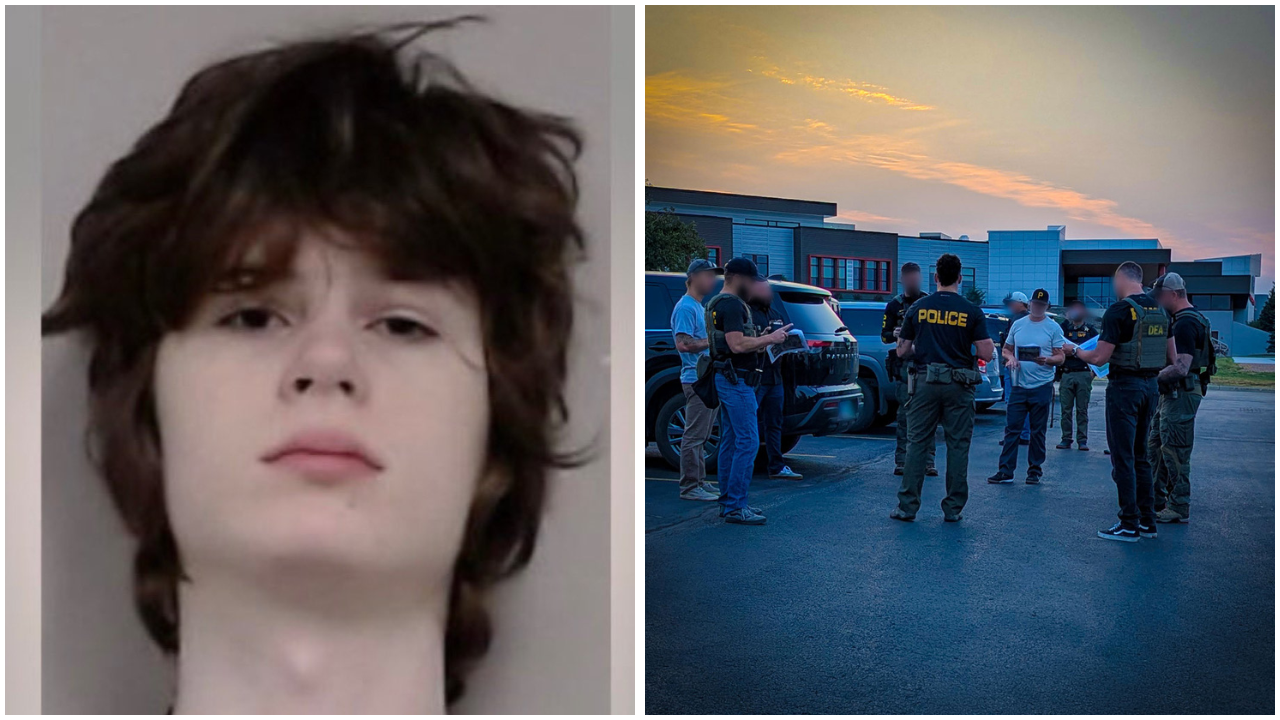
Dehumanizing language in a teenager's alleged manifesto isn't just dark internet noise. It's an early warning flare that law enforcement and community leaders too often treat as a side note until someone starts buying gear.
When a headline flags a US temple attack plot involving a teen whose alleged manifesto describes Indians as subhumans, people usually lock onto two extremes. Some dismiss it as edgy online shock value from a kid who couldn't possibly follow through. Others panic and assume every angry post online means an imminent strike. Both reactions miss how modern radicalization actually works. Honestly, if you've spent years watching threat briefings, extremism researchers, or security reports, you know the real danger sits right in the middle—in the quiet shift from abstract hatred to operational planning. If you found value in this piece, you might want to check out: this related article.
Let's be crystal clear about limits right out of the gate. Because no verified case file, court indictment, or confirmed text from a specific plot is provided here, I won't pretend to quote lines from an unverified document or invent names, dates, or cities. Instead, I want to walk through why plots centered on houses of worship—and specifically Hindu temples or Indian diaspora communities in the United States—carry distinct security dynamics, how extremist manifestos use dehumanizing labels like "subhumans," and what practical steps communities and families can actually take without living in fear.
What Dehumanizing Language Signals in an Alleged Manifesto
Words like "subhumans" do heavy psychological lifting before a single physical step happens. Extremism scholars, including researchers at institutions like the Anti-Defamation League Center on Extremism and the National Consortium for the Study of Terrorism and Responses to Terrorism (START), have documented for years how violent actors lower their internal moral barriers. Calling a group subhuman strips away shared moral standing. Once a target group is framed as less than human in a writer's mind, harm stops looking like violence to the offender and starts looking like "defense," "cleansing," or "retribution." For another angle on this development, check out the latest coverage from The New York Times.
That doesn't mean every manifesto equals a completed attack. Far from it. Plenty of teenagers write grand, hateful, or chaotic tracts online to chase clout, shock peers, or vent grievances without ever crossing into real-world violence. Anyone who works in threat assessment will tell you that treating every edgy document identically wastes investigative bandwidth. At the same time, ignoring dehumanizing rhetoric because "it's just a teen" is a classic mistake. Threat analysts look for leakage—the moments when an offender reveals grievances, targets, or intent—alongside behavioral shifts like isolation, fixation on weapons or tactical maps, and sudden changes in routine.
There's also a specific cultural wrinkle when anti-Indian rhetoric shows up in American extremist circles. Historically, mainstream US counterterrorism frameworks were built heavily around cold war rivalries, jihadist networks, or domestic white supremacist groups with familiar symbols. Diaspora communities, religious minorities, and newer immigrant groups sometimes find their threats under-analyzed or misclassified at first glance. Even when investigators catch a plot early, community members often feel a jarring gap between how visible the threat felt to them and how slowly institutions named it.
Why Houses of Worship Remain High-Sensitivity Targets
Temples, mosques, gurdwaras, churches, and synagogues share a built-in vulnerability. They're open. Welcoming strangers isn't a flaw in a faith community's design—it's the whole point of hospitality, prayer, festivals, and shared meals.
Bad actors exploit that openness. A temple campus might host a quiet weekday morning session with just a handful of worshippers, then swing to hundreds of people during a weekend event or major festival. Security needs shift wildly from hour to hour, yet many religious spaces run on tight volunteer budgets and shoestring safety plans. You can't turn a place of worship into a maximum-security bunker without killing the spirit of the place. You shouldn't try. What works better is layered, low-friction awareness that respects worship while closing obvious blind spots.
Here's where people often get tripped up by common myths about house-of-worship security:
- Myth one: Only big city temples face risk. Smaller suburban or regional centers can actually be more exposed because they have fewer eyes around during off-peak hours and less formal coordination with local police.
- Myth two: Hiring an armed guard solves everything. A guard sitting on a stool without a clear emergency plan, sightline awareness, or coordination with volunteers can create a false sense of security.
- Myth three: Talking about threats makes kids more anxious. Calm, age-appropriate conversations about boundaries and safety actually reduce helplessness compared to hushed whispers and sudden lockdowns.
I've seen well-meaning board members argue for months over cameras versus greeters while leaving side doors unlocked during evening programs. That's backwards. Simple habits—knowing who is locking up, keeping emergency exits clear, and having a clear point of contact with local law enforcement—usually beat expensive gadgets when things go sideways.
How Teen Radicalization Accelerates Online
When a plot involves a teenager, the timeline can look weirdly compressed. A kid doesn't need years in a formal extremist organization anymore. Algorithms, chat rooms, memes, and fringe forums can compress grievance, identity confusion, and violent fantasies into a few months—or even weeks.
Researchers studying youth radicalization point to a messy mix of ingredients rather than a single trigger. Social isolation plays a big role. So does boredom, academic or family friction, untreated mental health struggles, and a hunger to belong to something that feels forbidden or weighty. In online spaces, dehumanizing insults get recycled as inside jokes until the jokes harden into conviction. A teen writing about groups as "subhumans" might be mimicking tropes borrowed from broader extremist subcultures while stitching on their own local grievances.
Parents and teachers often miss the early signs because the behavior looks like ordinary teenage moody withdrawal at first. Staying in a bedroom all weekend? Annoying, sure, maybe typical. Pairing that isolation with sudden obsession over violent manifestos, weapons, or targeted groups? That crosses a line. And let's be honest: lecturing a teenager out of extremism in a single tense kitchen-table talk rarely works. Real intervention usually takes calm boundaries, removing access to harmful channels or materials, and getting qualified mental health or threat-intervention professionals involved early.
Practical Next Steps for Families and Temple Communities
Reading about a plot like this leaves a heavy feeling in your stomach, especially if you or your family visit temples or live in a tight-knit community. Turning that unease into smart, steady action beats doomscrolling every single time.
If you're part of a temple leadership team, board, or volunteer group, start with grounded, practical basics:
- Schedule a non-emergency walkthrough with local police. Ask a community liaison officer to walk the building and grounds, point out blind spots, and review how to report suspicious behavior fast. Resources from the Cybersecurity and Infrastructure Security Agency (CISA) on houses of worship security also lay out clear, plain-English checklists for faith organizations.
- Clarify basic access and emergency roles. Make sure volunteers know which doors stay locked during services, how medical or evacuation emergencies are handled, and who calls 911 first—so nobody stands around wondering who's in charge.
- Keep community channels open without stoking panic. Share clear, factual updates with congregants when incidents hit the news, and remind members how to flag odd behavior around parking lots or entrances to leadership.
If you're a parent, mentor, or friend worried about a young person soaking up toxic content online, focus on early, concrete moves:
- Watch patterns, not just one bad comment. Pay attention to escalating hatred, fascination with violent manifestos or attacks, and withdrawal from healthy offline friendships.
- Reach out for help before a crisis peaks. If you suspect someone is moving from hateful talk toward real-world harm, contact local law enforcement or established threat-assessment and crisis support services right away.
- Keep conversations grounded and specific. Ask what they're seeing online, push back plainly against dehumanizing ideas without turning it into a screaming match, and stay involved in their day-to-day life.
Threat prevention works best when it's boring, consistent, and human. You don't need sensational headlines to stay sharp—just clear eyes, steady routines, and communities willing to look out for one another before trouble arrives.