Most people hear "sanctions" and tune out immediately. They picture bureaucrats in Washington pushing paper around while overseas billionaires shrug and move their money to another island.
That's a mistake here. When the U.S. Treasury Department targets Canadian companies tied to former Olympic snowboarder Ryan Wedding and Iranian networks, it isn't just diplomatic theater. It's a direct strike at how modern transnational crime and state-sponsored sanctions evasion actually share the same plumbing.
You've probably seen the headlines about Ryan Wedding, the Canadian athlete who competed in the 2002 Salt Lake City Winter Olympics before allegedly trading the slopes for a massive cocaine trafficking empire. You've definitely seen decades of news about Iranian financial networks dodging Western restrictions. What most people miss is how these two seemingly separate worlds collide inside ordinary-looking Canadian corporate registries.
What Actually Happened With the Treasury Sanctions
The U.S. Department of the Treasury's Office of Foreign Assets Control (OFAC) uses financial designations to cut bad actors off from the U.S. banking system. Because the American dollar remains the backbone of global trade, landing on the Specially Designated Nationals and Blocked Persons (SDN) list is basically a financial death sentence for legitimate business operations.
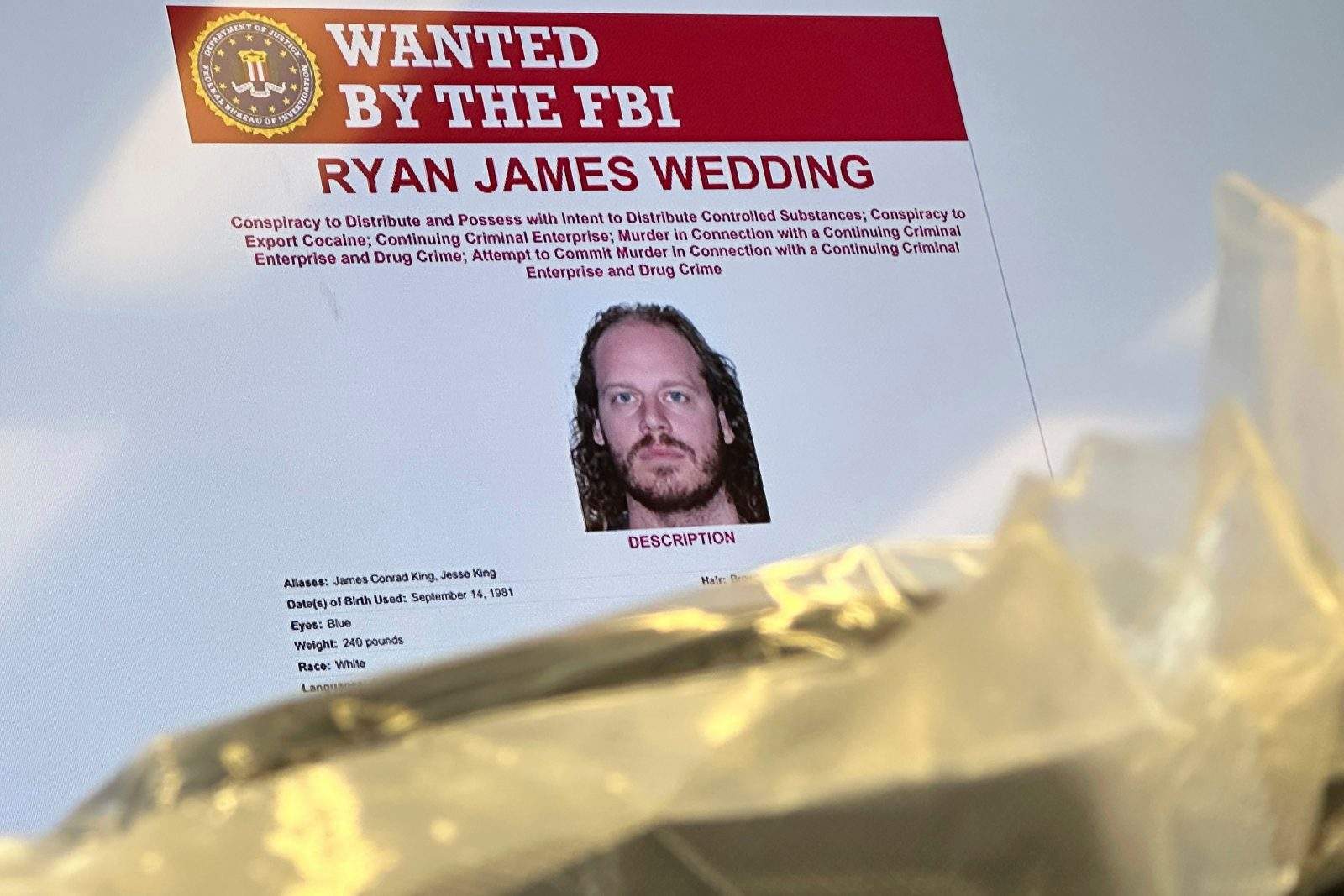
In this enforcement wave, U.S. officials zeroed in on corporate entities registered in Canada that served as front companies, money laundering vehicles, or logistical cutouts. Some of these entities linked back to the sprawling criminal enterprise associated with Ryan Wedding, a fugitive who landed on the FBI's Ten Most Wanted Fugitives list after federal prosecutors accused him of running a violent, multi-national narcotics ring moving ton quantities of cocaine from Colombia through Mexico and Southern California into Canada.
At the same time, Treasury enforcement actions targeting Iranian-linked Canadian firms exposed how Tehran's procurement and illicit finance networks use North American jurisdictions to disguise transactions. On paper, these businesses look like standard import-export firms, consulting groups, or holding companies. Behind the curtain, they're moving value across borders without triggering immediate red flags at correspondent banks.
Here's why that matters to anyone paying attention to global security or financial compliance. When OFAC designates a Canadian firm, any property or interests in property belonging to those entities within the United States—or in the possession of U.S. persons—are immediately blocked. Even more importantly, foreign financial institutions that knowingly facilitate significant transactions for designated entities risk secondary sanctions. Canadian banks, which rely heavily on access to U.S. correspondent accounts to clear dollar transactions, don't wait around for Ottawa to issue matching orders. They freeze accounts the second the OFAC list updates.
The Strange Intersection of Cartel Logistics and Iranian Networks
It sounds like a thriller novel plot. A former Canadian Olympian turned alleged cartel boss and Iranian state-linked financial operatives using the same jurisdictional loopholes. Honestly, when I first started tracking cross-border sanctions enforcement years ago, I assumed drug traffickers and state-sponsored sanctions evaders operated in completely separate universes.
They don't. Not anymore.
Modern illicit finance runs on shared infrastructure. Money brokers, shell company formation agents, trade-based money laundering (TBML) networks, and unregulated crypto-to-cash corridors don't care about ideology. A professional money laundering organization in Toronto or Vancouver will happily clear funds for a Sinaloa-linked cocaine pipeline in the morning and settle an invoice for a sanctioned Iranian front company in the afternoon.
Let's break down why Canada keeps showing up in U.S. Treasury press releases.
For years, financial crime investigators—including researchers at organizations like Transparency International Canada and the Financial Action Task Force (FATF)—warned about "snow washing." That's the practice of hiding dirty money behind opaque Canadian corporate structures. Until recent federal beneficial ownership registry reforms began rolling out, setting up a numbered company in certain Canadian provinces required less identity verification than getting a library card.
Bad actors noticed. If you're running a cross-border trafficking operation like the one attributed to Ryan Wedding, you need clean corporate fronts to launder millions in cash proceeds, lease transport assets, and pay off associates. If you're trying to bypass U.S. sanctions on Iran, you need North American corporate entities that don't immediately scream "Tehran" when a compliance officer runs a basic database check.
Why Washington Steps In When Canadian Firms Cross the Line
A common question readers ask is simple: Why is the U.S. Treasury sanctioning Canadian companies instead of letting Canadian authorities handle it?
The answer comes down to jurisdiction, speed, and leverage.
Criminal prosecutions in Canada take years. Disclosure rules under Canadian law (famously shaped by the Stinchcombe ruling) require prosecutors to turn over massive volumes of investigative material to defense counsel, which frequently stalls complex transnational cases. Civil asset forfeiture moves slowly, too.
OFAC operates on a completely different clock. Treasury designations are administrative actions, not criminal convictions. The evidentiary threshold is "reasonable cause to believe" rather than "beyond a reasonable doubt." That allows Washington to sever a network's financial arteries in days rather than waiting five years for a trial in Ontario or British Columbia.
And because the U.S. financial system sits at the center of North American commerce, an OFAC designation hits a Canadian company almost as hard as a domestic court order. No major Canadian bank wants to explain to the Federal Reserve or the Treasury Department why it kept an account open for an SDN-listed entity. Compliance teams at institutions like RBC, TD, and Scotiabank automate their screening against OFAC lists daily. Once a firm's name drops on the Treasury website, its credit lines vanish, its wire transfers bounce, and its directors suddenly find themselves toxic to every legitimate accountant and lawyer in the country.
Who Ryan Wedding Is and Why His Network Drew Federal Heat
To understand the enforcement intensity, you have to look at the scale of the alleged network tied to Ryan Wedding. Born in Thunder Bay, Ontario, Wedding represented Canada in the parallel giant slalom at the 2002 Winter Olympics. Years after his athletic career ended, his name began surfacing in federal narcotics investigations.
According to indictments unsealed by the U.S. Department of Justice and corroborated by FBI wanted bulletins, Wedding—allegedly operating under aliases like "El Jefe," "Giant," and "Public Enemy"—built a ruthless trafficking syndicate. Federal authorities accused his organization of shipping hundreds of kilograms of cocaine per run from Colombia, through Mexico, into Southern California, and onward into Canada using long-haul semi-trucks.
Prosecutors didn't just charge drug distribution. They alleged witness intimidation and multiple murders ordered to protect the enterprise and retaliate against stolen shipments. When a criminal network reaches that level of violence and cross-border reach, the U.S. government stops treating it as a standard street-level narcotics case. They treat it as a national security threat and deploy Treasury's financial warfare tools alongside FBI manhunts.
Sanctioning the corporate entities and facilitators connected to these operations starves the organization of the logistics it needs to survive. You can't easily move multi-ton shipments across international borders without legitimate-looking freight companies, holding firms, and financial cutouts to absorb and clean the cash.
How Iranian Sanctions Evasion Mirrors Transnational Crime
On the other side of the ledger, U.S. Treasury actions involving Iranian-connected firms in Canada follow a remarkably similar playbook. Since Washington reimposed sweeping sanctions on Tehran following the 2018 withdrawal from the Joint Comprehensive Plan of Action (JCPOA), Iranian procurement agents and financial facilitators have leaned heavily on third-country front companies.
Instead of wiring money directly from an Iranian bank—which gets blocked instantly—operatives route funds through exchange houses in the Middle East and corporate fronts registered in Western democracies. Canada, with its large trade volume, respected banking reputation, and historically loose corporate transparency rules, became an attractive jurisdiction for setting up shell entities.
These firms often engage in what compliance experts call layering:
- Creating clean corporate identities: Registering domestic companies with innocuous names tied to general trading, engineering, or logistics.
- Masking beneficial ownership: Using nominee directors or layered holding structures so the ultimate Iranian beneficiaries never appear on initial incorporation documents.
- Exploiting trade-based loopholes: Over-invoicing or under-invoicing legitimate goods to transfer value across borders without moving raw cash through scrutinized banking channels.
When OFAC exposes and sanctions these Canadian entities, it sends a blunt message to both Ottawa and the global business community. Holding a Canadian corporate registration doesn't grant immunity from American secondary sanctions.
What Businesses and Compliance Teams Need to Do Right Now
If you run a business that touches cross-border trade, logistics, real estate, or financial services in North America, you can't treat OFAC updates as someone else's problem. Even mid-sized companies get burned when a vendor, freight forwarder, or consulting partner lands on a sanctions list overnight.
First, stop relying on basic incorporation checks when onboarding new partners. A certificate of good standing from a Canadian province proves a company paid its filing fee—nothing more. Demand full beneficial ownership disclosures down to the actual human beings holding 25% or more equity or effective control, and verify those names against current OFAC, Canadian Special Economic Measures Act (SEMA), and UN sanctions lists.
Second, audit your exposure to high-risk sectors like cross-border freight, independent currency exchanges, and import-export intermediaries. These are the exact industries both cartel logistics networks and Iranian procurement agents favor when building corporate cover. If a new logistics vendor insists on routing payments through third-party holding companies with no clear operational link to the shipment, walk away immediately.
Third, make sure your screening software updates in real time rather than quarterly or monthly. Banks freeze accounts within hours of an OFAC announcement, and any funds currently sitting in transit with a newly designated counterparty can get locked up in compliance limbo for years while you petition Treasury for a specific license to release your own money. Check the official OFAC Sanctions List Search directly before finalizing any high-value international wire or supply contract, and document every check in your compliance files so regulators see proof of due diligence if an audit ever lands on your desk.