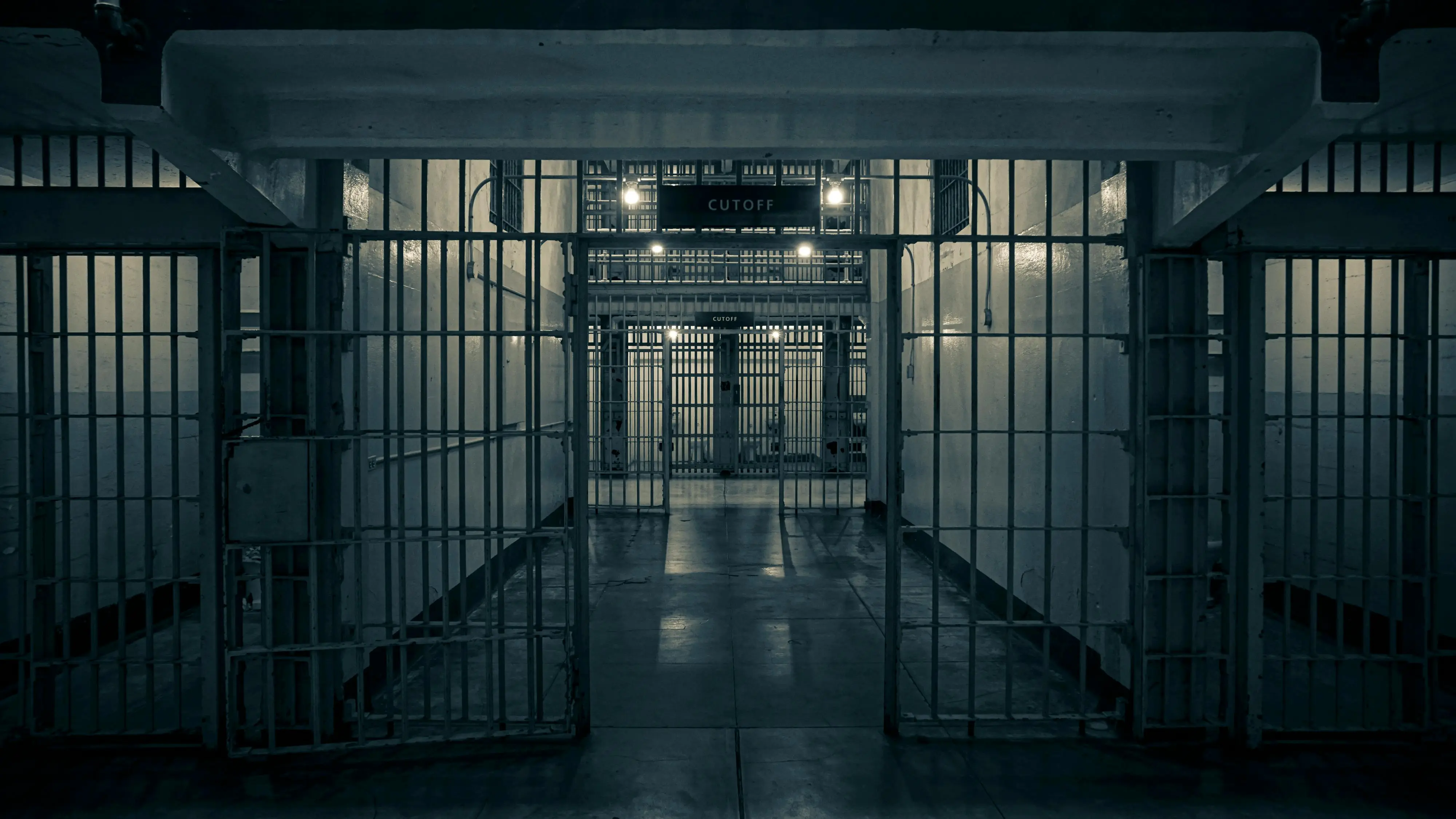
The standoff at Vandenberg Space Force Base earlier this week was not just a communication breakdown. It was a symptom of a systemic collapse in operational control. Five journalists and two military members—all of whom were part of an authorized, escorted convoy—found themselves staring down the barrels of rifles, ordered to the curb, and handcuffed by their own colleagues. This incident, which unfolded during a planned groundbreaking ceremony, signals a dangerous detachment between base security protocols and the reality of the people they are supposed to protect.
When a public affairs officer is leading a press van through a front gate, the expectation of safety is absolute. The failure at the gate does not simply reflect a lack of coordination; it highlights a culture where the fear of an external threat has overridden the ability to process basic, verified information. If the base's security apparatus cannot distinguish between a state-sponsored media caravan and an active intrusion, the entire concept of a guarded perimeter is effectively void.
The official statement from Space Launch Delta 30 claims that an uptick in unauthorized entry attempts forced this aggressive posture. This is an easy answer. It is a defensive maneuver intended to pivot blame onto an anonymous, external enemy. By framing the journalists as potential threats that had to be neutralized until proven otherwise, the command structure attempts to justify the drawn weapons and the detention of their own military personnel. However, this logic ignores the presence of uniformed public affairs staff leading the convoy.
If the security team at the checkpoint had been communicating with the rest of the base, the identities of those in the vehicles would have been confirmed within seconds. Instead, the incident dragged on for thirty minutes. The reporters missed the event entirely. The two service members—one enlisted, one a junior officer—were handcuffed and hauled away. This isn't just "unfortunate," as base leadership suggests. It is a complete institutional failure.
Consider the implications of this behavior in a high-stakes environment. In a theoretical scenario where an actual breach occurred, how would this security team perform under real pressure if they cannot handle a controlled, predictable event involving known entities? The reliance on lethal force as a default setting reveals a fragile security culture. When every vehicle is treated as an adversary, the base ceases to be a functional workspace and becomes an isolated fortress where internal logic dies.
The journalists involved, representing outlets such as Noozhawk and KSBY-TV, followed standard operating procedures. They waited for their escort. They traveled in the designated formation. They arrived at the time they were told to arrive. The fact that they were still detained at gunpoint suggests that the problem is not a lack of adherence to rules by visitors, but a fundamental lack of trust in the systems designed to admit them.
Military personnel are trained to operate under strict hierarchies. When that hierarchy breaks down—when a security team on the ground acts independently of the public affairs office that authorized the movement—the chain of command is rendered obsolete. This creates a vacuum where panic fills the void.
There is an inherent danger in over-militarized responses to civilian interaction. By treating the local press and their own colleagues as combatants, the base leadership has alienated the very community that covers their mission. Trust is difficult to build and incredibly easy to incinerate. With this event, Vandenberg has signaled that their internal communications are non-functional and their threat assessment capabilities are compromised.
The apology issued by base officials serves as a bandage on a gaping wound. It does not address the underlying training deficiencies or the psychological state of the security personnel who felt it necessary to hold reporters at gunpoint for half an hour. Real accountability would involve a transparent review of the command decisions that permitted this escalation. Without it, this incident is simply a precursor to the next, potentially more fatal, error in judgment.
The mission of the Space Force is to ensure the security of our interests in the cosmos, but the foundation of that mission relies on the ability to manage the terrestrial environment. When they fail to distinguish friend from foe at their own front door, the credibility of the entire organization falters. The personnel tasked with securing the base are clearly in need of a reset. They must learn that security is not just about firepower. It is about the precise, calm execution of mission-critical information.
Until the leadership at Vandenberg admits that this was a failure of competence rather than just a miscommunication, the danger remains. The gunpoint detention of invited guests is a milestone in bureaucratic ineptitude. It is time for the Department of the Air Force to stop viewing this as a simple clerical mistake and start treating it as a sign that the gate is being guarded by the wrong people with the wrong mindset.