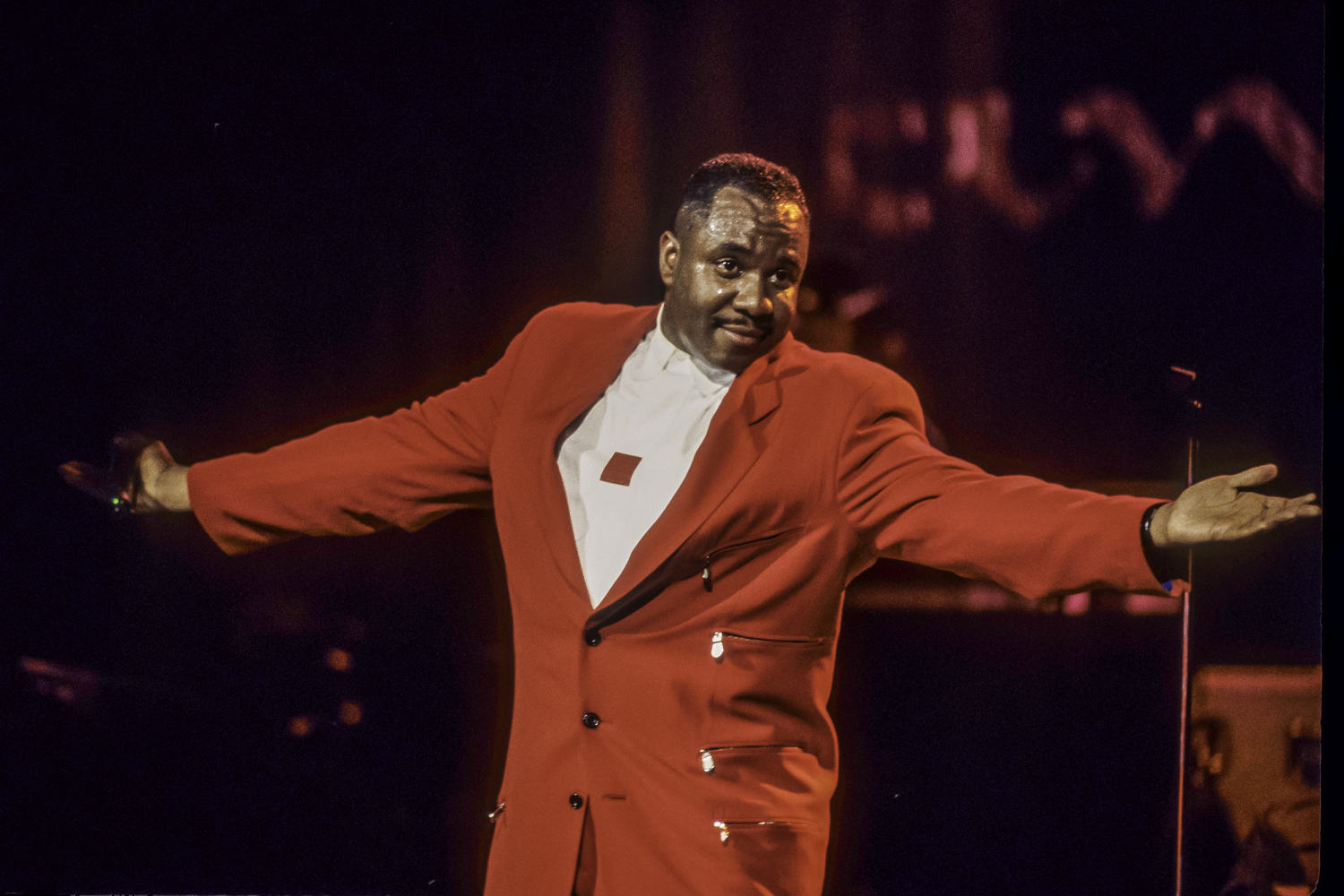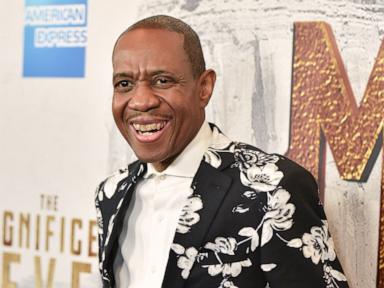
American rhythm and blues singer Freddie Jackson died at the age of 70, taking with him an era of vocal execution that modern commercial music rarely risks producing. When his family announced his passing, the tributes rightfully leaned on his monumental 1980s run—anthems like "You Are My Lady" and "Rock Me Tonight (For Old Times Sake)" that defined quiet storm radio and soundtracked a generation of intimate moments. Yet reducing Jackson to a nostalgic snapshot of mid-eighties radio success misses the structural mechanics of how he permanently altered the blueprint of male vocal performance in popular music.
Long before streaming algorithms sliced R&B into micro-genres and bedroom-pop experiments, Jackson operated at the absolute center of a vocal golden age. Born in Harlem, he inherited a church-honed sensitivity that separated him from his peers. While many vocalists of his era relied on sheer athletic vocal gymnastics—shouting over heavy synthesizers and drum machines—Jackson chose restraint, timing, and an almost conversational intimacy. He understood that space inside a melody is often more powerful than volume.
The music industry of 1986 operated on a different economic model. Record labels invested heavily in artist development, allowing distinct vocal identities to mature across multiple studio cycles. Jackson’s debut album, Rock Me Tonight, did not just produce hits; it established a template for adult contemporary soul that bridge-gained traditional black music and crossover pop charts. That crossover appeal was never accidental. It was engineered through supreme technical control and an uncanny ability to make stadium-sized audiences feel as though he was singing directly to an individual in a quiet room.
Critics often lumped him into the broader category of quiet storm balladeers, grouping him alongside contemporaries like Luther Vandross and Anita Baker. But Jackson possessed a distinct vocal timber—brighter, slightly sharper at the edges, yet wrapped in velvet. He did not imitate the gospel church shouters of the previous decade, nor did he lean into the synthetic detachment of late-eighties electro-funk. He occupied a precise sweet spot where traditional soul structure met contemporary urban adult radio.
As the decades shifted, the industry landscape transformed beneath his feet. The rise of hip-hop soul in the 1990s altered radio programming, pushing traditional vocalists out of heavy rotation. Yet Jackson continued to record and tour, adapting to independent distribution models while maintaining a fiercely loyal global fanbase. In his later years, even as he navigated health challenges including kidney disease, his commitment to live performance remained absolute. His final appearances on stage proved that the foundational discipline he learned in Harlem decades prior had not eroded.
The loss of Freddie Jackson marks the quiet closing of a chapter where vocal craftsmanship was the primary currency of popular music. Today's charts prioritize atmospheric mood and production texture over structural vocal execution. Contemporary artists navigating the modern music economy can learn a vital lesson from Jackson’s career longevity. He never chased fleeting pop trends or compromised his core artistic identity to fit a passing radio format. He trusted the song, he trusted his instrument, and above all, he respected the listener.
The quiet storm has lost one of its definitive architects, but the template he carved into the foundation of soul music remains completely unshakeable.