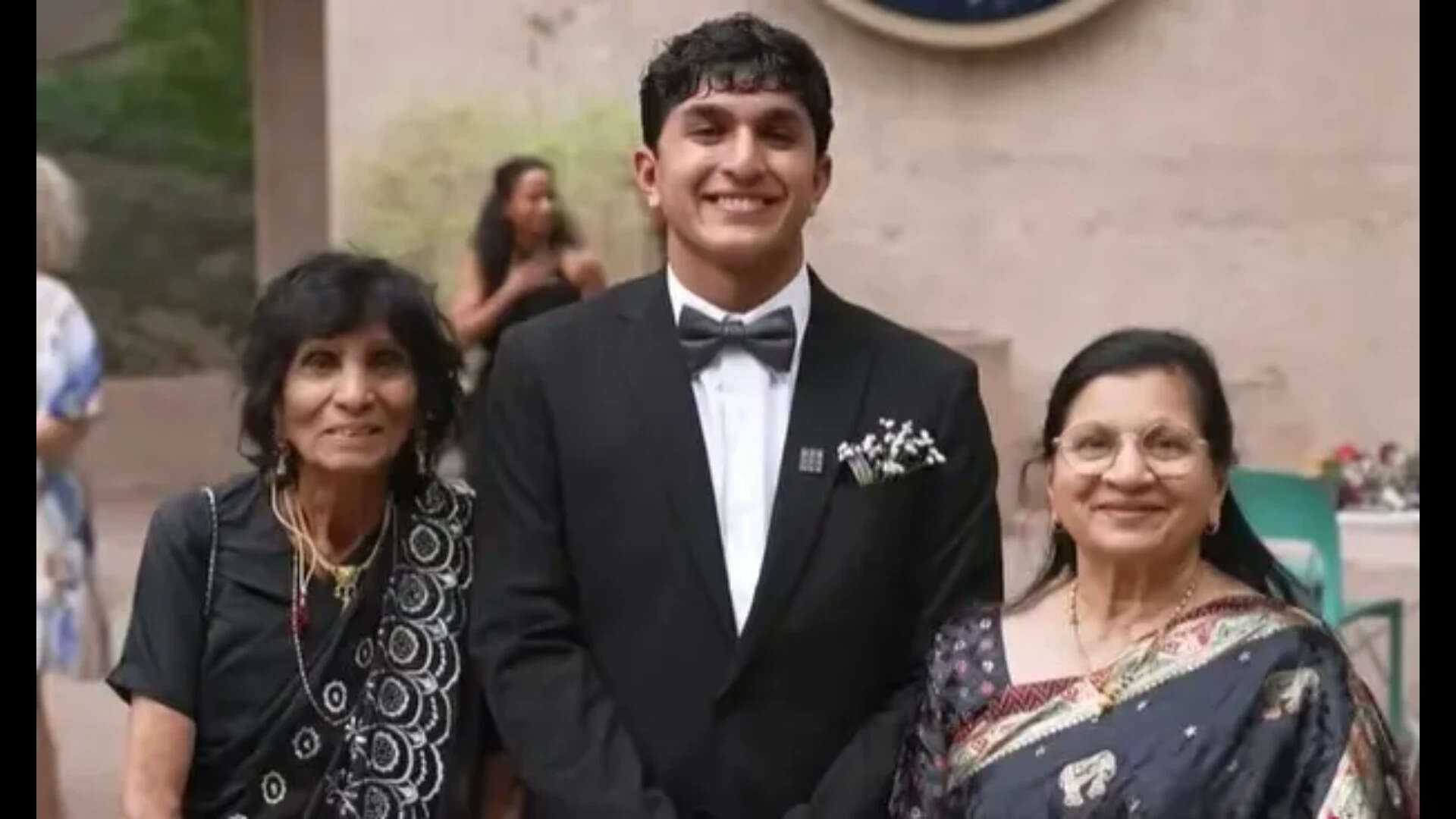
The internet loves a predictable hero. Currently, it’s obsessed with the Texas high schooler who escorted his two grandmothers to prom. The headlines are dripping with adjectives like "heartwarming," "wholesome," and "simple." News outlets are treating this as a refreshing break from the usual teenage debauchery. They’re framing it as a return to traditional values, a rejection of peer pressure, and a beautiful display of intergenerational bonding.
They’re wrong.
By framing this as a "simple choice," the media is ignoring the complex social engineering of the modern teenager. This wasn’t a rejection of the prom status quo. It was a masterclass in modern social capital. In an age where being "wholesome" is its own form of currency, taking your grandmothers to prom isn't an act of rebellion; it’s a strategic pivot.
The Myth of the Traditional Prom Date
Let’s dismantle the premise that prom was ever about "finding a date." Prom has always been a high-stakes performance of social standing. In the 1990s and early 2000s, that standing was measured by the conventional attractiveness of your partner or the price of your limo. It was an exercise in conformity.
Today, the game has changed. Conformity is boring. To stand out in a hyper-saturated digital feed, you need a hook. You need a narrative that triggers the "share" button. Taking a classmate to prom is a private memory. Taking two grandmothers to prom is a public event.
I have spent years watching how digital trends shape adolescent behavior. The "wholesome pivot" is a documented phenomenon. When the "edgy" or "party" aesthetic becomes too crowded, savvy players move toward radical sincerity. It’s not that the affection for the grandmothers isn't real—I’m sure it is—but the decision to broadcast it as a public statement is a calculated move in the attention economy.
The Sentimentality Trap
Critics will say I’m being cynical. They’ll argue that a boy just wanted to honor his elders. But let’s look at the "People Also Ask" logic surrounding this story. People ask: "Is it okay to go to prom without a date?" or "How do I make my prom memorable?"
The underlying premise of these questions is a fear of social irrelevance. The "lazy consensus" of the viral article suggests that this teen solved the problem by choosing family over peers. In reality, he bypassed the peer competition entirely by moving the goalposts. He didn't compete in the "best date" category; he created a "best grandson" category where he was the only contestant.
This is a brilliant maneuver. It’s socially unassailable. You cannot criticize a boy for bringing his grandmothers. It is a "perfect" social move because it carries a built-in shield against any form of mockery. In the brutal social hierarchy of a Texas high school, this isn't just sweet—it's tactical genius.
The Burden of the "Good Kid" Narrative
We need to talk about what this does to the grandmothers. The narrative treats "Ba" and "Ma" as props in a coming-of-age story. They are framed as symbols of a "simpler time" or "traditional roots." This is a reductive way to view the elderly.
When we celebrate these stories, we aren't celebrating the individuals; we are celebrating the optics of the gesture. We are rewarding the teenager for performing "gratitude" in a way that makes the audience feel good about the younger generation. It’s a transaction. The teen gets the viral fame and the "good kid" label; the audience gets to stop worrying about "kids these days" for five minutes.
The Authenticity Paradox
True authenticity doesn't usually come with a press release. I’ve seen this play out in corporate branding for a decade. Companies try to "leverage" (to use a word I despise) human emotion to mask a lack of original thought.
If we want to encourage real intergenerational bonding, we should be looking at the quiet, unphotographed moments. The Tuesday nights spent helping a grandmother navigate a new phone or the Sunday mornings spent listening to stories that won't be turned into TikTok captions.
The prom story is the "Grand Gestures" fallacy. It teaches young people that the value of an action is tied to its visibility. It suggests that if you love your family, you should find a way to make that love a spectacle.
Why This Matters for the Future of Social Rituals
Prom is dying. Not the event itself, but its meaning. It used to be a rite of passage into adulthood. Now, it’s a backdrop for content creation.
When we praise "out-of-the-box" date choices like this, we are accelerating the end of the ritual. We are turning a communal milestone into a competition for the most "unique" or "meaningful" gimmick.
- Scenario A: A student takes a friend they’ve liked for three years. They have an awkward, private, genuinely transformative evening.
- Scenario B: A student takes a family member, generates 50,000 likes, and becomes a national news story.
Which one does society value more? Right now, it’s Scenario B. And that’s a problem. We are incentivizing the performance of virtue over the experience of the ritual.
Stop Calling It "Simple"
The original article says the choice was "simple." Nothing about being a teenager in 2026 is simple. Every move is tracked, every choice is a data point, and every public appearance is a branding opportunity.
Choosing to bring your grandmothers to prom is a high-reward, low-risk social play. It guarantees positive press, protects the ego from the potential rejection of a peer, and creates an instant "legacy" within the school community. It is a sophisticated response to the pressures of modern social life.
If you want to actually "disrupt" the prom, don't bring a celebrity. Don't bring your pets. Don't bring your grandmothers for the sake of the story.
Go with a peer. Risk the rejection. Navigate the awkwardness. Experience the actual rite of passage instead of bypassing it for a viral moment.
The "wholesome" narrative is the easiest path to social approval. The truly contrarian move is to do something meaningful that no one ever finds out about.
Log off the news cycle. Stop looking for "heartwarming" shortcuts. The most important parts of your life shouldn't be fit for a headline.