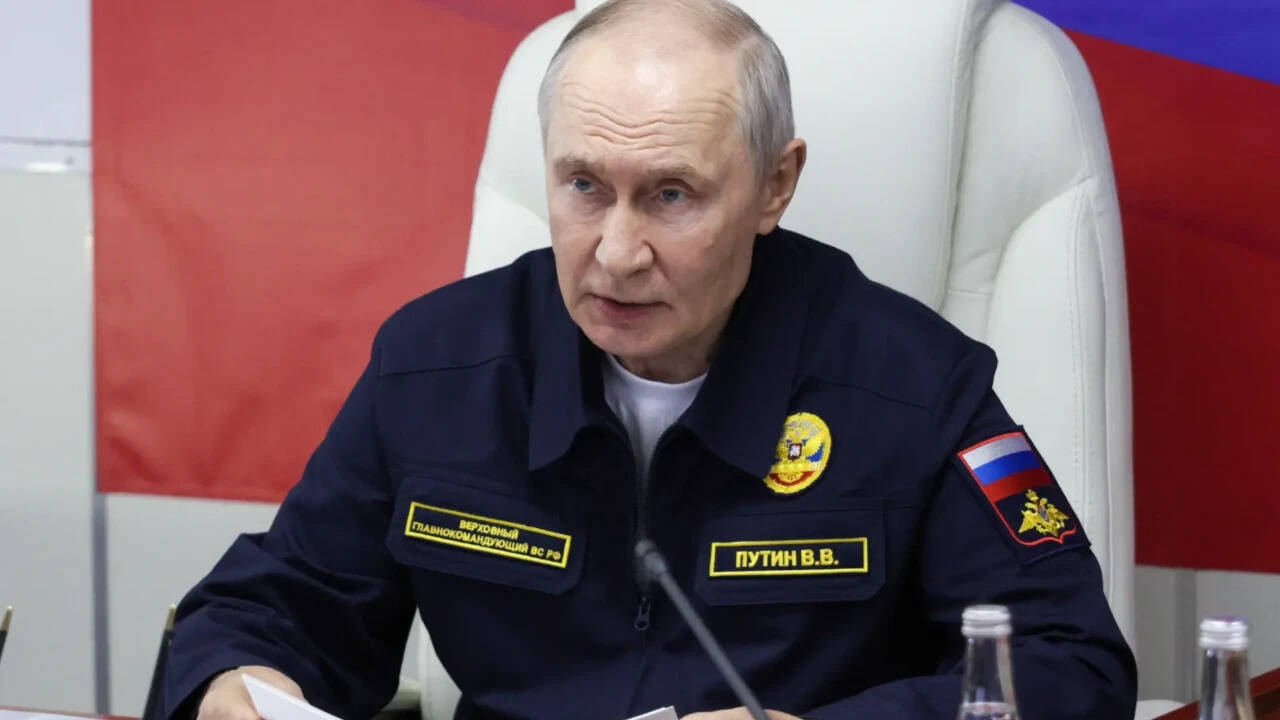
Maritime choke points are tense. Vladimir Putin just raised the stakes for global shipping. If the European Union decides to block Russian vessels from international trade routes, Moscow will retaliate by seizing European-flagged commercial ships.
You might think this is just standard geopolitical posturing. It isn't. When leaders start talking about impounding commercial cargo vessels, supply chain stability takes a direct hit. Tankers, container ships, and bulk carriers operating near Russian zones face a sudden spike in operational danger. Insurance underwriters are already updating risk models.
The Core Conflict Behind The Threats
Sanctions packages keep tightening. Brussels wants to starve the Russian war chest by choking off maritime exports. Moscow relies heavily on tankers moving crude oil and refined products through strategic waters like the Baltic Sea and the Black Sea.
Putin's warning targets the core vulnerability of European trade. The EU depends on maritime logistics for energy imports, manufacturing components, and consumer goods. Seizing European vessels isn't just an empty threat. It is a calculated counter-measure designed to make Western policymakers calculate the economic cost of enforcement.
If a Danish container ship or a Greek oil tanker gets impounded in retaliation for a seized Russian freighter, maritime law turns into a chaotic playground. Companies won't know who to trust. Port authorities will scramble.
How Shipowners Are Reacting Right Now
Cargo operators hate uncertainty. Right now, maritime executives are rewriting route plans. Crews are anxious. Nobody wants to sail near contested waters when a retaliatory seizure could happen at any moment.
If you run logistics operations or hold shipping stock, you need to watch three specific indicators:
- Insurance Premiums: War risk surcharges are jumping. Underwriters are pricing in the probability of state-sponsored asset confiscation.
- Flag State Advisories: Maritime administrations are issuing new warnings. Pay attention to what the International Maritime Organization says.
- Route Diversion: Vessels are adding extra days to transit times just to avoid high-risk corridors.
Longer routes burn more fuel. Higher fuel costs translate straight to higher consumer prices at home. This isn't just a distant military standoff. It directly impacts the cost of moving goods globally.
The Legal Vacuum Of Retaliatory Seizures
International maritime law protects innocent passage. Ships have a right to move through international waters and exclusive economic zones without interference. Putin's threat bypasses these norms entirely, framing potential seizures as reciprocal economic self-defense.
When international law breaks down, retaliation becomes the baseline. If Moscow detains a European vessel under domestic counter-sanction decrees, Western governments will face intense pressure to respond with force or further financial penalties. This creates a dangerous escalation spiral.
Ports in the Baltic region are feeling the freeze. Ship captains are double-checking their documentation, verifying cargo origins, and avoiding any association with restricted entities. One wrong paperwork error could leave a ship stranded in a hostile port.
What This Means For Global Supply Chains
Global trade runs on predictability. When a superpower threatens commercial fleets, the psychological impact outweighs the physical threat. Charterers will cancel bookings. Shipowners will refuse certain regional contracts.
We are looking at a fractured maritime landscape. Ships will register under different flags of convenience to mask ownership. Shell companies will multiply. Smuggling and ship-to-ship transfers of sanctioned cargo will rise as operators look for loopholes to bypass the standoff entirely.
Keep a close eye on your supply chain contracts. Check your force majeure clauses. If your business relies on European maritime transport moving through northern or eastern European waters, build extra buffer time into your delivery schedules today. The rules of global shipping are shifting, and ignoring the warning signs is a luxury you cannot afford.