Planes don't mix with glass. It's a simple rule that costs millions of dollars and strands thousands of people whenever a volcano decides to blow its top.
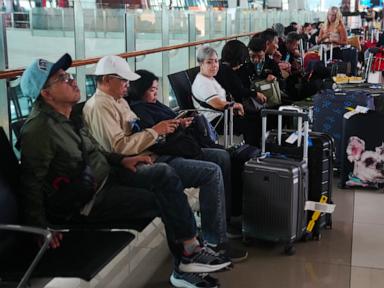
If you've ever sat in a departure lounge watching departure boards flip to canceled while a distant mountain spews ash miles into the sky, you know the helpless feeling. Southeast Asia recently dealt with this exact nightmare when a major eruption sent massive ash plumes skyward, forcing hundreds of flight cancellations at the region's second-busiest airport. Travelers were left sleeping on terminal floors, scrambling for hotel rooms, and arguing with gate agents who had zero control over nature.
Volcanic eruptions are terrifyingly unpredictable. They don't care about your tight connection, your important business meeting, or your family vacation.
The Silent Killer Inside Jet Engines
Most people think volcanic ash is just soft, grey dust. It's not. It is essentially pulverized rock, microscopic glass, and jagged minerals.
When a commercial jet flies into an ash cloud, disaster strikes fast. The abrasive material gets sucked into the engines. Inside the core, temperatures soar past the melting point of the rock. That liquid glass coats the turbine blades, cools down, and solidifies. It chokes off airflow, stalls the engines, and causes complete power failure within minutes.
Think about British Airways Flight 9. In 1982, a Boeing 747 flew right into an unmapped ash cloud over Mount Galunggung in Indonesia. All four engines flamed out. The plane dropped thousands of feet in the dark before the crew managed to restart the engines. They landed safely with windshields so sandblasted the pilots couldn't see a thing.
Modern aviation authorities refuse to take those risks. The second an eruption happens, airspace closes. Satellites track the plumes. Radar maps the drift. Airports shut down long before anyone sees a single flake of dust on the tarmac.
Why Airports Ground Everything Instantly
Airlines hate canceling flights. It destroys their profit margins, triggers massive regulatory fines, and ruins their customer satisfaction scores. So why do they pull the plug so fast?
Liability and safety margins are razor thin. Ash clouds move unpredictably with high-altitude winds. A corridor that looks clear at 8:00 AM can turn into a dense smog cloud by noon.
Grounding flights at major hubs creates a massive logistical bottleneck. When Southeast Asia's second-busiest airport locks its doors, the ripple effect spans the globe. Planes get stuck in the wrong cities. Crews time out and legally cannot fly. Replacement aircraft sit idle because inbound routes are blocked.
You booked a direct flight. Suddenly you're routed through three different countries, missing your cruise, and losing your luggage in the process. It's messy. It's stressful. It's aviation reality.
What Airlines Wont Tell You About Your Rights
When an act of nature shuts down the skies, airlines love to throw their hands up and claim they owe you nothing. They'll feed you the "force majeure" excuse.
Dont buy it blindly.
Depending on where you bought your ticket and which airline you flew, consumer protection laws still apply. In many jurisdictions, airlines must feed you, put you up in a hotel during overnight delays, and get you onto the next available flight—even if it's with a competitor.
The catch? You have to demand it. Gate agents deal with screaming crowds all day. If you stay calm, know your rights, and ask specific questions, you skip the back of the line.
How to Protect Your Trip Before Disaster Strikes
Nature doesn't send calendar invites for volcanic eruptions. You can't stop a mountain from blowing up. You can, however, stop letting it ruin your wallet.
Stop buying basic economy tickets if you're traveling through volatile regions during rainy or active seismic seasons. Pay a little extra for flexible booking.
Travel insurance matters. Look for policies explicitly covering natural disasters and air traffic interruptions. Standard credit card coverage often has loopholes for weather and natural events. Read the fine print before you fly.
Download airline apps and flight tracking software. Real-time notifications beat airport PA systems every single time. If an eruption happens, contact customer support via phone or chat immediately while everyone else is still standing in line at the ticket counter. Securing a new seat early keeps you moving while the airport descends into chaos.
Pack essentials in your carry-on bag. Chargers, medications, a change of clothes, and snacks turn a miserable forty-eight-hour airport lock-in into a manageable inconvenience.
Check the seismic activity of your destination if you're heading near the Pacific Ring of Fire or active tectonic zones. Awareness beats panic. Stay alert, stay insured, and never assume Mother Nature will keep to a schedule.