Imagine telling a skilled software engineer that their permanent residency application will clear around the year 2205. Sounds like dystopian fiction, right? It is actually the cold mathematical reality uncovered by a recent National Foundation for American Policy study. If you file your EB-2 petition today, you might need a multi-generational time machine to see the approval notice.
Nearly one million Indian nationals are caught inside the US employment-based green card backlog. They make up roughly 79 percent of the total queue across the first three preference categories. While corporate immigration lawyers try to spin corporate retention strategies, the system is fundamentally broken. Let us look at why this mess exists and what it means for anyone building a life in America. Meanwhile, you can find similar events here: Why Foreign Investors Are Cooling Down on China A Shares Right Now.
The Math Behind the 179-Year Wait
Numbers do not lie, but they can certainly shock you. According to the NFAP findings, a high-skilled Indian professional with an application filed in January 2026 faces a potential 179-year wait in the EB-2 category. Even the EB-3 category demands a 38-year wait.
Why does this happen? Blame Congress. The statutory framework governing employment-based immigration was written back in 1990. Back then, the internet was in its infancy, and the modern tech boom was a distant dream. Yet, the annual cap of 140,000 employment-based green cards remains stubbornly fixed. That limit includes not just the primary worker, but their spouses and children too. Dependents usually gobble up half or more of those available slots. To understand the bigger picture, we recommend the excellent analysis by Harvard Business Review.
Then you throw the per-country cap into the mix. Section 202(a) of the Immigration and Nationality Act dictates that no single country can receive more than 7 percent of the total immigrant visas in a given year.
That means India—a nation producing hundreds of thousands of STEM graduates annually—gets the exact same numerical ceiling as Iceland or Luxembourg.
Winners, Losers, and Everyday Realities
The absurdity of the per-country limit creates bizarre outcomes. While Indian professionals wait decades, applicants from smaller nations glide through processing lines. Even Chinese applicants, who face substantial backlogs of their own, look at shorter timelines—roughly 25 years in EB-2 and 7 years in EB-3.
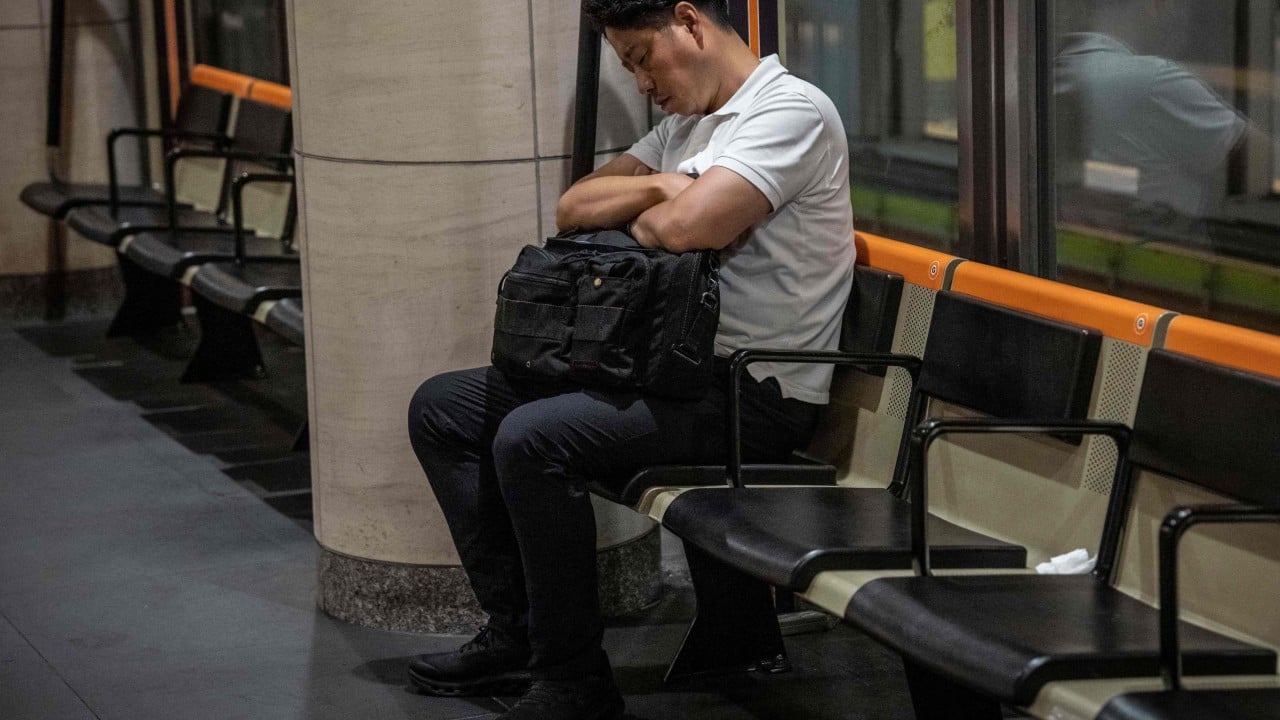
Meanwhile, life for Indian applicants keeps moving. People build careers, buy homes, have children who grow up as nominal Americans, and yet remain legally tethered to temporary H-1B visas. If a layoff hits, the clock starts ticking on a frantic 60-day scramble to find a new employer or leave the country. Kids aging out of their dependent status at 21 face sudden deportation threats, forced to self-deport after spending their entire conscious lives in the United States.
Companies complain that they cannot retain top talent. Engineers wonder why they pay high US taxes while possessing zero job security or career mobility. You cannot change jobs easily because your employer holds your green card paperwork hostage. Changing companies means restarting the entire labor certification process from scratch.
Can the System Be Fixed?
Legislative fixes like the Fairness for High-Skilled Immigrants Act have floated around Capitol Hill for years. They always stall. Political gridlock turns immigration reform into a toxic football. Lawmakers prefer using the issue for political theater rather than solving a math problem that has obvious solutions, such as exempting dependents from the cap or eliminating per-country limits entirely.
If you are an Indian professional currently navigating this landscape, relying on a traditional employment-based queue requires immense mental fortitude. Many high-earning professionals are quietly looking at alternative exit ramps. Canada, Europe, and domestic opportunities back home in India's booming tech sectors are looking far more attractive than spending a lifetime waiting for a plastic card that may never arrive.
The system is not going to fix itself tomorrow. Stop treating a permanent residency petition like a guarantee and start planning for a career that possesses true global mobility.