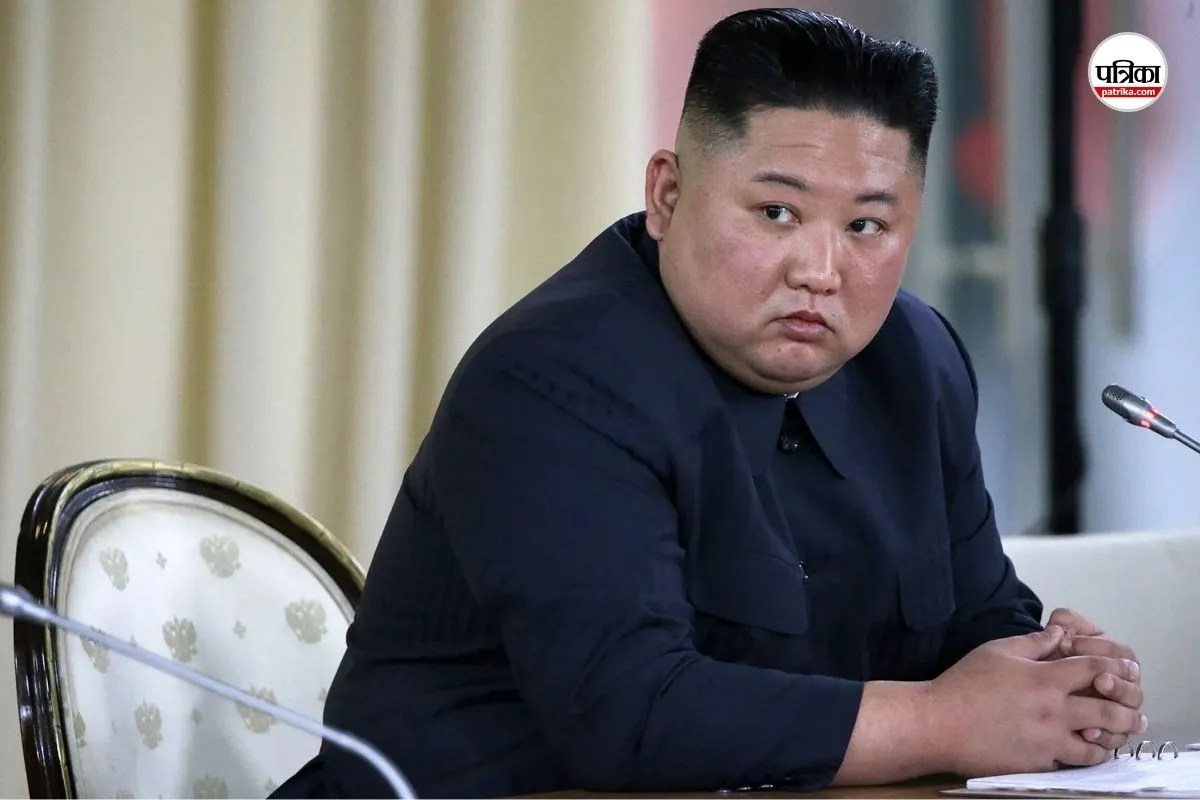
For decades, mainstream foreign policy analysts have recycled a comforting fiction. Every time Pyongyang promises to expand its nuclear arsenal or hurls insults at the White House, pundits rush to television studios to diagnose a cry for attention. They tell us that North Korea is acting out, posturing for economic handouts, or desperately seeking a seat at the diplomatic table. They treat a sovereign nuclear state like an unruly toddler throwing a tantrum in a grocery aisle.
This assessment is not just lazy. It is dangerous.
The recent declaration from Pyongyang confirming a permanent nuclear trajectory and dismissing American calls for denuclearization sent predictable shockwaves through the foreign policy establishment. Western outlets immediately framed it as a rejection of diplomacy. They lamented the deadlock and insisted that tighter sanctions or a cleverer diplomatic overture could still revert the clock to 1995.
Stop believing the fantasy. Pyongyang does not want a deal, and Washington’s insistence on complete denuclearization is a diplomatic ghost story designed to comfort voters.
The Comforting Lie of Denuclearization
The foundational myth of modern geopolitics is that nuclear arsenals can be un-invented through economic coercion. I have watched think tanks burn millions of dollars generating transition roadmaps that assume a regime with an estimated 60 to 100 warheads—enshrined permanently into its constitution—will voluntarily trade its ultimate survival insurance for a few shipping containers of heavy fuel oil and some eased banking restrictions.
It defies basic game theory. Look at the ledger. Muammar Gaddafi gave up his nascent nuclear program in 2003 for promises of integration and safety; a decade later, NATO air support helped drag him through a drainage pipe. Kim Jong Un and his inner circle studied that lesson with surgical precision. To Pyongyang, the bomb is not a bargaining chip. It is the entire regime. Without it, they are next on the geopolitical chopping block.
By pretending that North Korea’s nuclear status is negotiable, the State Department avoids hard choices. Admitting that the Korean Peninsula is permanently nuclear forces a complete rewrite of regional defense postures, intelligence allocations, and alliance mechanics. So instead, diplomats cling to the phrase "complete denuclearization" as an article of faith, treating an immutable physical reality as a temporary administrative misunderstanding.
The Economic Engine Behind the Bombs
Another favorite trope of mainstream commentary is that North Korea is an isolated, starving hermit kingdom collapsing under the weight of its own military spending. This narrative assumes that sanctions are slowly strangling the regime, forcing Pyongyang into an impossible choice between butter and ballistic missiles.
Data tells a different story. North Korea has successfully weaponized isolation. By forging deep strategic, conventional, and technological partnerships with revisionist powers like Russia, Pyongyang has bypassed Western financial choke points entirely. The old calculus—where isolated states starved into submission—collapses when alternative global supply chains and grey-market trade networks open up.
Furthermore, the nuclear program is not a drain on a failing economy; it is the country's primary high-tech export industry and domestic legitimacy engine combined. When state media boasts about expanding the nuclear force, they are signaling confidence to domestic elites and hard currency to foreign buyers of advanced missile technology. The economy has adapted to the bunker. Pretending that the country is six months away from economic collapse ignores the structural resilience of command economies backed by modern illicit digital theft and underground sanctioned commerce.
The Dangerous Illusion of Stability
What happens when we accept the status quo instead of chasing the mirage of denuclearization? The entire security architecture of Northeast Asia has to shift.
For years, Seoul and Washington operated on extended deterrence models built for a different century. They assumed American nuclear umbrellas would automatically neutralize lower-level provocations. But when a regional adversary achieves hardened, second-strike capability with tactical low-yield options, the traditional math of deterrence fractures. If an aggressor believes they can use tactical nuclear weapons to shield local conventional incursions without triggering a continental atomic exchange, the threshold for war drops dangerously low.
We are looking at a permanent standoff where America’s traditional allies are left holding the bag of geographic vulnerability. South Korea's internal debates regarding independent nuclear hedging or NATO-style role-sharing are direct symptoms of this reality. They know that relying entirely on a security guarantee from a superpower located an ocean away gets complicated when that superpower starts questioning the cost of distant commitments.
Rewriting the Playbook
If we want to manage the reality on the ground, we have to abandon three deeply entrenched delusions.
First, stop treating North Korea’s nuclear posture as temporary leverage. It is a permanent fixture of East Asian geography. Second, stop pretending that tighter enforcement of legacy sanctions will magically alter strategic calculus when alternative economic lifelines are active. Third, stop confusing diplomatic silence with weakness.
The real conversation is not about how to strip Pyongyang of its warheads. The real conversation is about how Seoul, Tokyo, and Washington manage a nuclear-armed neighbor that has zero intention of ever backing down. Until Western policymakers find the courage to address the map as it actually exists rather than how they wish it looked, they will keep running full speed into a brick wall of their own making.



