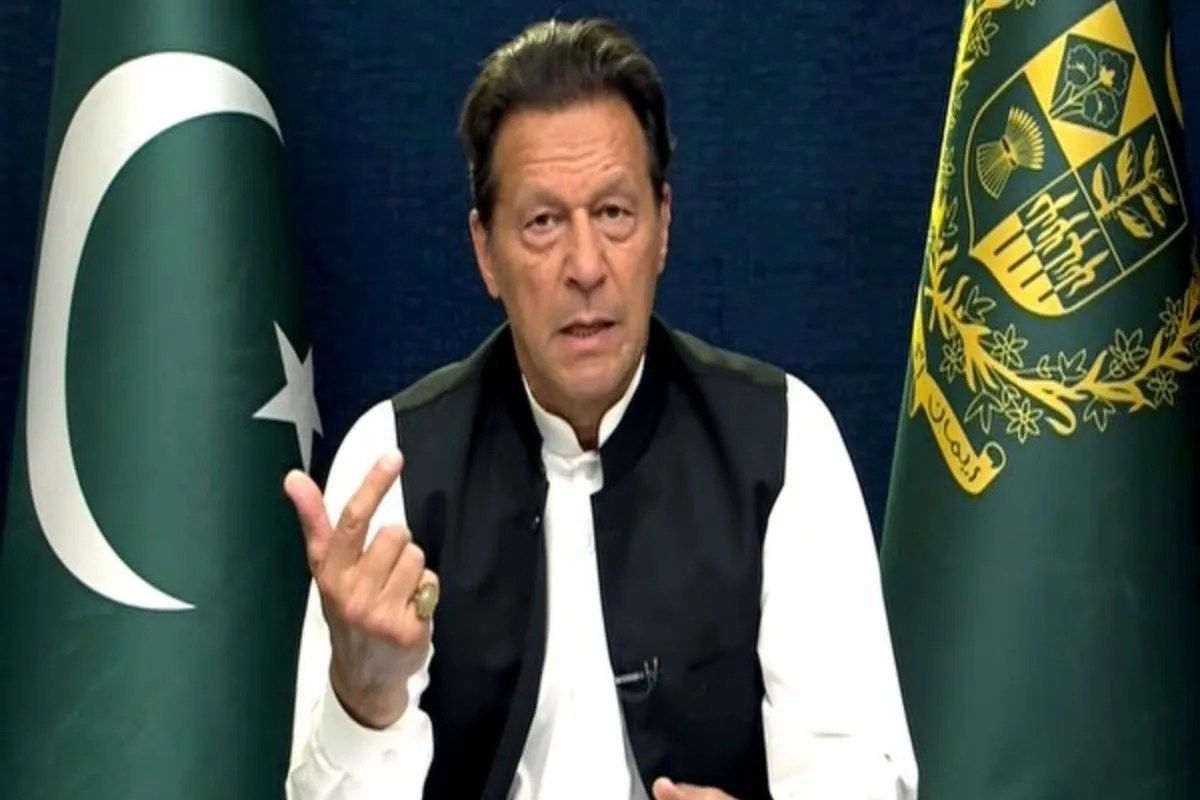
Jailed former Prime Minister Imran Khan isn't fading quietly into the background. Behind closed doors in Adiala Jail, his medical chart has turned into a diplomatic flashpoint. When prison authorities rushed him to an Islamabad hospital for urgent evaluation, international alarms went off immediately.
Washington is watching closely. So why does a prison checkup in Rawalpindi send shockwaves thousands of miles away?
The Medical Crisis Behind Bars
Let's look at the facts. Khan's legal team and party leaders have repeatedly raised red flags about his solitary confinement and declining health. Reports detail fluctuating blood pressure readings hitting alarming thresholds, alongside persistent eye complications. When he was transferred under heavy guard to the Pakistan Institute of Medical Sciences (PIMS) for procedures, it underscored just how volatile the situation inside his cell has become.
Islamabad insists that Khan receives proper medical care and that his vital signs stabilize during these hospital visits. But his supporters aren't buying the official narrative. Every time he leaves the prison gates, supporters gather, security tightens, and the political temperature across Pakistan spikes instantly.
Why Washington Cares
Foreign policy watchers in the United States rarely comment on domestic legal proceedings in South Asia without a strategic reason. Yet, congressional pressure keeps mounting. Lawmakers in Washington have previously penned letters to the State Department demanding transparency regarding Khan's detention conditions and human rights.
The underlying geopolitical reality is simple. Pakistan remains a nuclear-armed state facing severe economic instability, militant insurgencies, and a deeply fractured political landscape. Any sudden health crisis or catastrophic legal escalation involving the country's most popular opposition figure threatens to trigger widespread unrest. Washington doesn't want a key regional ally tipping into total chaos.
The Domestic Fallout in Pakistan
Inside Pakistan, the establishment is walking a tightrope. The government maintains that all charges against Khan—spanning corruption to security matters—are entirely legal and handled through proper judicial channels. Meanwhile, the Pakistan Tehreek-e-Insaf (PTI) party continues to mobilize public sentiment, framing his ongoing imprisonment as a calculated campaign to sideline him permanently.
High alert status isn't just rhetoric. Security forces near medical facilities and key government zones face constant pressure to manage angry crowds and prevent demonstrations from spiraling out of control.
The standoff continues with no clean exit strategy in sight. As long as Khan remains locked inside Adiala Jail with a fragile health status, every hospital visit becomes a global news event. Washington will keep tracking the metrics, Islamabad will keep defending its judiciary, and the political tug-of-war will dictate the country's immediate future.