The United States is doubling down on financial warfare. Washington just announced plans to deploy the toughest economic sanctions in history against Tehran, explicitly stating the goal is to collapse the Iranian government. Iran isnt backing down. Military and government officials in Tehran quickly fired back, vowing a devastating and crushing retaliation against what they call economic terrorism.
If you are watching global markets or tracking Middle East stability, this escalation matters. Brent crude prices have already climbed back above $90 a barrel. Supply chains are fracturing. The real story here is not just the threat of new penalties. It is whether financial isolation can actually force a regime change, or if it will simply drive the region deeper into chaos.
The Anatomy of Maximum Pressure
Heres what most mainstream analysis misses about the current U.S. strategy. Treasury Secretary Scott Bessent and the White House are shifting away from traditional military maneuvers, banking instead on total economic strangulation. The plan involves secondary boycotts designed to punish any international business, financial institution, or government that provides even a minor lifeline to Tehran.
Washington is telling Beijing and other global buyers to get completely on board with the blockade or face severe financial penalties. But history shows us that blanket sanctions rarely achieve their stated political objectives overnight. Instead, they create systemic humanitarian suffering while pushing targeted nations to adapt through illicit black-market networks.
Iranian state media has labeled these new measures crimes against humanity. While Washington frames the campaign as a precision tool to curb regional aggression, citizens on the ground bear the brunt of hyperinflation and currency shortages.
Tehrans Playbook for Survival
Iran isnt sitting idle. Tehran has dealt with decades of economic restrictions, meaning their administrative apparatus is practically built for sanctions evasion. Central bank data highlights severe foreign currency reserves shortages, yet the government is actively pursuing alternative trade corridors.
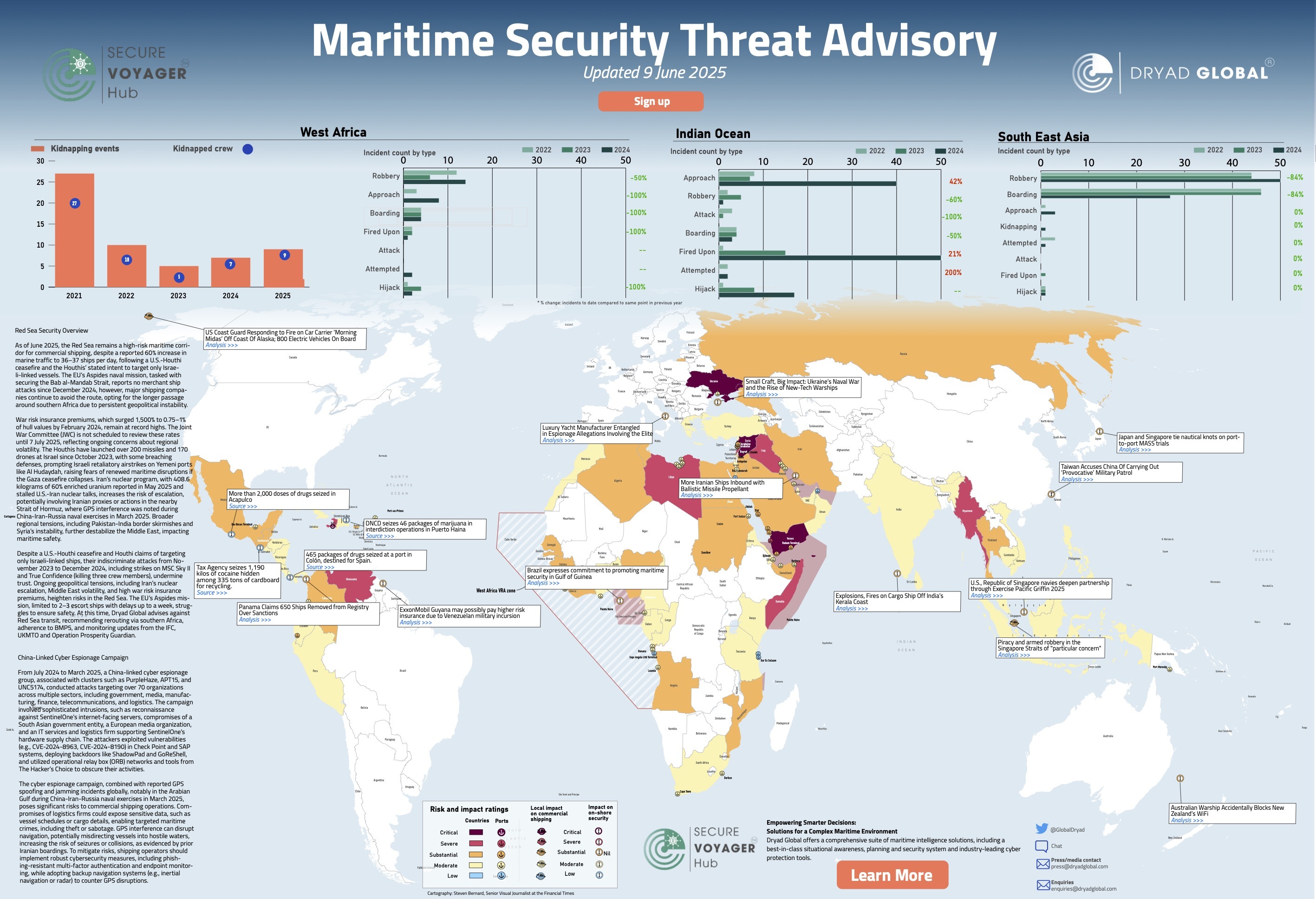
Iranian officials recently advanced trade agreements with regional partners and neighboring states to bypass western financial clearing systems. Furthermore, control over the Strait of Hormuz remains Tehrans primary strategic leverage. With tanker traffic heavily curtailed and commodity shipments restricted, Iran knows it can inflict serious pain on global energy markets without firing a single traditional missile.
When military options stall and economic blockades tighten, the risk of miscalculation skyrockets. An accidental clash in the Persian Gulf could easily turn these economic warnings into hot conflict.
What Comes Next for Global Markets
You cannot separate these geopolitical flashpoints from your daily economic reality. Energy prices are sensitive to every single headline coming out of Washington and Tehran. As long as the naval blockade remains active and diplomatic channels stay frozen, oil volatility is here to stay.
Investors need to look past the political rhetoric. The U.S. push to isolate Iran completely forces a fractured global economy to choose sides. Companies with international exposure must audit their supply chains immediately to avoid stumbling into secondary sanction violations.
Hoping for a sudden diplomatic breakthrough is a mistake. Prepare your strategy for a prolonged period of high energy costs and persistent geopolitical friction.