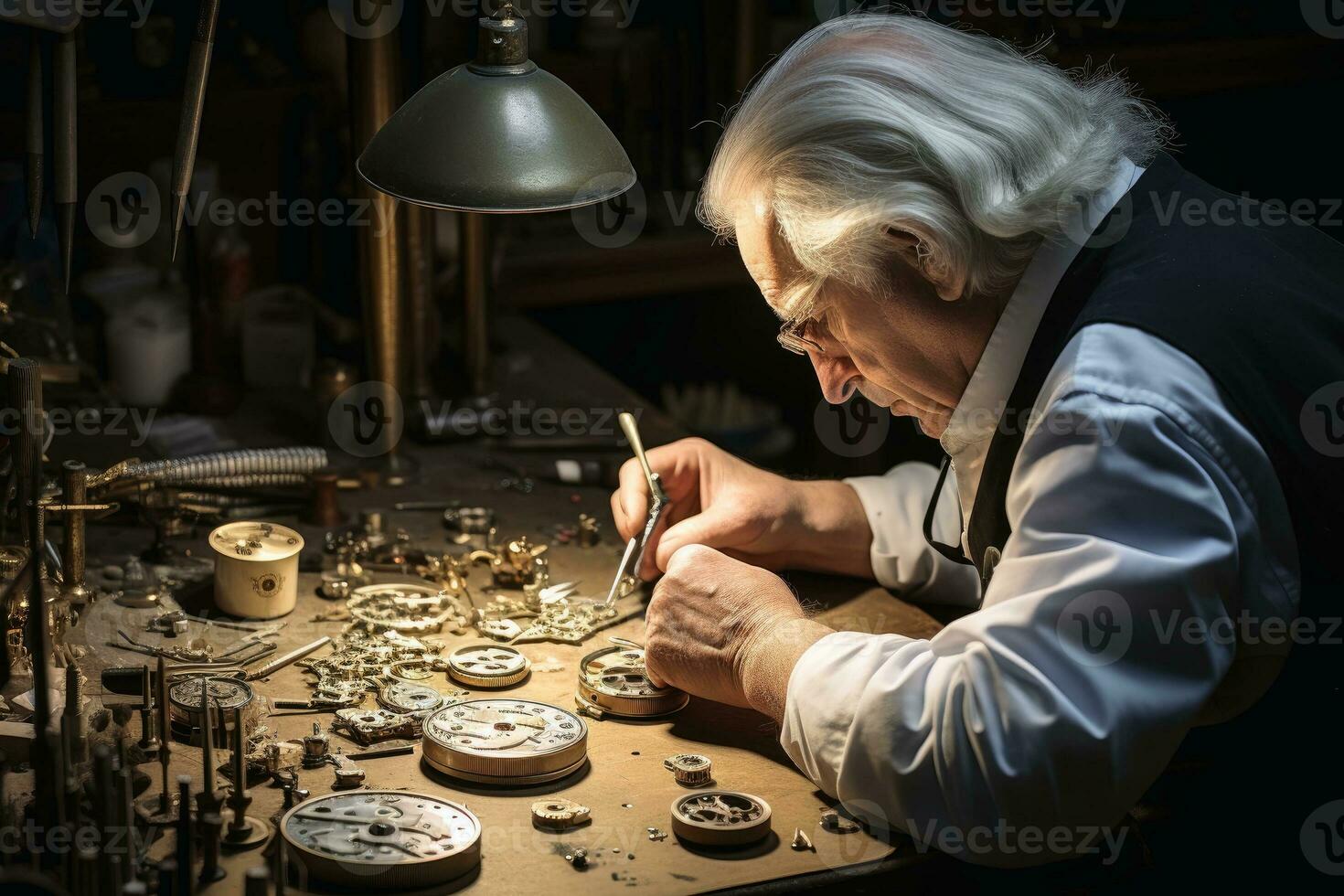
The air in the high alpine valleys smells of pine resin and old iron. In villages where the shadows lengthen early against stone walls, time is measured by things that do not move unless a spring inside them compels them to. For centuries, Switzerland has sold the world this exact illusion: a clockwork nation locked in a glass case, ticking quietly while the rest of the planet tears itself apart.
To live here is to inherit a paradox. You grow up knowing that your borders are porous to trade, ideas, and capital, yet sealed by an invisible membrane of absolute non-alignment. Neutrality is not merely a legal doctrine written on parchment in Bern. It is the national weather. It is the grey mist hanging over the lake in November. It is the unspoken agreement that whatever fire is burning in the neighboring valleys, your chimney will not take a side in the wind.
Then the wind changed.
Consider what happened when the tanks rolled across the steppes to the east. Across Europe, capitals that had spent decades trading in gas and comfortable complacency suddenly woke up to a brutal arithmetic. Borders mattered again. Alliances mattered again. And when the European Union levied sanctions against Moscow, Bern did something that sent a shiver through the traditionalists. It followed suit. Not with enthusiasm, mind you—never with enthusiasm—but with the quiet, ledger-book realism of a country that knows its financial plumbing is inextricably wired into the Western grid.
To the conservative nationalists who view the constitution as a sacred shield, this was betrayal. They looked at the frozen accounts, the diplomatic reprimands, and the subtle shifts in policy, and they saw the death of the Swiss soul. They drafted an initiative. They wanted iron. They wanted a constitutional straitjacket that would forbid any government from ever joining international sanctions, from ever tilting one inch toward a belligerent, from ever compromising the pure, untainted isolation that had kept Swiss soldiers out of foreign mud since 1815.
They called it security.
Down in the cafes of Zurich and the quiet cantonal offices where people queue with the calm discipline of a Swiss train timetable, the debate turned fierce. It was not a debate fought with shouting or tear gas. It was fought in the pages of Sunday newspapers, over cups of bitter coffee, and in the quiet theater of individual conscience.
Think of Elena, a retired archivist living near the German border. Her grandfather lost two brothers in the economic sieges of the twentieth century. To her, neutrality is an altar. It is the reason her family survived the great conflagrations of Europe. When she looked at the new ballot paper, she felt a profound sense of loss. If Switzerland stops being the neutral referee, she thought, what are we? Just another small, wealthy country with a good PR department.
Across the valley, in a glass-walled startup incubator, Marcus saw things differently. He designs software that tracks global supply chains. He knows that you cannot detach a microchip factory in Zug from the geopolitical weather in Taiwan or Berlin. To Marcus, absolute neutrality in a digital age is not purity; it is paralysis. He watched the initiative with a knot in his stomach, knowing that if the text passed, Switzerland would effectively declare itself a moral desert—a vault where money is counted behind shuttered windows while the world outside decides whether to trust you at all.
This is the hidden cost of absolute isolation. In theory, it sounds pristine. In practice, it turns a nation into an accomplice of whoever has the loudest gun, because refusing to judge is often just another way of choosing the side of convenience.
The ballot boxes opened on a crisp Sunday. The turnout was characteristically high, because when the Swiss are asked to redefine who they are, they show up. They did not raise banners or riot in the streets. They simply stood in line, marked their slips of paper, and dropped them into slots with the dull thud of a heavy door closing.
The numbers trickled in from the cantons, slow and methodical as a dripping tap.
The initiative was failing.
It was not a narrow escape. It was a clear, unmistakable rejection. The voters looked at the ironclad rules designed to freeze them in amber, and they chose motion. They chose the messy, imperfect, pragmatic reality of a world where you sometimes have to hold your nose and pick a side to preserve the very peace that allows you to remain prosperous.
Yet, walking through the quiet streets after the results were announced, there was no celebration. No flags waved. No church bells rang out in triumph. The Swiss do not cheer for avoiding a disaster; they simply adjust their watches and walk home in the gathering dusk.
The constitutional text remains unchanged. The gray zone remains intact. Switzerland is still Switzerland—stubborn, cautious, and deeply entangled in a world it pretends to watch from behind a very thick window. But the illusion has shifted. Everyone knows now that the glass is thinner than it used to be. And the wind outside is getting colder.



