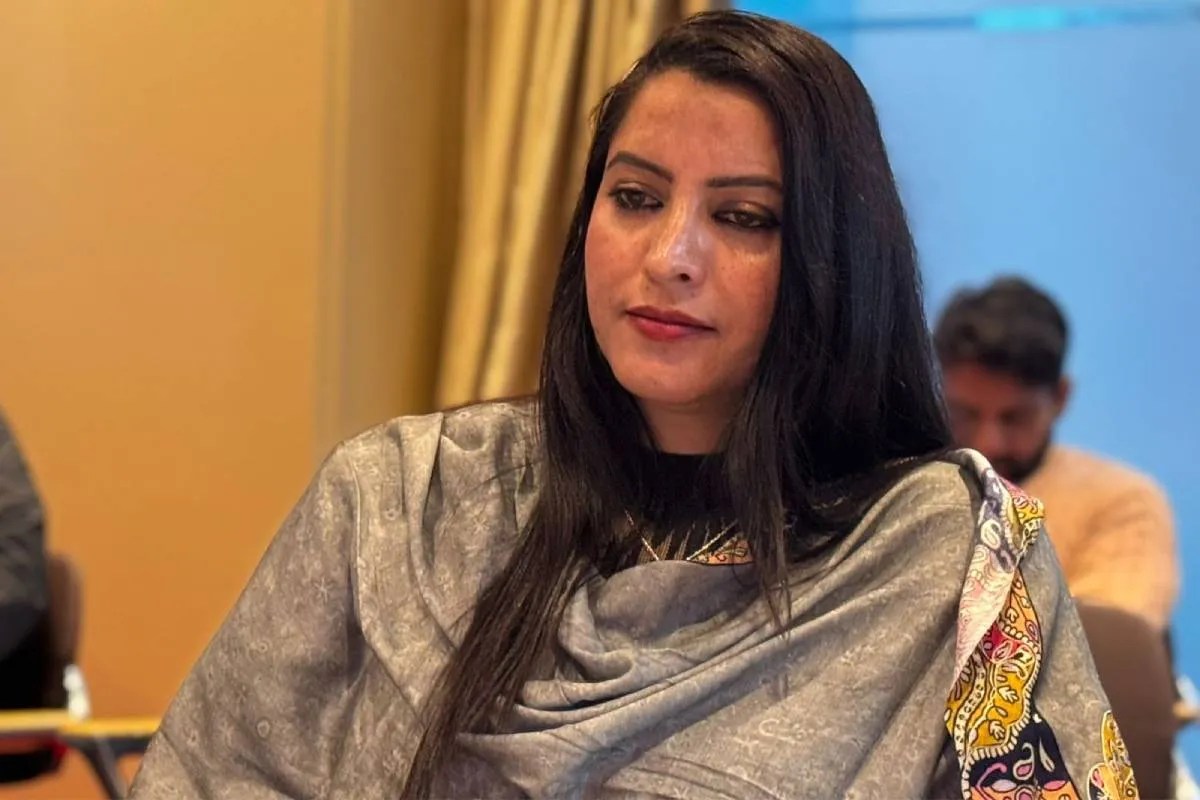
The Pakistani state is running a familiar script in Pakistan-Administered Kashmir, known locally as Azad Jammu and Kashmir. Confronted by widespread civil unrest over soaring inflation, punitive electricity bills, and a systemic denial of local rights, Islamabad responded by cutting the digital lifeblood of the region. Activists like Taslima Akhtar have publicly called out this digital iron curtain, rightly noting that shutting down the internet cannot hide systemic state oppression. But the current crisis runs far deeper than a heavy-handed response to street protests. It represents a fundamental breakdown of the financial and political arrangements that have bound the region to Islamabad for decades.
For months, the Jammu Kashmir Joint Awami Action Committee has spearheaded a massive civil disobedience campaign. What began as a localized boycott against inflated power tariffs quickly morphed into a mass movement demanding subsidized wheat, fair electricity pricing from local hydroelectric projects, and an end to the elite privileges enjoyed by federal bureaucrats. When the state sent in the Rangers—a paramilitary force—to quell the dissent, the streets exploded.
Then came the digital blackout.
The Infrastructure of Information Control
The tactical shutdown of mobile internet and broadband services is not an isolated security measure. It is a calculated administrative tool. By cutting off WhatsApp, X, and Facebook, the state disrupts the organizational logistics of protest leaders. It stops them from coordinate assembly points, documenting police excesses, and sharing real-time updates with the global diaspora.
But the economic fallout of these shutdowns hits ordinary citizens the hardest. In a region heavily reliant on remittances and local digital commerce, a week without internet paralyzes small businesses, halts banking transactions, and disrupts online education. The state treats these collateral damages as acceptable losses in its bid to maintain absolute narrative control.
The official justification invariably revolves around national security, the prevention of rumor-mongering, and the maintenance of public order. This argument is hollow. The real target is not misinformation, but the raw, unedited footage of state violence reaching the mainstream Pakistani public and international human rights observers.
The Hydroelectric Colonialism Paradox
To understand why the region is burning, one must look at the energy flow. The territory houses major hydroelectric projects, including the Mangla Dam and the Neelum-Jhelum complex. These installations generate thousands of megawatts of cheap, clean electricity that feeds directly into Pakistan’s national grid.
Yet, the people living alongside these mega-dams face some of the highest power tariffs in the country. They are forced to buy back their own resources at inflated rates, loaded with federal taxes and fuel adjustment charges. It is an extractive relationship that locals increasingly describe as resource exploitation.
+-------------------+-----------------------------------+----------------------------------+
| Resource Factor   | Status for Federal Grid           | Reality for Local Consumers      |
+-------------------+-----------------------------------+----------------------------------+
| Electricity       | High-yield, low-cost hydro power  | Exorbitant tariffs, heavy taxes  |
| Wheat Subsidies   | Controlled by federal allocations | Chronic shortages, rising prices |
| Regional Autonomy | Nominally self-governing          | Controlled by Islamabad ministry |
+-------------------+-----------------------------------+----------------------------------+
This structural inequity creates a profound sense of alienation. The region generates the wealth, but the decisions—and the profits—are managed by the Kashmir Affairs Division in Islamabad, a bureaucratic entity largely unaccountable to the local population.
Activism Under Fire
The suppression of local voices follows a predictable pattern of intimidation. When local leaders or independent journalists attempt to report on the ground reality, they face immediate state pressure. Labeling dissenters as anti-state actors or foreign agents is the oldest trick in the bureaucratic playbook.
Taslima Akhtar’s public defiance highlights a growing shift in the resistance. Women and youth are now at the forefront of these economic protests, changing the traditional political dynamics of the region. They are no longer willing to accept the old geopolitical excuses. For decades, Islamabad told residents to tolerate economic hardships in the name of the broader geopolitical struggle over the divided region. That argument has run out of utility.
People want affordable bread. They want electricity they can afford. They want the basic rights promised by the constitution.
The Limits of Digital Erasure
An internet shutdown is a confession of weakness, not a demonstration of power. It signals that the state has lost the argument and has run out of political options.
When the network goes dark, it creates an information vacuum. Instead of stopping the flow of news, it guarantees that whatever information does escape through satellite links or delayed uploads is met with deeper international scrutiny. The diaspora network ensures that videos of paramilitary crackdowns find their way to human rights forums in London, New York, and Geneva within hours, rendering the domestic blackout ineffective on the global stage.
Furthermore, the strategy creates a dangerous pressure cooker effect. Without digital channels to vent grievances, organize peaceful rallies, or negotiate demands transparently, protests inevitably turn more desperate and volatile.
The Failure of the Subsidization Band-Aid
Every time the unrest reaches a boiling point, Islamabad follows a distinct pattern. A high-level committee is formed. A temporary financial package or subsidy is announced to lower wheat and power prices. The protests subside temporarily, and the underlying structural issues are ignored until the next flare-up.
This cycle is unsustainable. The Pakistani state is currently grappling with a severe macroeconomic crisis, operating under strict structural adjustment programs mandated by international lenders. The fiscal space to maintain artificial subsidies across disputed or administrative territories is shrinking rapidly.
The core issue is not a temporary price hike, but the constitutional ambiguity of the territory itself. The region exists in a legal limbo, possessing its own prime minister and president, yet lacking genuine legislative and financial autonomy. The local assembly has little say over the extraction of its natural resources or the allocation of federally collected revenues.
True stabilization requires a fundamental restructuring of the relationship between Islamabad and Muzaffarabad. The local government must be given real authority over its water resources, energy generation, and revenue collection. Relying on paramilitary forces to police local markets and turning off telecom towers every time the public demands accountability is a strategy of diminishing returns. The state cannot govern a territory by treating its population as a security threat to be managed rather than a citizenry to be served.