Twenty thousand people running for their lives changes your perspective on emergency preparedness fast.
Flames don't care about your evacuation plan. They move through dry timber with terrifying speed, fueled by shifting winds and bone-dry brush. Western Canada faces another brutal fire season, and the sheer scale of displacement proves we are still reacting instead of adapting.
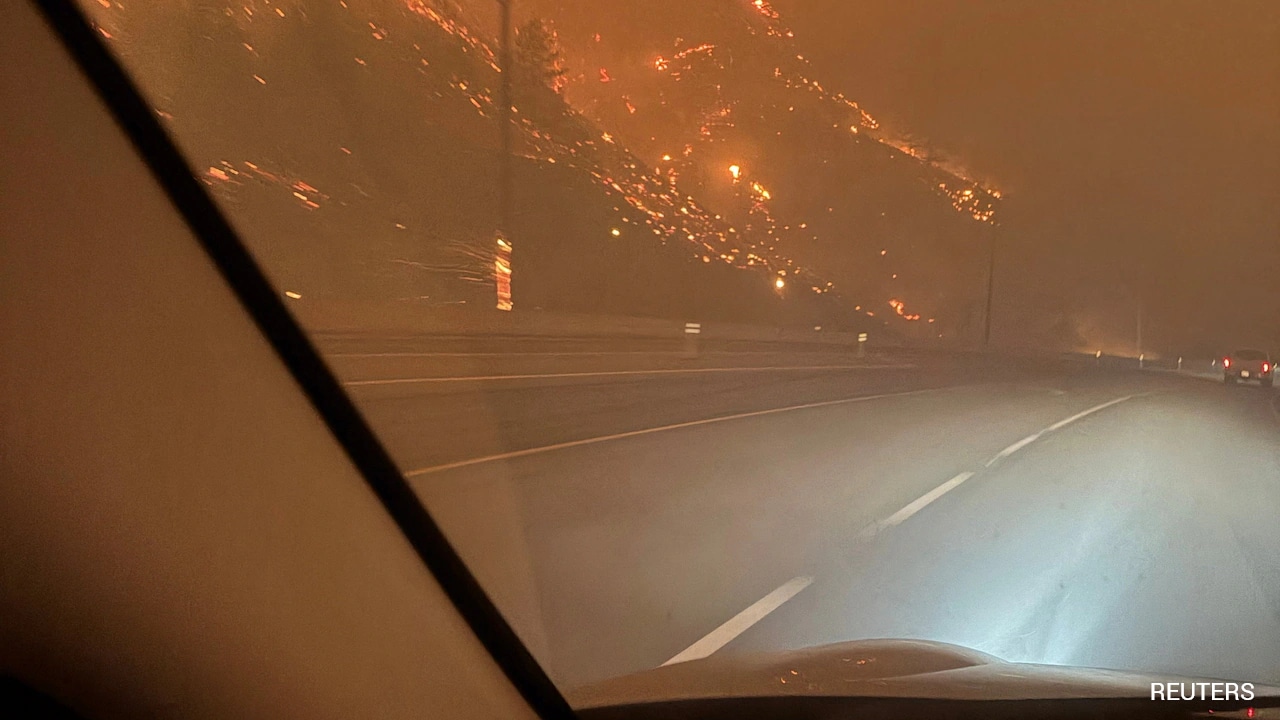
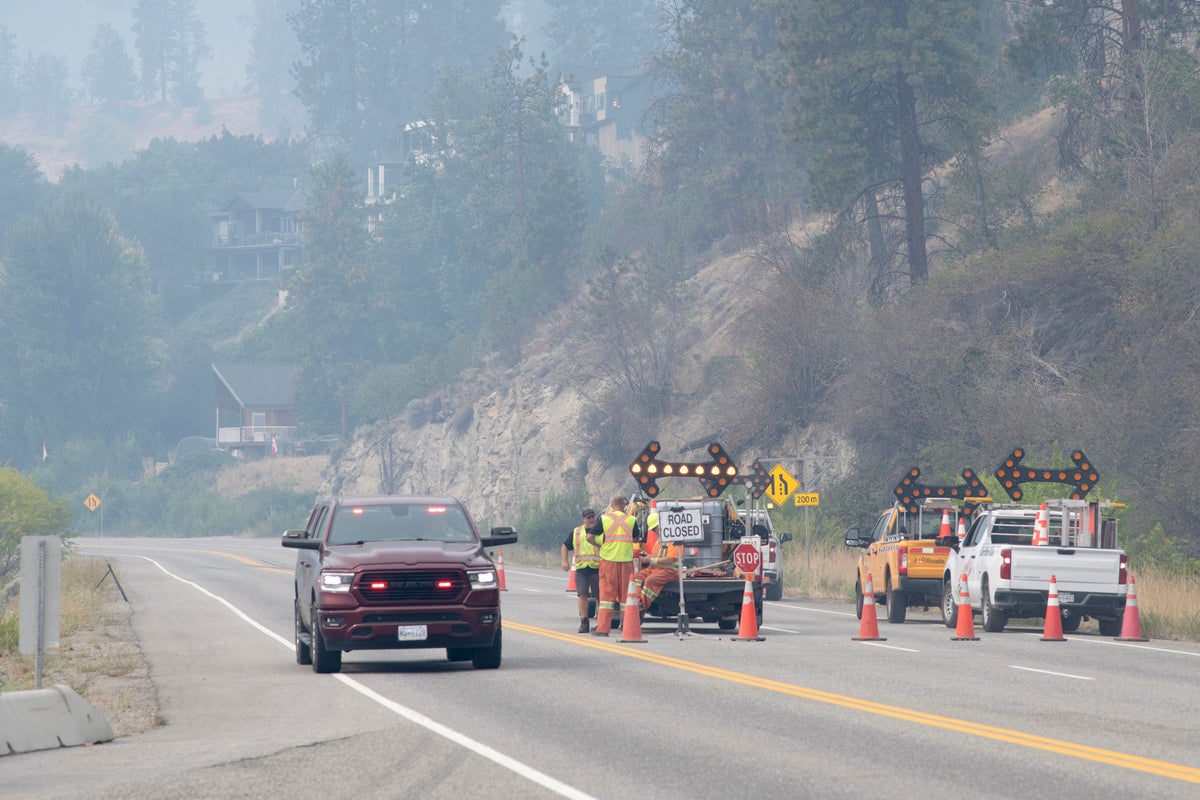
If you think this only impacts remote cabins, you're missing the big picture. Entire communities get cut off in hours. Highway lanes reverse. Smoke turns noon into midnight.
Let's look at what actually happens when a fast-moving wildfire hits and how you can protect yourself before the sirens start wailing.
The Reality on the Ground
Wildfires behave like living things. They spot embers miles ahead of the main front, creating new fires behind your back.
When authorities issue an evacuation order, hesitation kills. Residents often wait to pack photo albums or check social media. That delay traps cars on single-lane exit routes.
Smoke inhalation becomes an immediate danger long before flames touch your street. Visibility drops to zero. Power grids fail. Cell towers melt or get overloaded instantly, cutting off communication lines.
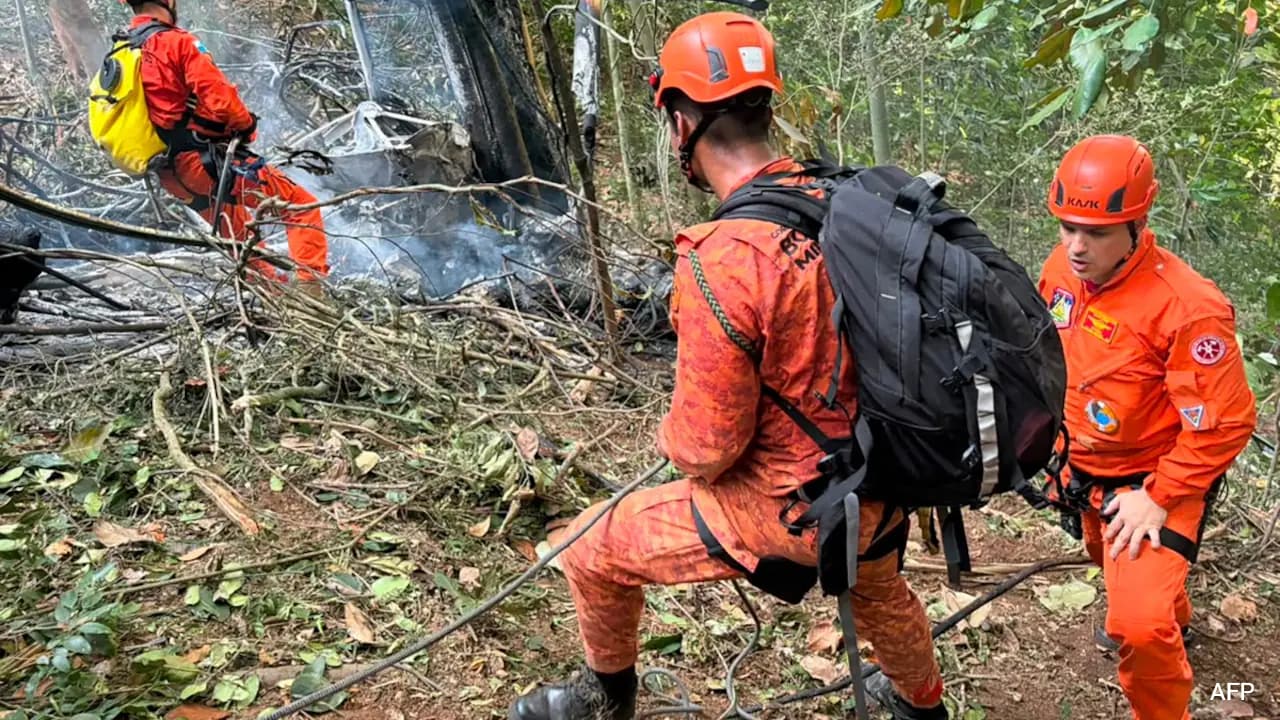
Emergency crews work miracles, but they cannot guard every home simultaneously. Wind direction shifts unpredictably. A ridge that looked safe an hour ago becomes a funnel of superheated gas.
Why Evacuations Fail So Often
Most people assume they have days to pack. Real life moves much faster.
Local governments struggle to mobilize transit for thousands of residents simultaneously. Bottlenecks form at highway junctions. Gas stations run out of fuel or lose power.
Panic makes bad drivers worse. Fender-benders block critical escape paths.
Preparation beats panic every single time. Here is what works:
- Keep your gas tank at least half full during peak fire season.
- Grab your Go-Bag within five minutes of an alert.
- Designate an out-of-town meeting spot with family members.
- Keep physical maps in your glove box because cell service will vanish.
Defensible Space Saves Homes
Firefighters cannot save every house. They prioritize structures with a fighting chance.
Embers blow for kilometers, landing on dry pine needles in your gutters or wooden patio furniture. You can drastically lower your risk through basic yard maintenance.
Clear dead brush within thirty meters of your foundation. Clean your roof gutters weekly during dry spells. Swap out wooden fencing attached directly to your house for non-combustible materials.
Insurance companies are starting to drop coverage for high-risk zones, making prevention a financial necessity, not just a safety precaution.
Pay attention to local fire bans. One careless campfire sparks a catastrophe that displaces tens of thousands. Check official provincial emergency channels daily, keep your bags packed, and take evacuation alerts seriously the moment they drop.