The European Union's latest trade penalties aren't just hitting companies inside Russia anymore. European Commission High Representative Kaja Kallas announced the formal proposal for the EU's 21st sanctions package, and the crosshairs have widened. Among the 50 third-country entities slapped with tight new export restrictions are firms based in China, Turkey, the UAE, and notably, India.
If you think this will suddenly force New Delhi to drop its long-standing economic partnership with Moscow, you're looking at the situation upside down.
Brussels claims it is chipping away at Russia’s war economy brick by brick. But by blacklisting private Indian trade intermediaries, the West is exposing the deep friction between its own regulatory architecture and India’s fiercely independent foreign policy. This isn't a simple case of corporate wrongdoing. It's a complex geopolitical chess match where the economic realities of global supply chains collide head-on with political idealism.
The Crackdown on India's Secondary Traders
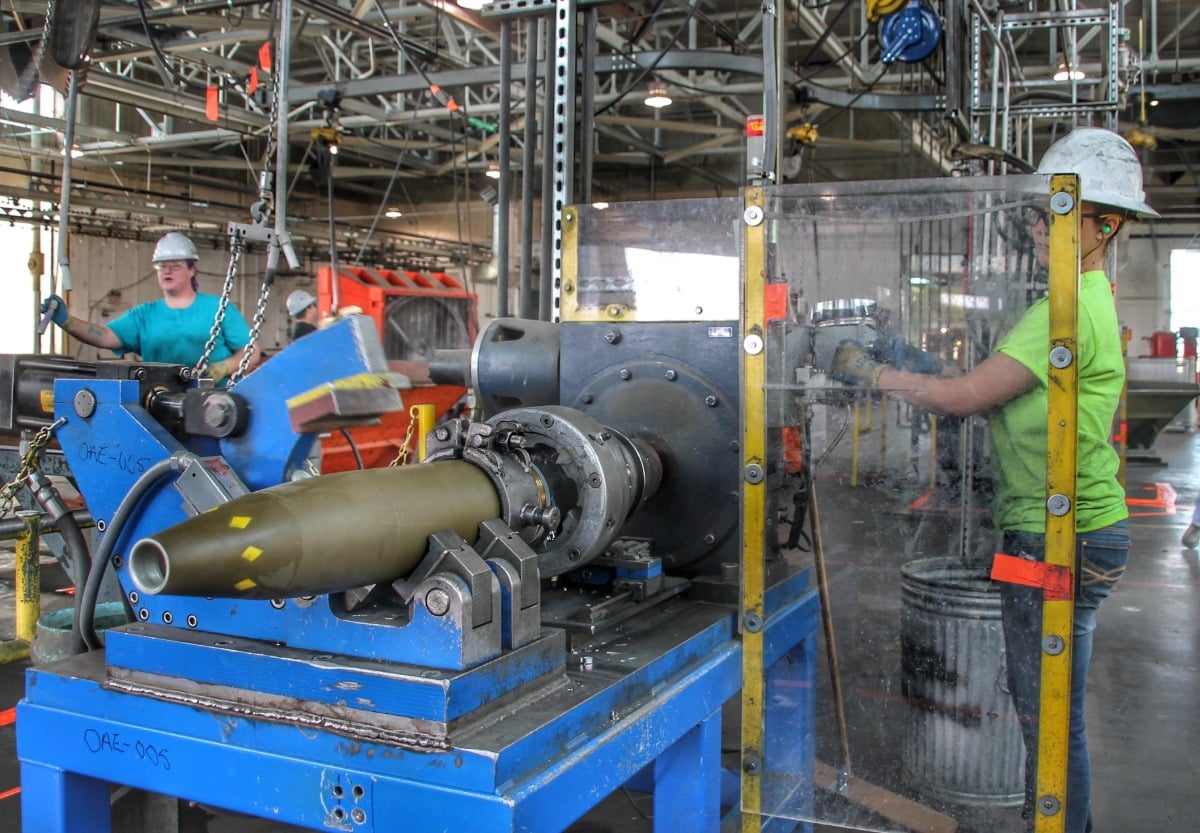
The latest regulatory offensive targets the critical plumbing of international commerce. Specifically, the EU is restricting the export of dual-use goods and advanced technologies. These aren't weapons in the traditional sense. They are everyday industrial components like microelectronics, drone parts, laboratory glassware, and high-precision computer numerical control (CNC) machine tools. The problem is that these items can easily end up in military hardware once they cross the Russian border.
This isn't the first time India has found itself in this uncomfortable spotlight. In previous regulatory updates, like the 19th sanctions package, the EU specifically blacklisted Indian aviation and electronics trading entities like Aerotrust Aviation, Ascend Aviation India, and Shree Enterprises.
The Western narrative is straightforward. They believe these firms are acting as dynamic transshipment hubs, helping Moscow bypass the strict direct trade blocks imposed by Washington and Brussels. By placing these businesses on high-risk lists, the EU effectively bars European manufacturers from supplying them with any sensitive tech.
But looking at the numbers reveals why this strategy is an uphill battle. The trade relationship between India and Russia has skyrocketed over the last few years, driven primarily by a massive appetite for discounted Russian crude oil. India’s imports from Russia reached record highs, transforming a historically modest economic relationship into a vital pillar of India's energy security. When billions of dollars flow through these corridors, smaller, private trading houses naturally emerge to facilitate the exchange of other goods.
Why New Delhi Refuses to Toe the Line
The biggest mistake Western policymakers make is assuming that a corporate blacklist will force a shift in Indian state policy. It won't. To understand why, you have to look at how New Delhi views its global position. India operates on the principle of strategic autonomy. It chooses its partners based on its own national interests, not the mandates of Western capitals.
Historically, Russia has been a dependable defense and geopolitical partner for India, dating back to the Cold War. While India has successfully diversified its defense acquisitions in recent years by buying more from France and the United States, it still relies on Moscow for spare parts, maintenance, and legacy military systems.
Moreover, the economic benefits of importing cheap Russian crude are simply too massive for any Indian government to ignore. It keeps domestic inflation in check and fuels a rapidly growing economy.
When Western officials complain about sanctions circumvention, Indian diplomats point out the blatant hypocrisy. European countries spent decades building an economic model dependent on cheap Russian gas. Even today, exceptions exist within the Western sanctions framework itself. For instance, the EU’s 20th sanctions package included a specific legal exemption to permit transactions involving Nayara Energy Limited, a major Indian refining company partially owned by Russian energy giant Rosneft, ensuring that critical global energy flows didn't completely fracture.
If the EU can build carve-outs to protect its own energy security, India feels completely justified doing the exact same thing.
The Compliance Nightmare for Global Business
For corporate compliance officers and international supply chain managers, this escalating regulatory environment is a minefield. You can no longer just check if your direct buyer is a sanctioned entity. You have to trace the ultimate end-use and destination of your products across multiple tiers of distribution.
If your company manufactures high-performance alloys, electronic components, or even specialized industrial lubricants, you now have to treat transactions in third-party hubs like Dubai, Istanbul, and Mumbai with extreme scrutiny. The risk of secondary sanctions is real. A single unverified customer in India could lead to your entire company being locked out of the European market.
This reality has triggered a quiet but intense scramble among Indian multinational corporations. Major conglomerates with significant commercial exposure in the US and Europe are aggressively auditing their supply chains. They don't want to lose access to Western capital markets or cutting-edge Western technology over a handful of rogue mid-tier transactions.
However, for smaller, agile trading firms that deal exclusively with non-Western markets, the EU's blacklist is barely a speed bump. They will simply change their corporate names, register new entities in different jurisdictions, and keep trading.
Moving Past the Sanctions Blindspot
The Western strategy of chasing down individual third-country trading firms is a game of regulatory whack-a-mole. Every time the EU or the US blacklists three firms in Mumbai or Delhi, five new ones pop up to take their place. The financial incentives to keep these supply corridors open are simply too powerful to be crushed by bureaucratic decrees from Brussels.
If you are running an international business, the path forward requires a pragmatic, risk-adjusted approach. Do not rely on basic corporate registry checks. Implement rigorous end-user verification protocols and explicitly require your distributors to sign non-re-export clauses. Focus your compliance efforts on high-risk categories like microelectronics and CNC machinery, where Western regulatory scrutiny is heaviest.
Ultimately, the friction between Western sanctions and India's economic reality isn't going away anytime soon. Expect New Delhi to maintain its delicate balancing act: cooperating with the West on technology and maritime security while quietly ensuring that its lucrative, strategic backchannel to Moscow remains wide open.
Ukraine War Fallout: EU Sanctions 3 Indian Firms For Alleged Russia Military Links
This broadcast provides crucial context on the specific types of dual-use goods and the exact Indian entities that the European Union has previously targeted in its escalating economic pressure campaign.